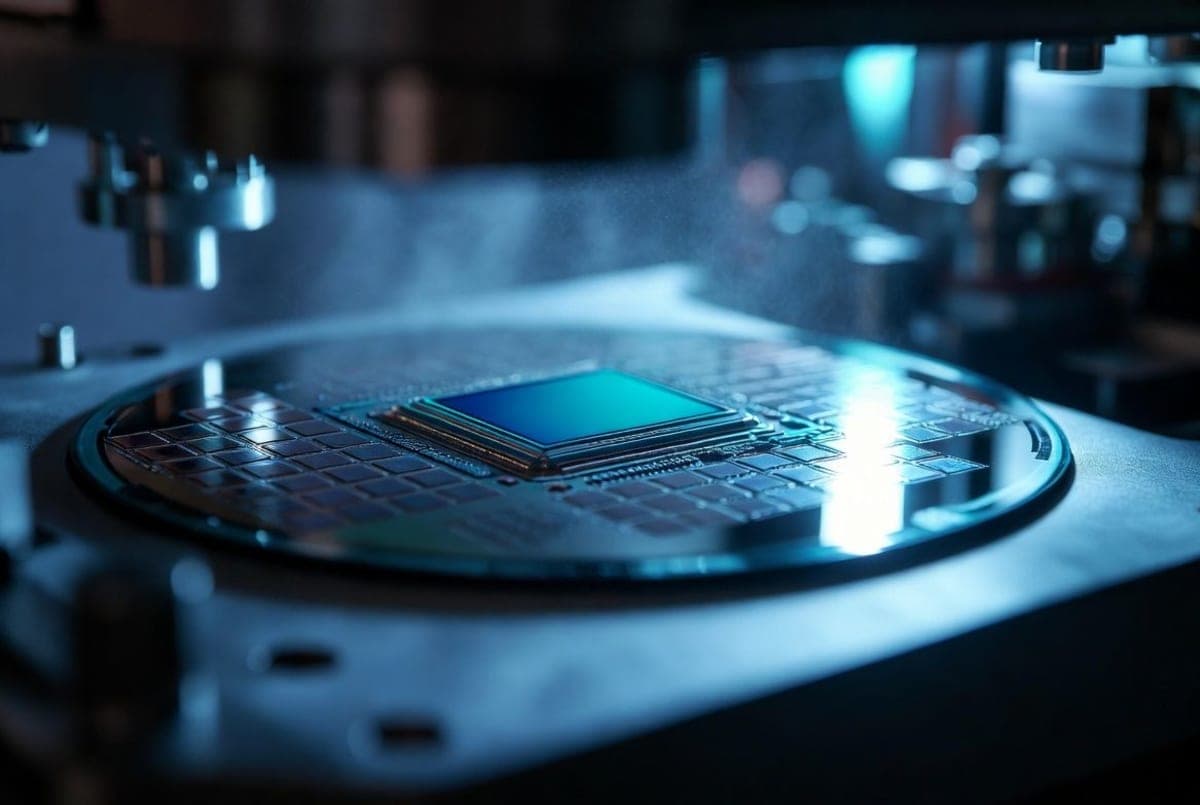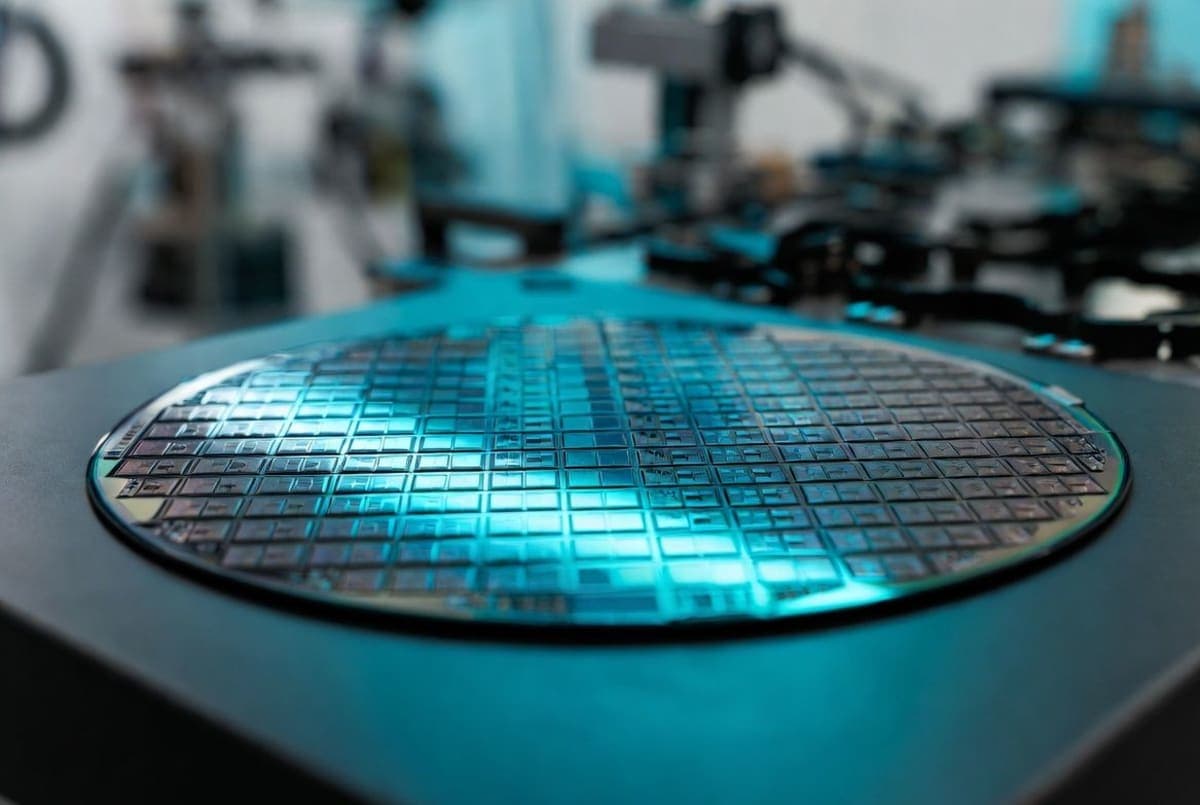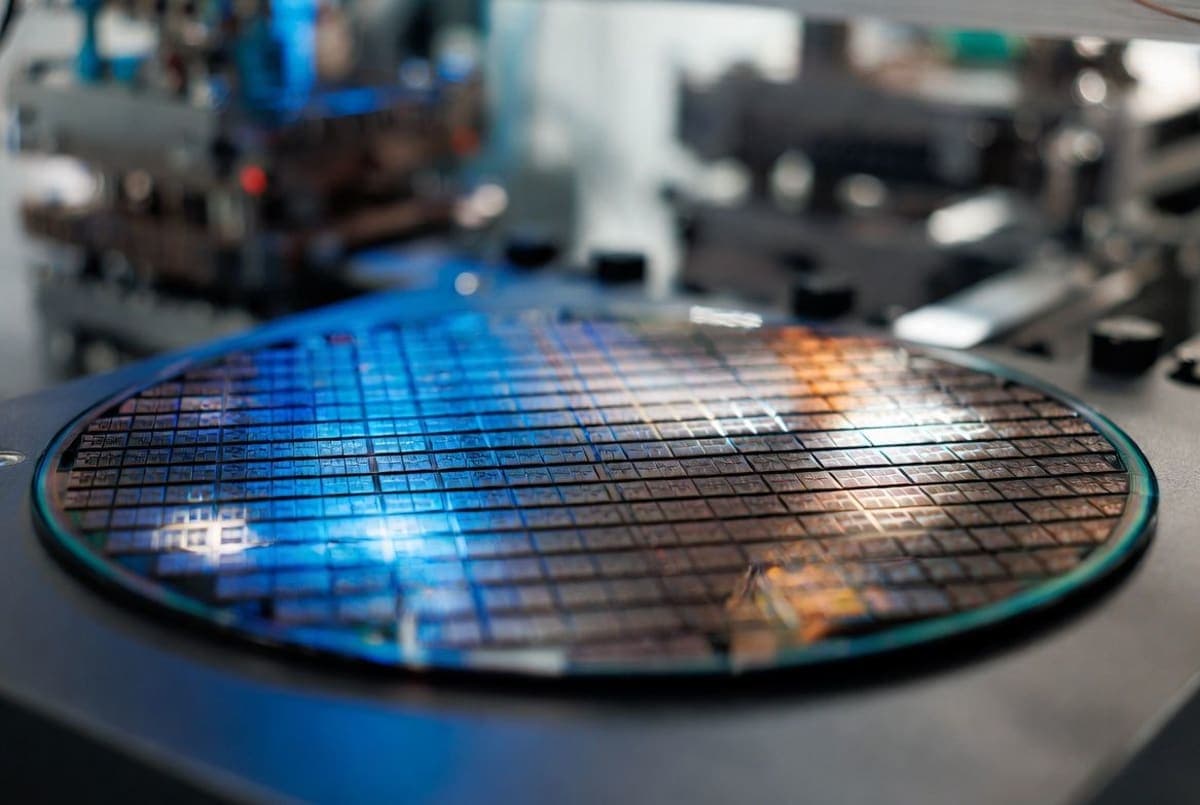
Google has placed a firm order for Intel to build more than three million of its Tensor Processing Units in 2028, according to The Information, which cited four people with direct knowledge of the talks. The deal lands after months of Google testing Intel's packaging, and it hands Intel's long-suffering foundry arm its biggest external validation yet.
For a unit that has bled money for years while chasing customers it couldn't name, this is the kind of win Lip-Bu Tan has been promising investors since he took over as CEO in early 2025.
Why now
The short version: TSMC can't keep up. The Taiwanese giant makes nearly every advanced AI accelerator on the market, and demand has outrun what its leading-edge wafer lines and advanced packaging can deliver. So even the companies most dependent on TSMC are quietly building escape routes, and the unlikely name on the shortlist is Intel.
Google's TPUs power its cloud and most of its AI services, and they're made today on TSMC processes through Broadcom. Splitting some of that volume to Intel does two things for Google at once: it loosens the TSMC chokehold and it scales TPU output at a moment when Google is leaning on its own silicon to cut reliance on Nvidia. Morgan Stanley figures Google's combined TPU production tops six million units across 2027 and 2028, so Intel's three-million slice is real money, not a pilot run.
Nvidia is looking, not buying
This is where the reporting needs a caveat the headlines mostly skipped. Nvidia has not committed to anything. It's running early trials, including multiproject wafer runs on Intel's 18A process, and testing whether Intel can fabricate a processor that fuses four graphics chips into one package, a design tied to its Feynman GPU architecture due in 2028.
Testing is not ordering. Nvidia has poked at Intel's 18A before and walked away, reportedly over yield concerns. The current trials may end the same way. Treating an evaluation as a vote of confidence is exactly the kind of optimism that's been inflating chip stocks lately, and Intel jumped more than 10% Monday on a report where only one of the two marquee customers has actually signed.
The pattern
Still, Google isn't the only name circling Intel's fabs. In April, Elon Musk said on Tesla's Q1 earnings call that the company would use Intel's next-generation 14A process for its planned Terafab complex in Austin, making Tesla the first major customer for that node.
Musk's framing was telling. "By the time TeraFab scales up, 14A will be probably fairly mature or ready for prime time," he said, which is a polite way of admitting the process isn't finished. Terafab's own timeline, funding, and operator remain murky, and a filing later pegged its potential cost as high as $119 billion. Whether that fab produces anything on schedule is anyone's guess.
What the Tesla and Google deals share is the thing Tan needed most. He warned last year that Intel could exit chip manufacturing entirely if it couldn't land an outside buyer. Two now exist, at least on paper.
What to watch
The Google order is slated for 2028 production, so there's a long runway between a reported contract and chips coming off a line. The nearer-term tell is Nvidia: if those 18A wafer trials convert into a real Feynman order, Intel's foundry pitch stops being a slide deck. If they don't, three million Google TPUs in 2028 will have to carry the story alone.