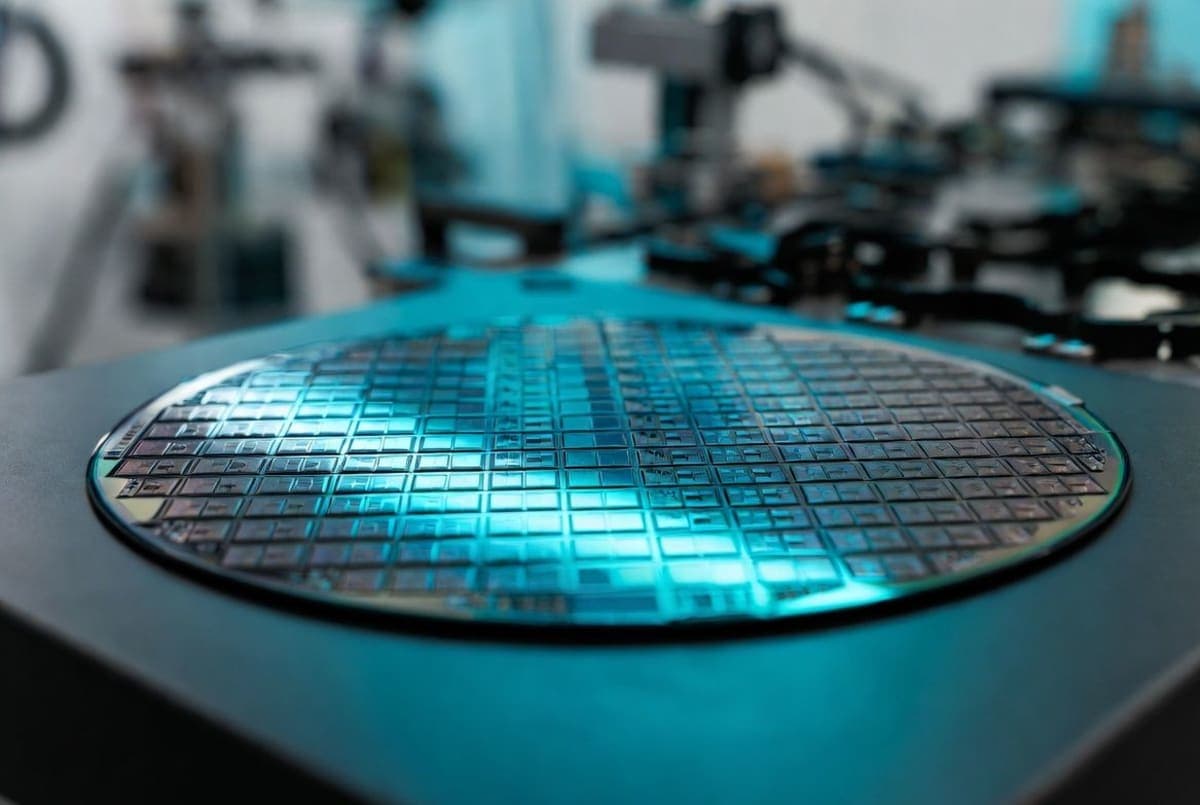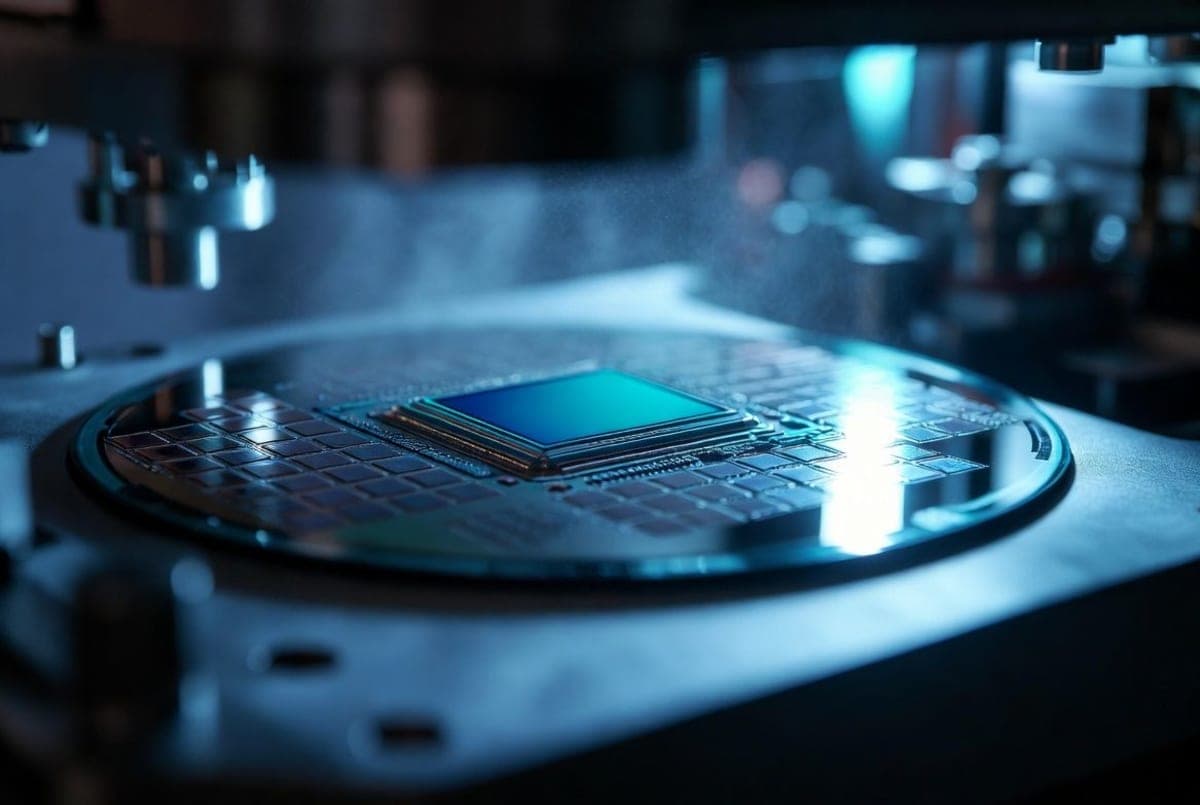
DeepSeek is designing its own AI chip, three people told Reuters in a report published July 7. The Hangzhou lab is building a processor aimed only at inference, the part of AI where a trained model actually answers your questions, not the compute-heavy work of training the model in the first place. The point is to lean less on Nvidia and Huawei, the two suppliers it currently depends on.
Why inference, and not training
Because that is the part DeepSeek can plausibly win. Training is where Nvidia's lead is widest and where China's manufacturing limits bite hardest under US export controls. Inference is more forgiving on the process node, more sensitive to the cost of serving each query, and it is the workload DeepSeek runs at scale for real users every day. If you are going to bet on one chip project inside a Chinese lab, this is the one that pays back soonest.
The economics back the choice. Industry estimates now put roughly 70 percent of AI compute demand on the inference side rather than training, which is exactly where a purpose-built part earns its keep.
Still very early
Nobody should confuse this with a finished chip. The sources say the effort began about a year ago and remains at an early stage, with DeepSeek reaching out to chip-design firms, foundries and memory suppliers. It has also expanded its hiring of chip-design engineers in recent months, though the recruitment has run through private channels rather than public job postings, according to two of the sources. Read the whole thing at two speeds: the strategic logic is clear, the sourcing is anonymous, so the specifics are reported rather than settled. DeepSeek did not respond to Reuters' request for comment, which is on brand for a company founded by Liang Wenfeng that says almost nothing in public.
The manufacturing problem is the one that does not go away. The reported fab is SMIC, China's largest foundry, which has been cut off from the most advanced tools and is widely reported to be stuck on a 7-nanometre process several generations behind the leading edge. US curbs have also throttled China's access to high-bandwidth memory, a component you cannot really build a competitive inference chip without. So even a clean design runs into a wall on yields and supply.
The company it keeps
DeepSeek is late to a party that OpenAI and Anthropic already crashed. OpenAI last month unveiled Jalapeno, its first custom inference chip built with Broadcom, and Reuters reported in April that Anthropic has been weighing chips of its own. Alibaba and Baidu are building their own accelerators too, and that pressure is already chipping at Huawei, which holds roughly half of China's $50 billion domestic AI chip market.
One analyst was blunt about the ceiling.
"Nvidia is at zero in China and staying there. DeepSeek has almost no chance of selling silicon outside of China unless it gets access to leading edge manufacturing."
That is Richard Windsor of Radio Free Mobile, and he is right that the export-control math caps how far this can travel, even if a working chip materializes.
The timing is not random. DeepSeek is chasing its first outside funding round, reportedly seeking about $7 billion at a valuation between $52 billion and $59 billion, a reversal of its years-long refusal to take external capital. Chip projects burn cash, and that round would help pay for one. What comes next is a question of proof: a design is not a working chip, and a working chip is not a shipping product. Watch which foundry actually gets the tapeout, because that is where the export controls bite.