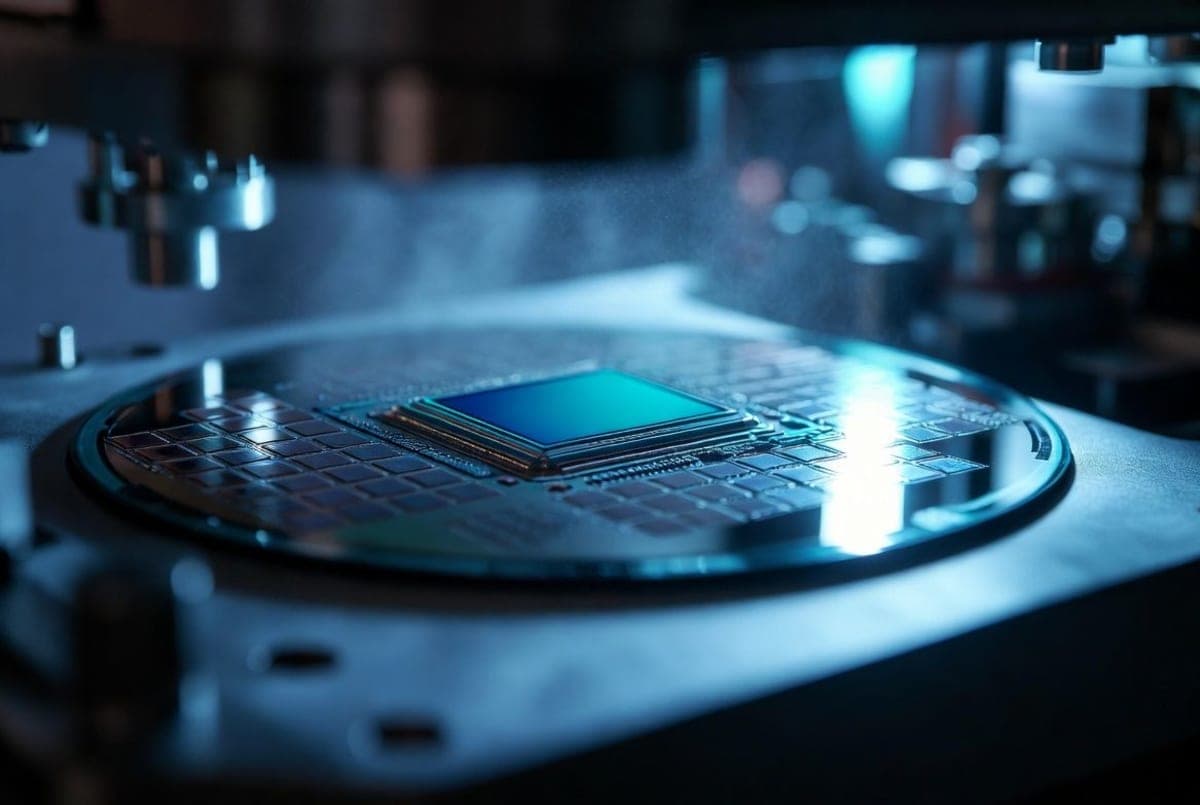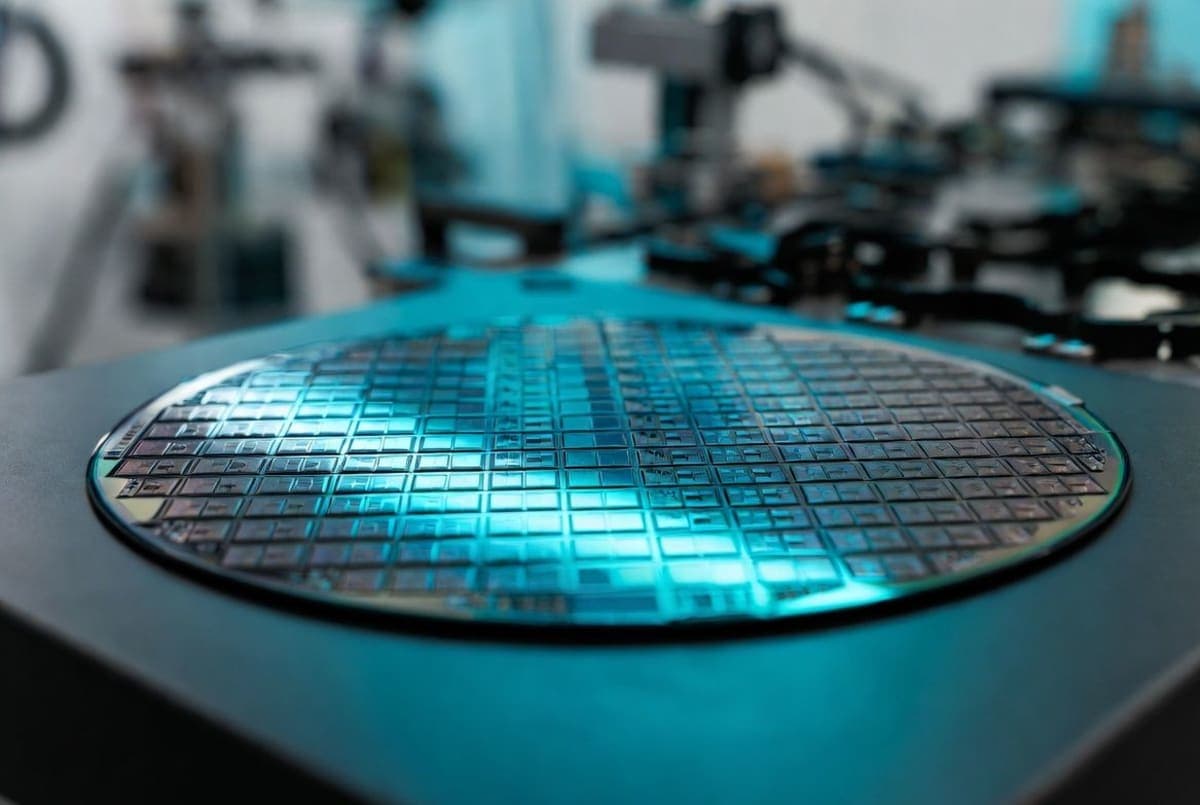
Anthropic has started work on its own AI chip and held early talks with Samsung Electronics about building it, The Information reported this week. The conversations center on Samsung's 2-nanometer process and its advanced packaging plants. Nobody has settled on what the chip does, how powerful it is, or how it fits into a server.
How early is early
Very. Three people familiar with the matter told the outlet Anthropic is still sketching specs, power budgets, and cluster layouts. No design. No prototype. No timeline. And a real chance the whole thing gets shelved before anything reaches a fab.
So what's the actual signal here? A hire. Anthropic brought on Clive Chan, an early member of OpenAI's custom silicon team, as part of building out an internal hardware group. That's a genuine tell. You don't poach a chip engineer for a project you plan to abandon. But one hire and some exploratory calls is a long way from taped-out silicon, and it's worth keeping the enthusiasm in check.
Why Samsung and not TSMC
Samsung isn't a random name in the hat. It put money into Anthropic's $65 billion Series H round earlier this year, alongside SK Hynix and Micron. Here's the difference that matters: SK Hynix and Micron make memory. Samsung's foundry division actually fabricates other companies' chip designs. It's the only investor in that round that could plausibly build the thing.
There's a timing wrinkle too. Samsung had reportedly been developing a custom inference chip for OpenAI before those talks stalled around early June over what Korean media framed as strategic differences. If the 2nm capacity once pointed at OpenAI swings toward Anthropic, that's a tidy second act for Samsung's foundry ambitions.
The catch is yield. Samsung has a documented history of weaker output at leading-edge nodes than TSMC, a gap analysts keep flagging every time Samsung chases a marquee client. Winning Anthropic would look great on paper. Delivering working chips at volume is the harder half of the sentence.
The money math
The pitch for custom inference silicon is blunt. Running Claude for millions of users on Nvidia GPUs costs a fortune, and those GPUs carry overhead you don't need if your one job is transformer inference. Build a chip that does only that, and every transistor earns its keep.
How much does it save? OpenAI's Jalapeño chip, shown off in late June, reportedly hit roughly 50% cost savings versus standard GPU inference in early testing. That's OpenAI's number, on OpenAI's chip, in early testing, so treat it as directional rather than gospel. Still, it's the reason every large lab is chasing the same thing. Google, Amazon, Meta, and Microsoft all build their own silicon already.
Anthropic was careful to say none of this replaces its current partners. AWS Trainium, Google TPUs, and Nvidia GPUs stay central, and the company is reportedly also poking at chips from Microsoft and UK startup Fractile. Read that as a hedge, not a breakup with Nvidia, which still holds an estimated 74% of the AI chip market by The Information's own count.
The next real signal is whether these talks produce a foundry agreement, or quietly evaporate the way the Samsung-OpenAI project reportedly did.