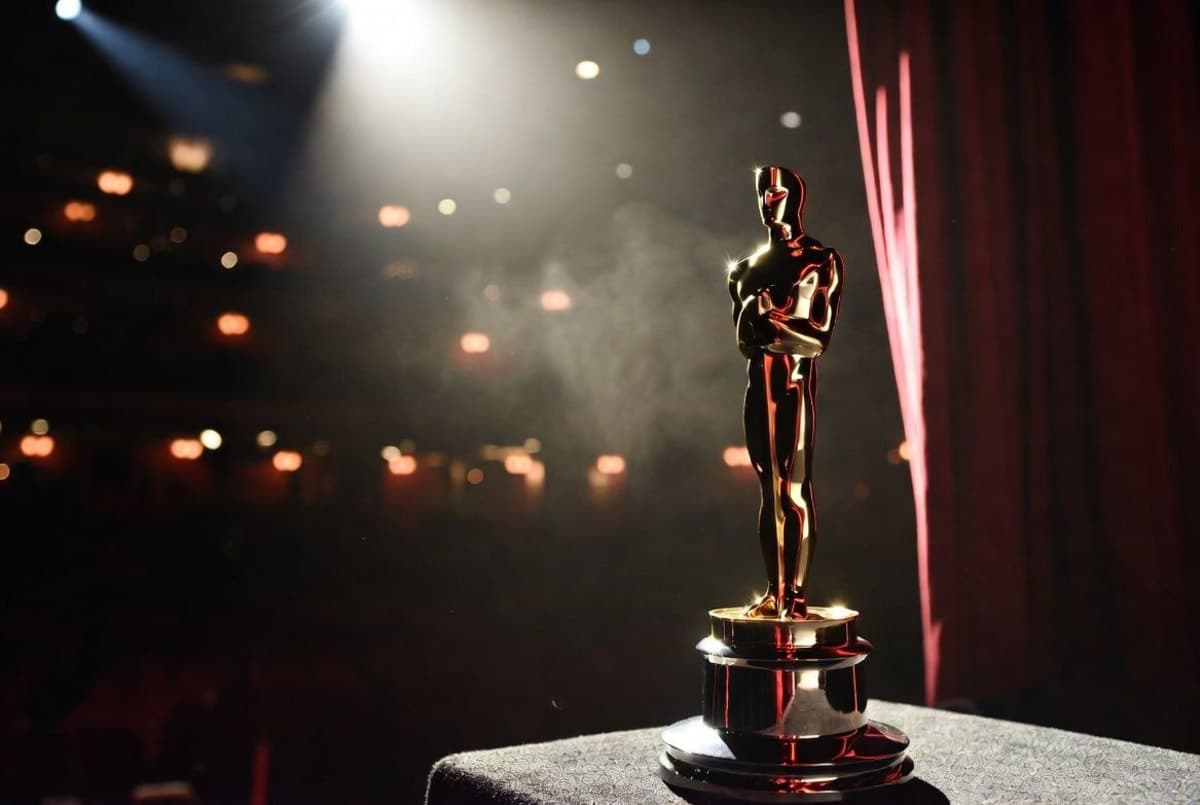
The Academy of Motion Picture Arts and Sciences has tightened its rules around artificial intelligence for the 99th Oscars. For acting nominations, only roles "demonstrably performed by humans with their consent" qualify, and screenplays must be "human-authored." The new rules cover films released between January 1 and December 31, 2026, with the ceremony scheduled for March 14, 2027.
The Tilly Norwood part
Nobody at the Academy will say Tilly Norwood out loud. The press release is careful that way. But the timing is hard to miss.
Particle6, the London production company behind the AI "actress," put out a music video in March titled "Take the Lead." The caption that accompanied it: "Can't wait to go to the Oscars!" Particle6 founder Eline Van der Velden had told reporters she wanted Norwood to be "the next Scarlett Johansson or Natalie Portman," a claim that aged about as well as you'd expect once SAG-AFTRA weighed in last fall.
The union's response was blunt. "It has no life experience to draw from, no emotion," it said, calling Norwood a character "trained on the work of countless professional performers without permission or compensation." Hollywood agreed loudly. Toni Collette, Emily Blunt, Whoopi Goldberg. Ryan Reynolds did a Mint Mobile ad mocking the whole thing. The agencies reportedly circling Norwood backed off.
The wiggle room
The Academy didn't ban AI from filmmaking. It can't, really. CGI has been doing AI-adjacent things for years, and last year's "The Brutalist" caught flak for using AI to clean up Hungarian dialogue while actors still got nominated.
What the rules actually say: generative AI "neither help nor harm the chances of achieving a nomination." The Academy will judge each submission on "the degree to which a human was at the heart of the creative authorship," and reserves the right to ask follow-up questions about how the work was made. Translation: you can use the tools, but a producer is going to get a phone call if a screenplay looks like it came out of a chatbot.
That's a softer line than the headlines suggest. AI editing, AI-assisted visual effects, AI in post-production: all still fair game. What's blocked is having a synthetic person walk away with a statuette.
Other things buried in the press release
A few more changes worth flagging. Actors can now receive multiple nominations in the same category if their performances each place in the top five votes, ending the long-running practice of campaign teams pushing one performance into "supporting" to dodge a vote split. The Casting category gets up to three statuettes instead of two. Cinematography's preliminary shortlist expands to a flat 20 films, replacing the old 10-to-20 range.
Submissions for general entry categories open September 17, 2026. The ceremony airs on ABC on March 14, 2027.
Particle6 hasn't issued a public response to the AI rule. Norwood's "official AI acting debut" is still scheduled for later this year, per the company's March announcement. Whichever film she ends up in, it won't be eligible for an acting nomination.