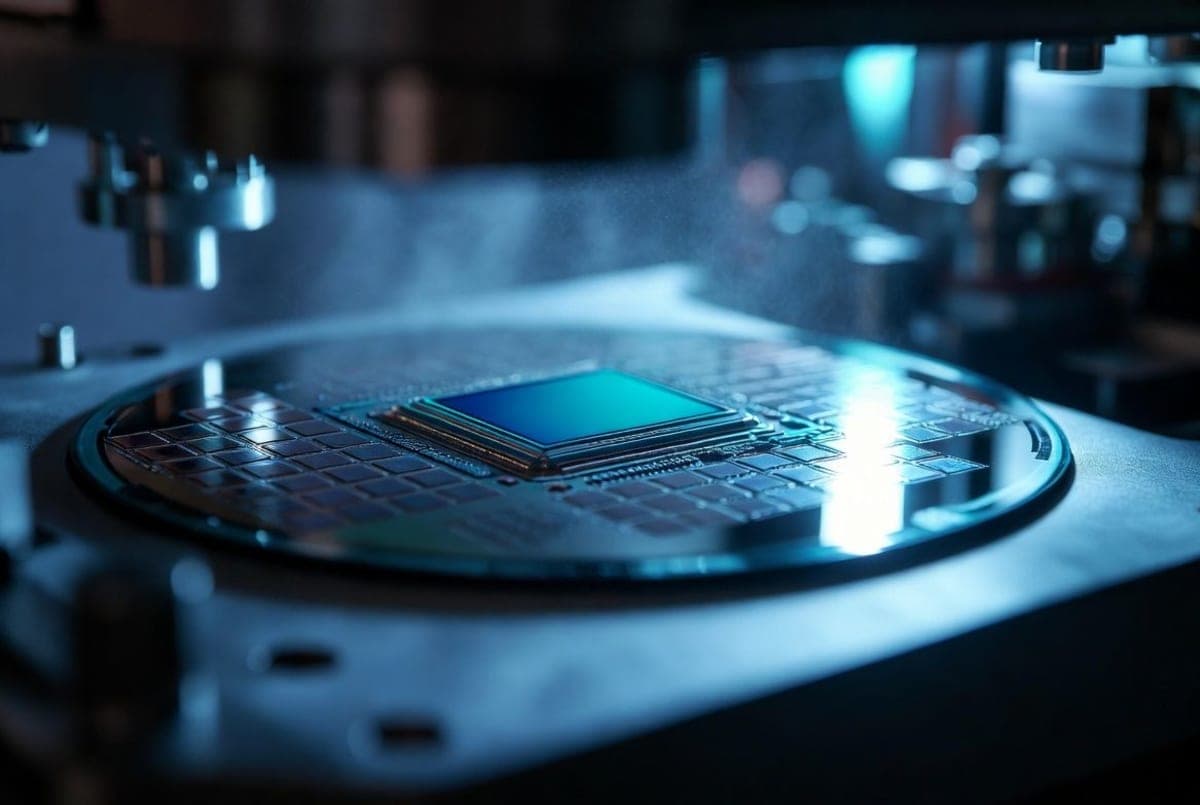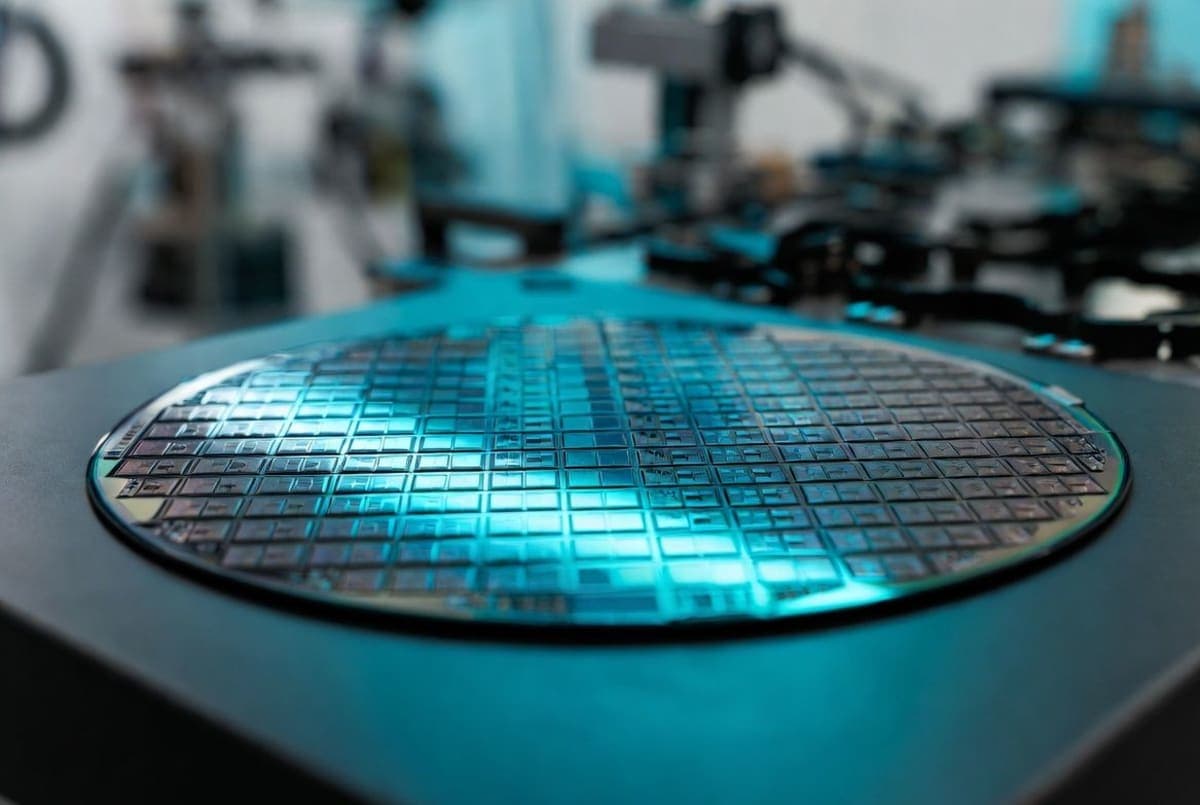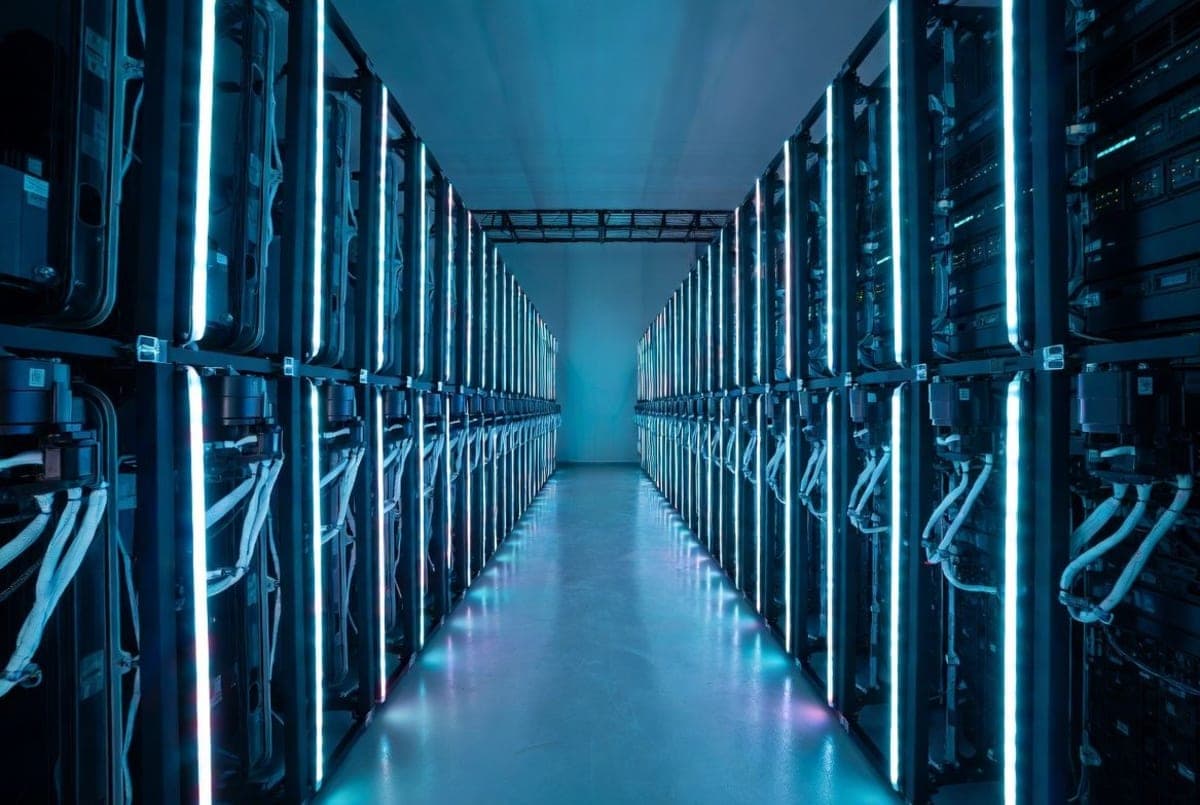
Nvidia confirmed on December 10 that it is building software capable of determining which country its AI graphics processing units are operating in. The tool, which the company has demonstrated privately but not yet released, measures communication delays between customer systems and Nvidia-run servers to approximate geographic location with accuracy comparable to standard internet geolocation services, according to a Reuters report citing an Nvidia official.
How the Location Verification Works
The system relies on GPU telemetry and what Nvidia calls "confidential computing capabilities" built into its processors. When customers install the optional software agent, it communicates with Nvidia's servers and uses the time delay in those communications to infer location. The mechanism functions similarly to a network ping: the software sends data packets to Nvidia servers, measures latency for each connection, and compares response times against a database of expected latency profiles for different regions.
Nvidia published a blog post the day after the Reuters report, describing the software as a fleet management tool for data center operators. The company said operators will be able to "visualize their GPU fleet utilization in a dashboard, globally or by compute zones." The client tooling agent will be open-sourced, Nvidia added, allowing security researchers to examine its code.
The company was emphatic about what the software cannot do. "There is no feature within Nvidia GPUs that allow Nvidia or a remote actor to disable the Nvidia GPU," the company stated. "There is no kill switch." The telemetry data sent to Nvidia servers is read-only, meaning Nvidia's servers cannot write data back to the chip or modify its operation.
Blackwell First, Older Chips Under Review
Nvidia plans to make the location feature available first on its Blackwell chips, which have more advanced security features for a cryptographic process called attestation than previous generations. An Nvidia official told Reuters the company is examining options to extend the capability to its older Hopper and Ampere architectures, though those chips have fewer attestation capabilities.
The location verification precision appears limited. The Register characterized the mechanism as "essentially the equivalent of running a ping and comparing the response time to a lookup table to see whether it's within the expected range." Tom's Hardware noted that standard IP geolocation has weaknesses, particularly in remote rural areas where many of China's AI data centers are located, where Wi-Fi positioning may not function reliably.
The Smuggling Cases Driving Washington's Demands
The software arrives as the US Department of Justice prosecutes multiple smuggling operations that allegedly moved restricted Nvidia chips into China. On December 9, the DOJ announced it had shut down a network that trafficked or attempted to traffic over $160 million worth of Nvidia H100 and H200 GPUs.
According to court documents, Alan Hao Hsu and his Houston company, Hao Global, pleaded guilty on October 10 to smuggling and unlawful export activities. Between October 2024 and May 2025, Hsu and associates exported or attempted to export at least $160 million in export-controlled processors. Investigators traced over $50 million in wire transfers from China to help finance the operation. Workers at US warehouses allegedly removed Nvidia labels and replaced them with tags referencing a fake company called "SANDKYAN" before shipping the chips to China and Hong Kong.
Two additional men were detained: Fanyue Gong, a Chinese citizen residing in Brooklyn, and Benlin Yuan, a Canadian citizen from Ontario who serves as CEO of a US subsidiary of a Beijing-headquartered IT company. Both face conspiracy charges. Hsu faces up to 10 years in prison at his February 18 sentencing; Yuan faces up to 20 years if convicted.
Congress Pushes Mandatory Tracking
Senator Tom Cotton (R-AR) and a bipartisan group of lawmakers introduced the Chip Security Act in May 2025. The bill would direct the Commerce Department to require a "location verification mechanism" on export-controlled advanced chips within six months of enactment. Exporters would be required to report to the Bureau of Industry and Security if their products are diverted from intended destinations or tampered with.
The House Select Committee on China has championed the legislation, citing its DeepSeek report showing that US chips were potentially funneled to China through shell companies. Representative Bill Foster (D-IL), who holds a PhD in physics and describes himself as "Congress' chip designer," co-sponsored the House version: "With advanced AI chips being smuggled into China and posing a national security risk, Congress must act."
The bill has critics. The Center for Cybersecurity Policy argues that requiring location-verification capabilities could create new vulnerabilities that compromise the systems the chips power. The center warned that even slightly degraded chip performance from additional tracking components could slow frontier AI development, and that cybersecurity concerns could make US chips less appealing on global markets.
Beijing's Countermove
China's Cyberspace Administration summoned Nvidia representatives in late July to address what it called "serious security issues" with the H20 chip, a processor Nvidia designed specifically for the Chinese market to comply with US export restrictions. The regulator demanded explanations about potential tracking and remote shutdown functions, citing US lawmakers' calls for location verification in exported chips.
Nvidia denied having backdoors. "Cybersecurity is critically important to us. Nvidia does not have 'backdoors' in our chips that would give anyone a remote way to access or control them," the company said in response. The People's Daily dismissed this response as insufficient, writing that "the company can only alleviate the concerns of Chinese users and restore market trust by providing convincing security evidence."
The tension puts Nvidia in a difficult position. The company recorded a $4.5 billion writedown on unsold H20 inventory in May after export restrictions and said sales in its last financial quarter would have been $2.5 billion higher without the curbs. CEO Jensen Huang announced expected resumption of H20 chip sales during a Beijing visit shortly after meeting with President Trump. Yet the day the DOJ announced the smuggling prosecution, Trump also announced that Nvidia would be allowed to sell H200 chips to "approved customers" in China with a 25% fee attached.
Whether data center operators will adopt the optional tracking software remains unclear. Nvidia is offering a useful fleet management tool bundled with location verification that serves Washington's compliance goals. Chinese regulators are watching to see if the same tool could function as surveillance infrastructure. The Chip Security Act, if passed, would make such capabilities mandatory within six months. Nvidia's next Blackwell chip shipments will determine whether customers consider the trade-off acceptable.