The White House has quietly approved a secret $9 billion request to buy advanced AI chips for the National Security Agency and the CIA, and in the same stretch cleared the NSA to keep using Anthropic's Claude even though the Pentagon spent the spring trying to ban the company. The New York Times first reported the funding last week, citing current and former U.S. officials.
Two problems, one workaround
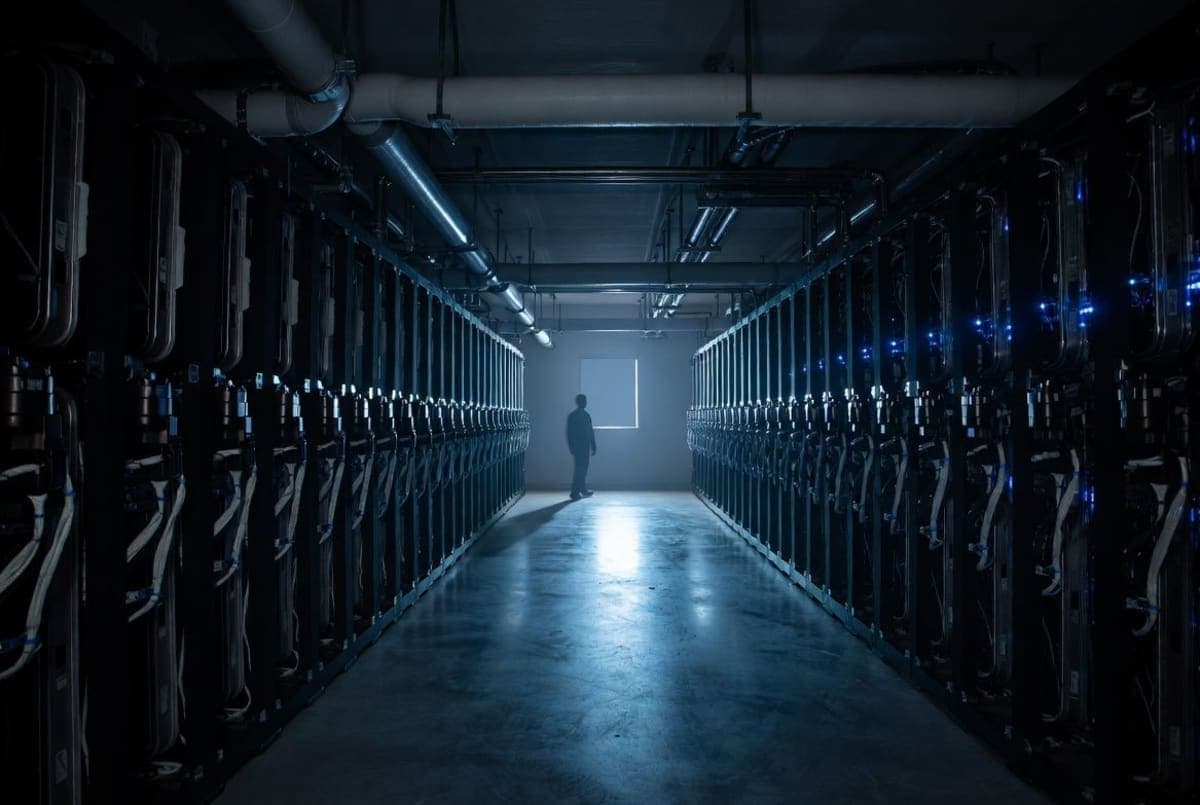
Most of the money targets Nvidia's Grace Blackwell hardware, the superchips the newest frontier models need and that almost nobody can get enough of. Spy agencies have it worse than most. Their classified networks never touch the public internet, so they cannot rent capacity from a cloud provider. They build the data centers themselves, with the heavy power draw and liquid cooling Blackwell demands.
Congress still has to sign off on the $9 billion. In the meantime the administration is reprogramming $800 million to buy compute faster, which tells you how urgent officials think this is.
"Our intelligence community needs the frontier," said Vinh Nguyen, a former chief data scientist at the NSA now at the Council on Foreign Relations, before reeling off chips, models, systems and talent "on a timeline that matches the threat." Standard urgency from a former insider, though the emergency $800 million suggests the building agrees with him.
The company the Pentagon tried to blacklist
Here is the awkward part. Back in March the Pentagon designated Anthropic a supply chain risk, a label usually reserved for firms tied to foreign adversaries, after weeks of fighting over usage limits. Anthropic sued the Pentagon, and President Trump ordered every federal agency to stop using its products. Now White House chief of staff Susie Wiles has authorized the NSA to keep using an advanced Anthropic model anyway, because nothing else runs on the hardware the agency already owns.
So the government's own security designation and its spy agencies are pulling opposite directions on the same company.
What the contract actually restricts
One phrase set off the whole fight. The Pentagon wanted to use Anthropic's models for "any lawful use." Anthropic refused, drawing a line at mass domestic surveillance and fully autonomous weapons. NBC News reported those guardrails as the heart of the standoff when Defense Secretary Pete Hegseth first moved against the company.
That NSA contract drops the "any lawful use" language. It adds a carve-out barring the model from running on Americans' data, and officials want it to become the template for deals with other AI firms. OpenAI is next; its existing Pentagon contract does not cover the NSA, and intelligence officials hope the Anthropic deal clears a path.
Whether that carve-out means much is a fair question. A Time analysis of the earlier dispute noted that limits like these have leaned on slippery words such as "deliberate," and that the legal theories letting agencies buy Americans' data assume the collection is incidental. The NSA and CIA are already barred by law from domestic spying, so promising not to do it is less of a concession than it sounds.
Congress votes on the $9 billion next. The Anthropic contract is still being finalized, with the OpenAI talks waiting behind it.