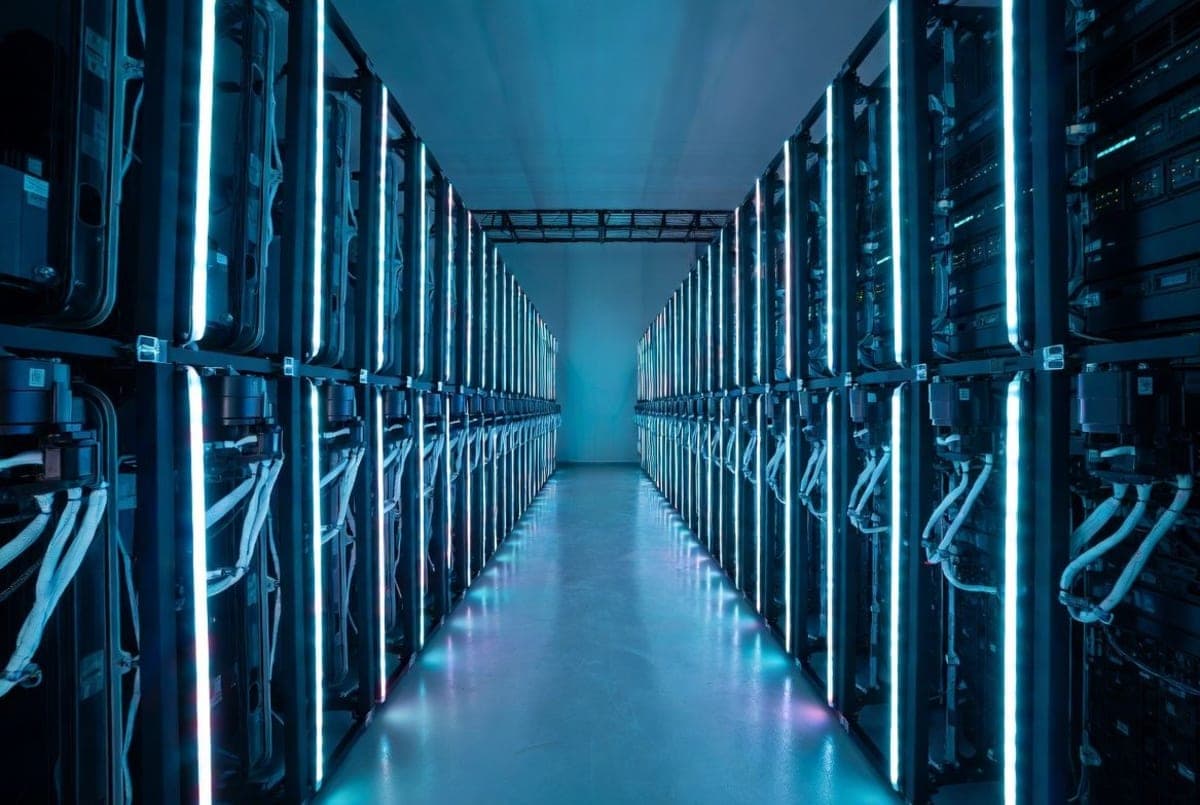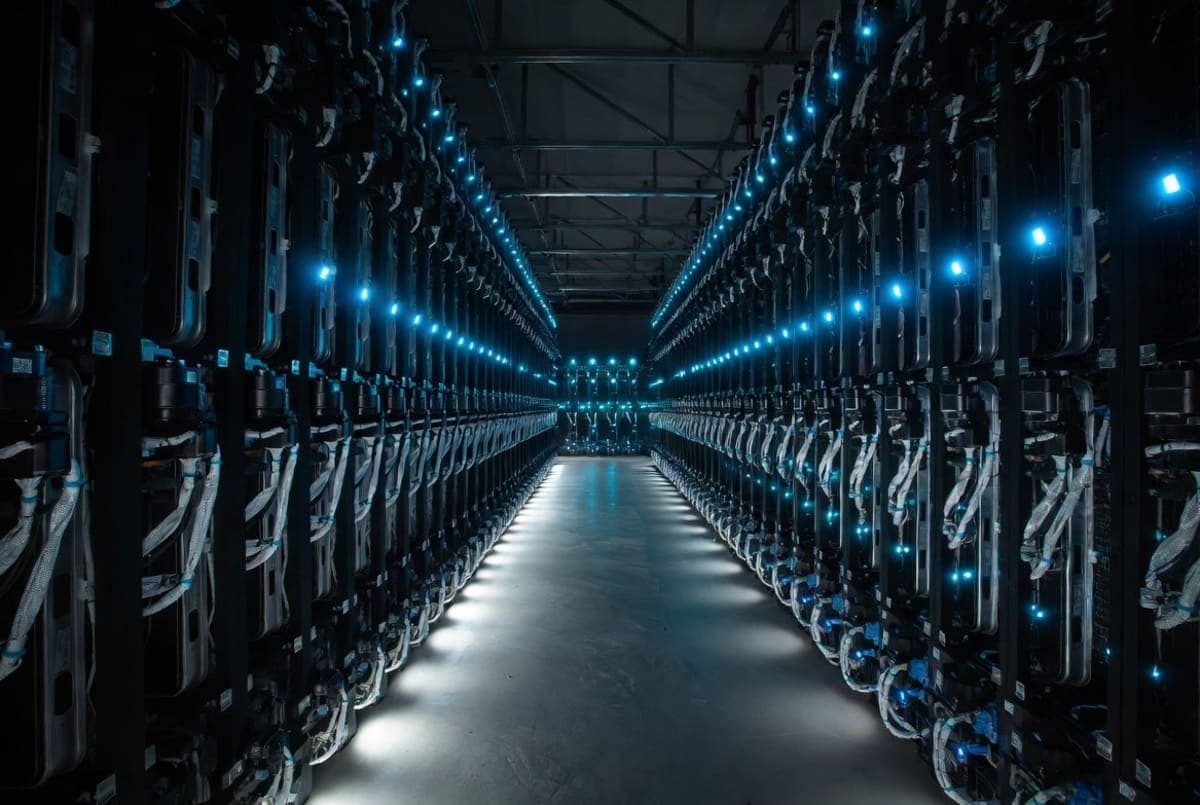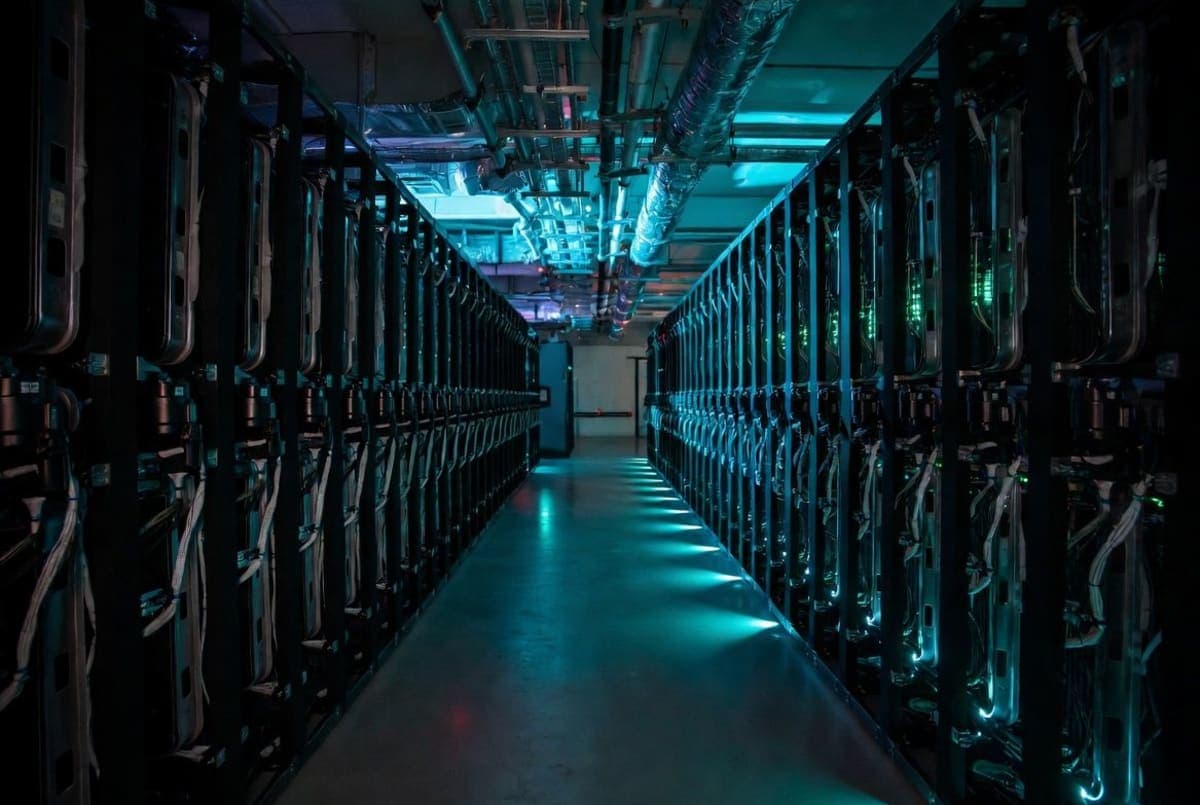
Google's electricity consumption rose 37% in 2025, the largest single-year jump the company has ever recorded, according to its 11th Environmental Report, released June 30. Total electricity use is now up more than 250% since 2019, and Google is fairly blunt about why.
The AI buildout. That is the short version. The longer version, which Google has repeated for a few years now, is that the growth isn't only AI: Google Cloud, continued Search investment, and YouTube all draw more power too. Fine. But a 37% leap, coming off a 27% increase the year before, doesn't happen because people watch more video.
The number underneath the number
Data centers did most of the damage. They burned through more than 42 million megawatt-hours in 2025, per a breakdown of the report, roughly a third more than the year before. That is a scale where comparisons to national grids start getting thrown around, though those comparisons tend to flatter whoever is making them, so take them loosely.
What Google won't spin: its own report admits the AI infrastructure buildout is "currently accelerating faster than the grid is decarbonizing." It's a rare line of corporate candor, and it undercuts a lot of the cheerier framing elsewhere in the document.
The clean-energy math, and its asterisk
Here is the headline Google wants you to remember. It signed agreements for more than 12 GW of net-new clean energy in 2025, a record, and matched 100% of its annual electricity use with renewable purchases for the ninth straight year. Operational emissions actually fell 2%.
That annual matching is doing a lot of work, though. Matching yearly totals is not the same as running every data center on clean power every hour. When renewable generation runs short, fossil sources still cover the load, and Google's own carbon-free-energy figure sits at roughly 65% across operations on an hourly basis, basically flat from 66% the year before despite all that procurement. Running to stand still.
The bigger crack is in the supply chain. Scope 3 emissions grew 25% year-over-year, driven by hardware manufacturing and data center construction, with the buildout of new sites alone adding around 2.3 million tons of CO2-equivalent. Overall carbon footprint? Up 18%, the largest annual increase Google has reported. So the operational 2% cut is real, but it's a thin slice of a footprint that's expanding almost everywhere else.
What about all those efficiency wins
Google leans hard on efficiency, and some of it is genuinely impressive. Fleet-wide power usage effectiveness hit 1.09, well under the industry average. The company also says the energy footprint of a median Gemini text prompt fell 33-fold over 12 months, a figure it laid out in an earlier technical paper pegging a typical prompt at 0.24 watt-hours.
Per-prompt efficiency going up while total consumption also goes up is the whole story of AI right now. You make each query cheaper, then serve so many more of them that the aggregate climbs anyway. Water tells the same tale: consumption rose 34% to 10.9 billion gallons, with Google replenishing about 78% of what it used.
The next report lands in mid-2026 and covers this year. Watch whether that 65% hourly carbon-free figure finally moves, because so far, the procurement records keep breaking and the number keeps sitting still.