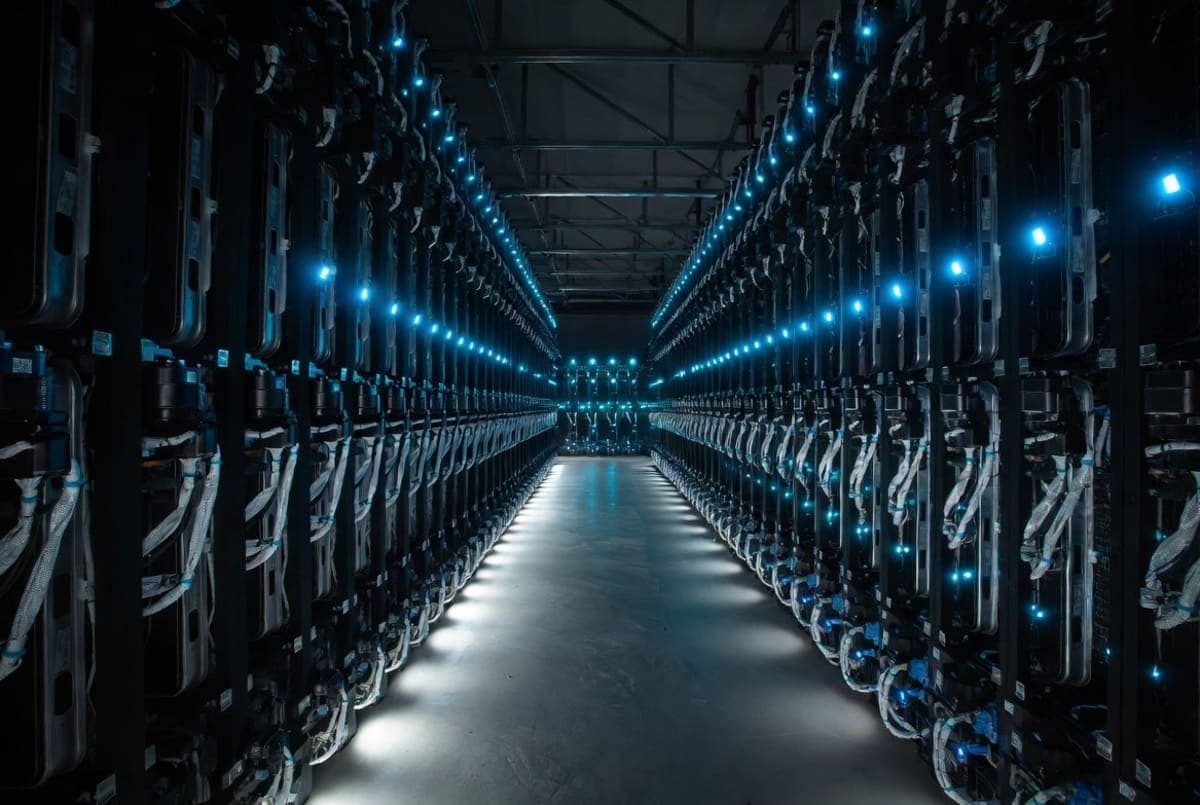
Meta is putting together a cloud business to sell outside customers access to its AI computing power and models, Bloomberg reported Wednesday, citing people familiar with the plans. The effort, reportedly called Meta Compute, would drop Mark Zuckerberg's company into the same market as Amazon Web Services, Microsoft Azure and Google Cloud, the three providers it has spent the past two years renting from.
Investors did not wait for details. Meta shares jumped more than 10% on the report, the stock's biggest single-day move in months after a year in which it had slid close to 15%. That is a lot of enthusiasm for a business that does not exist yet and has no announced pricing, no launch date, and no confirmation from Meta.
What's actually being weighed
Two shapes, according to the reporting. One is selling developers access to models hosted on Meta's own infrastructure, including its closed-weight Muse Spark model, roughly the way Amazon's Bedrock works. The other is renting raw compute, the neocloud model that CoreWeave and Nebius built entire companies on.
The initiative is reportedly run by infrastructure head Santosh Janardhan, Meta Superintelligence Labs leader Daniel Gross, and company president Dina Powell McCormick. It also confirms what Zuckerberg said out loud in May, when he called a cloud business "definitely on the table" and mentioned companies approaching Meta "almost every week" to buy access to its models or spare capacity. Which is the kind of thing an executive says when the answer is already yes.
Why now
Follow the spending. Meta guided 2026 capital expenditure to somewhere between $125 billion and $145 billion, a number driven by chips, land and power. It committed roughly $48 billion to renting other companies' GPUs when its own buildout couldn't keep pace, and Zuckerberg tied a round of roughly 8,000 planned layoffs directly to that infrastructure budget. When you are burning through that much, finding buyers for whatever you are not using stops being a side project.
The move that Meta is copying belongs to Elon Musk. SpaceX, which acquired xAI earlier this year, has been renting out xAI's Memphis data center capacity, leasing the Colossus 1 site to Anthropic and later striking a deal with Google. Bloomberg Intelligence estimates that arrangement alone could bring in more than $50 billion by 2028. When two of the biggest spenders in AI both start renting out their buildouts within weeks of each other, it looks less like coincidence and more like a hedge.
The part that should give you pause
Not everyone is buying it. Mark Douglas, CEO of ad platform MNTN, told Fortune the AWS-style plan "doesn't make a lot of sense unless you really want to put your name in the back of the AI space," then added the sharper point: "But again, we're sitting here talking about it, which maybe is the point." Selling raw capacity, he noted, has a tiny customer list. Not many outfits can take a data center and put it to work.
There's a strategy tension too. Meta spent years giving away open-weight Llama models to win developer goodwill. Charging for access to a closed-weight model as a paid cloud service cuts against that story. And the whole thing rests on GPUs holding their value, which they famously do not.
Meta has not committed to any of it. The plans are early and, per the reporting, could still change. For now it's a report, a stock pop, and a signal that even the companies building the mountain aren't sure their own models will pay for it, so they'd rather rent the mountain.