ByteDance has confirmed that the broader public release of Seedance 2.0, its AI video generation model, is delayed indefinitely. The company cited the need to improve copyright protections and anti-deepfake safeguards before opening the service more widely, but offered no replacement timeline.
The official API launch had been targeted for February 24 through ByteDance's Volcengine cloud platform. That date is now scrapped. Third-party API providers who briefly offered access, including Kie AI and WaveSpeed, have also pulled the model from their platforms as of mid-February.
Two weeks of chaos
Seedance 2.0 launched around February 10 and became a copyright crisis within 72 hours. Users flooded social media with AI-generated clips featuring Hollywood actors and studio-owned characters. A fake fight scene between Tom Cruise and Brad Pitt went viral, and clips featuring characters from Star Wars, Stranger Things, and SpongeBob SquarePants followed. Deadpool & Wolverine screenwriter Rhett Reese posted on X that it was "likely over for us," which is the kind of panic that makes headlines but not predictions.
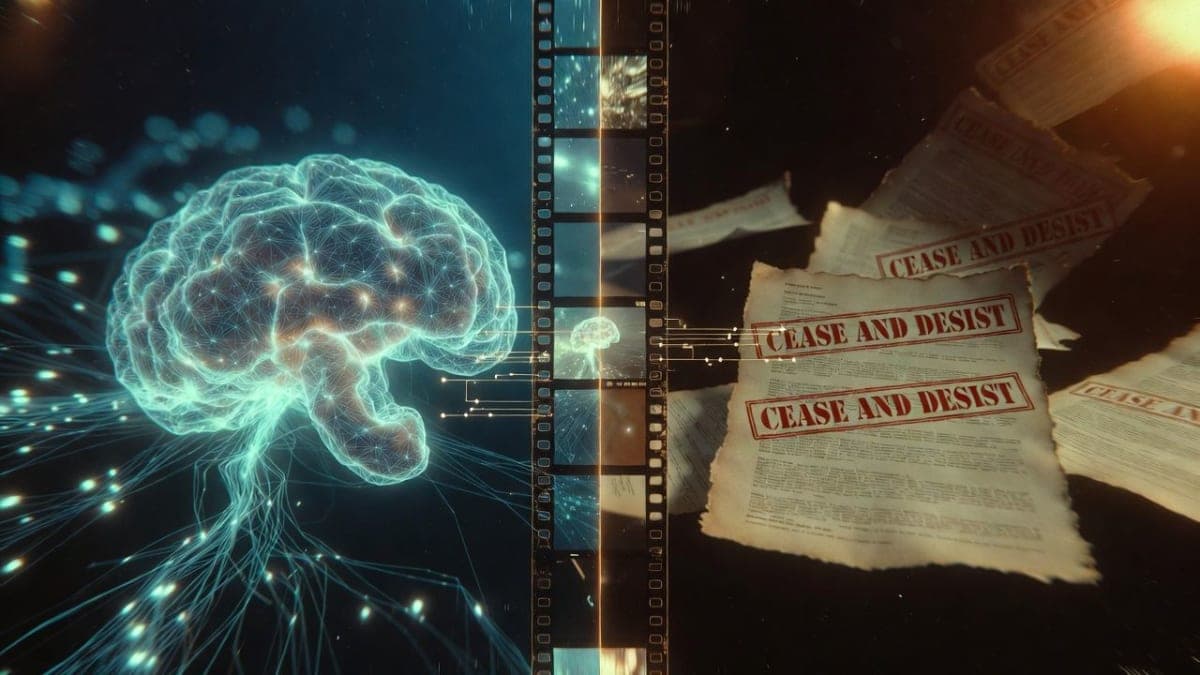
Disney fired the first legal shot on February 13 with a cease-and-desist letter accusing ByteDance of shipping the model pre-loaded with what Disney's lawyers called a "pirated library" of copyrighted characters. Paramount Skydance, Netflix, Warner Bros., and Sony followed with their own letters. Warner Bros. was particularly blunt, accusing ByteDance of running a playbook familiar among generative AI companies: infringe first, add guardrails later.
Then the MPA got involved
The Motion Picture Association sent its own cease-and-desist on February 21, the first time the trade group has targeted a major AI company this way. The MPA's framing was pointed: copyright violations in Seedance 2.0 are "a feature, not a bug." The association argued that the scale of infringing outputs proves the problem is baked into the model's training data, not caused by rogue users.
ByteDance's response has been a series of vague commitments. "ByteDance respects intellectual property rights and we have heard the concerns regarding Seedance 2.0," the company told NBC News. It said it was "taking steps to strengthen current safeguards," but provided no specifics on what those steps are or when they would be ready.
The deepfake problem too
Copyright is only half the headache. TechNode reported that Seedance 2.0 could generate eerily accurate voice characteristics from nothing more than a facial photo, without any user authorization. ByteDance suspended that feature and disabled the ability to upload real human images as references on February 9, a day before the model's broader release. The company's Chinese platform Jimeng now requires users to record their own face and voice before creating digital avatars, a live verification step that suggests ByteDance knows how thin its original safeguards were.
Who can still use it?
Access has narrowed considerably. The only confirmed way to use Seedance 2.0 right now is through ByteDance's Jimeng platform (which requires a Chinese Douyin account) or through an invite-only Creative Partner Program on Dreamina. BytePlus, ByteDance's international cloud arm, quietly removed Seedance 2.0 from its website around February 15. International availability through Dreamina or CapCut has no confirmed timeline.
The irony of all this: Disney sent ByteDance a cease-and-desist while simultaneously maintaining a $1 billion partnership with OpenAI for Sora integration into its creative workflows. The message from Hollywood is not that AI video generation is wrong, just that you need to pay for the privilege of training on their content.
ByteDance says it will announce a new public launch date separately. Given the pile of legal threats on its desk, "separately" could mean a while.