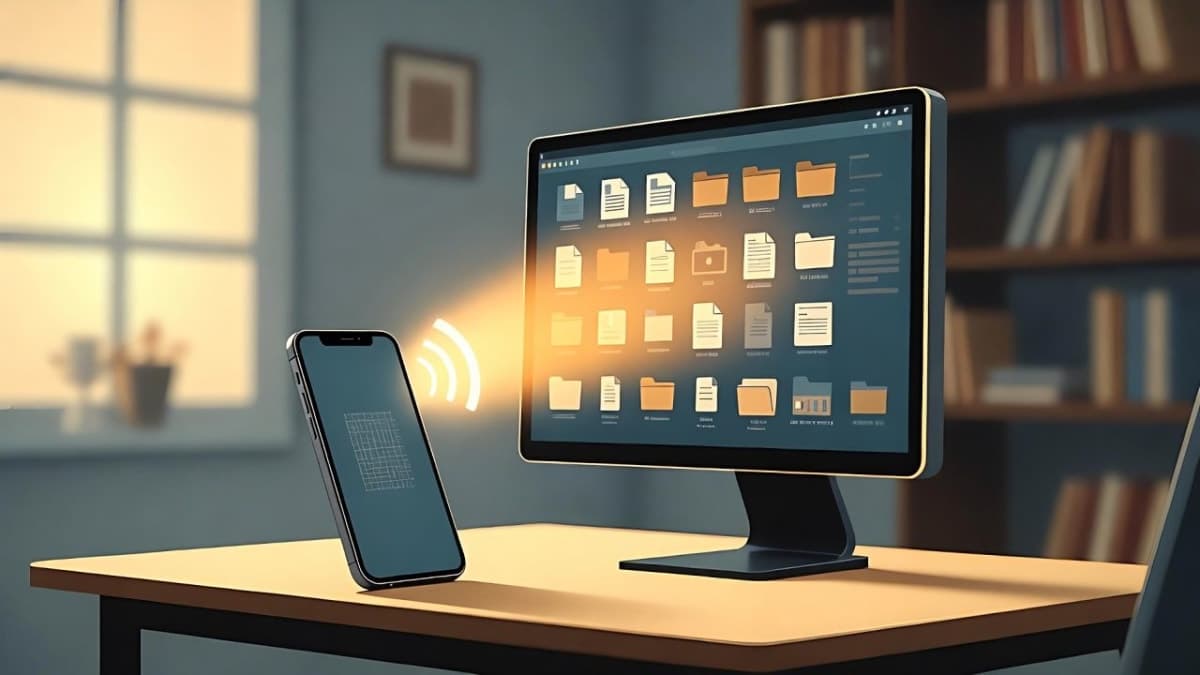
Anthropic shipped Dispatch, a new capability inside Claude Cowork that turns your phone into a remote control for your desktop AI agent. The feature, announced March 17 as a research preview, creates a single persistent conversation thread that syncs between the Claude mobile app and the desktop app. Fire off a task from your phone, walk away, come back to finished work.
The pitch is simple: Claude runs on your computer with full access to local files, connectors, and plugins you've already configured in Cowork. From mobile, you can ask it to compile a report from a local spreadsheet, draft a briefing from your Slack and email, or build a presentation from Google Drive files. Setup involves scanning a QR code to pair your phone with the desktop session. Early testing by MacStories found summarizing and retrieving data worked well, but sharing outputs was unreliable, with results landing at "about a 50/50 shot."
Dispatch mirrors Claude Code's existing Remote Control feature but strips away the terminal requirement. Both need the desktop machine awake and running. No notifications when tasks finish, no multiple threads, no scheduled tasks within the Dispatch conversation. Anthropic is candid about the risks: giving a mobile agent remote control of a desktop agent means instructions from your phone can trigger real actions on your machine, including file deletion and browser control.
Max subscribers get access now. Pro plans follow within days. Anthropic calls this an early version and says more updates are coming in the next few weeks.
Bottom Line
Dispatch gives Claude Cowork users mobile access to their desktop agent, though early reviews report inconsistent reliability on about half of attempted tasks.
Quick Facts
- Available to Max plan subscribers now, Pro plans within days
- Requires both Claude Desktop app and Claude mobile app
- Desktop must be awake and app open for tasks to run
- Single persistent conversation thread (no multiple threads)
- No notifications when tasks complete (current limitation)
- MacStories early testing: ~50% success rate on complex tasks (independent review)