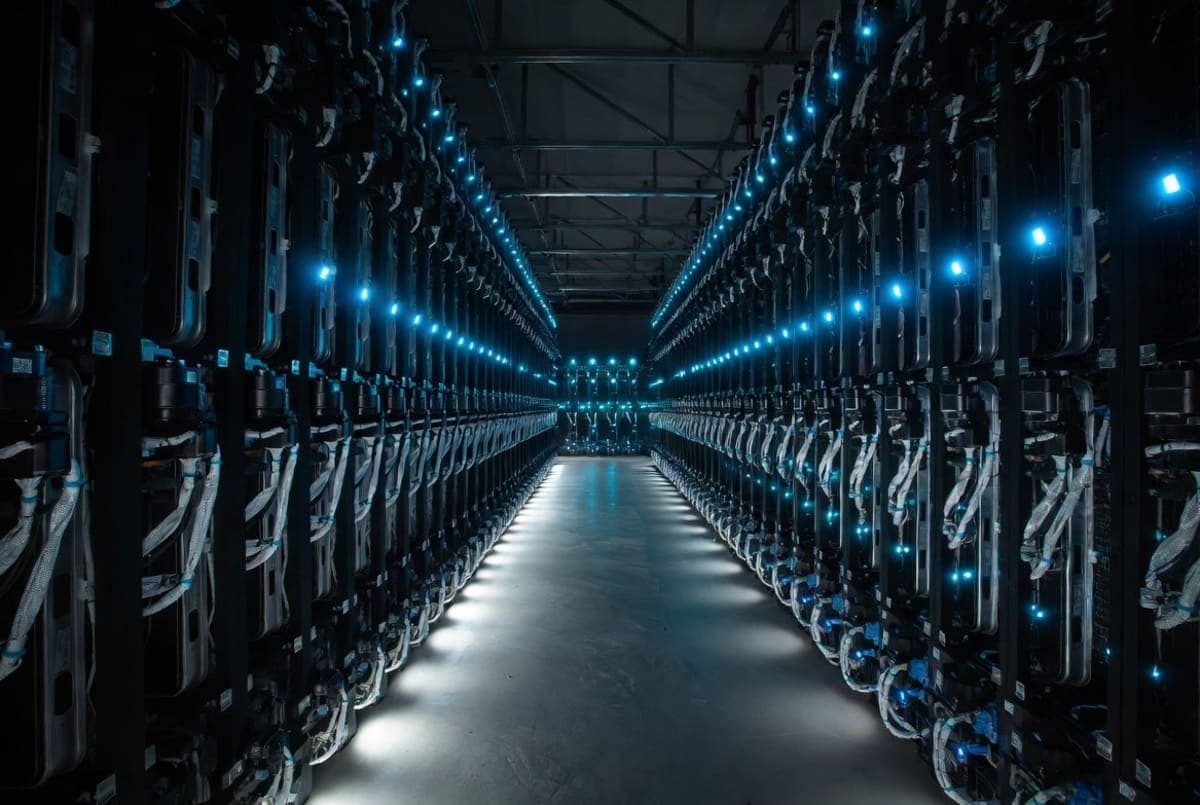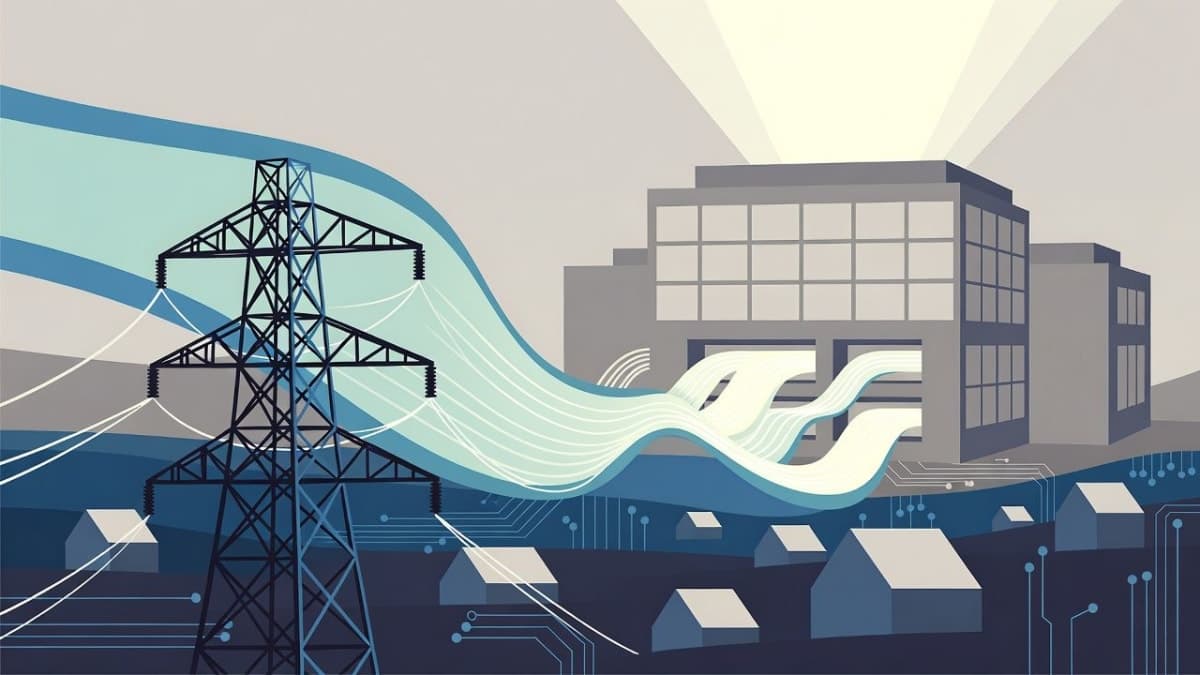
OpenAI published a "Stargate Community" framework Tuesday outlining how it plans to prevent its massive AI data centers from driving up electricity costs for nearby residents. The company will fund new power generation, battery storage, and grid upgrades at each site rather than relying on existing municipal infrastructure.
The pledge, in context
The timing here is not coincidental. Microsoft announced nearly identical commitments on January 13, promising to "pay utility rates that are high enough to cover our electricity costs" for its own data centers. Both announcements came after President Trump posted on Truth Social that his administration was working with tech companies to ensure Americans don't pick up the tab for AI power consumption.
OpenAI's approach varies by location. In Michigan, DTE Energy will serve the campus using existing excess transmission capacity, with any required upgrades funded by the project. The Wisconsin site, developed with Vantage Data Centers, has Vantage underwriting 100% of power infrastructure investment through a dedicated rate from We Energies. In Texas, OpenAI is funding new generation and storage capacity outright.
Whether these commitments amount to meaningful guarantees or PR maneuvers depends on details that neither company has fully disclosed. Bloomberg noted that "many of the details of both plans aren't yet clear."
What's driving this?
Community backlash. According to reports, more than $64 billion in data center projects were killed over the past two years by local governments worried about utility bills, water supplies, and secretive land deals. Data Center Watch tracked 20 server farm projects blocked or delayed in Q2 2025 alone. Microsoft abandoned plans for a data center in Caledonia, Wisconsin last year after residents objected.
The numbers behind that backlash are striking. A Bloomberg analysis found areas near data centers saw electricity cost increases of as much as 267% compared to five years ago. When your neighbor's AI training run shows up on your electric bill, the abstract benefits of frontier models become a harder sell.
The water question
OpenAI also committed to prioritizing closed-loop or low-water cooling systems. The Abilene, Texas campus uses direct-to-chip liquid cooling that the company claims is "zero-water-evaporation" after an initial fill. Oracle's fact sheet puts anticipated water usage for cooling maintenance at approximately 12,625 gallons per building per year, which it calls a remarkably low figure for facilities of this scale.
That Michigan site will use a closed-loop cooling system as well. The Wisconsin campus claims it will achieve "water positivity," restoring more water to freshwater sources than it consumes.
Critics have noted that these efficiency claims apply to the data centers themselves, not the power plants feeding them. OpenAI is building its own natural gas plant for the Abilene site. How much water that consumes isn't part of the data center math.
Where this stands
The Stargate project, announced at the White House in January 2025, aims to deploy 10 gigawatts of AI computing capacity by 2029. Current planned capacity sits around 8 gigawatts across sites in Texas, New Mexico, Wisconsin, Michigan, and Ohio, representing over $450 billion in projected investment.
The Abilene flagship is already operational and training frontier models. Michigan construction is expected to begin early this year. The Wisconsin site is scheduled for completion in 2028.
OpenAI also mentioned "OpenAI Academies" for workforce development in host communities, though the actual job numbers tell a different story. The Wall Street Journal reported that the Texas site will have about 100 full-time workers once operational. Construction employment is another matter, with thousands of jobs during the building phase, but those disappear.