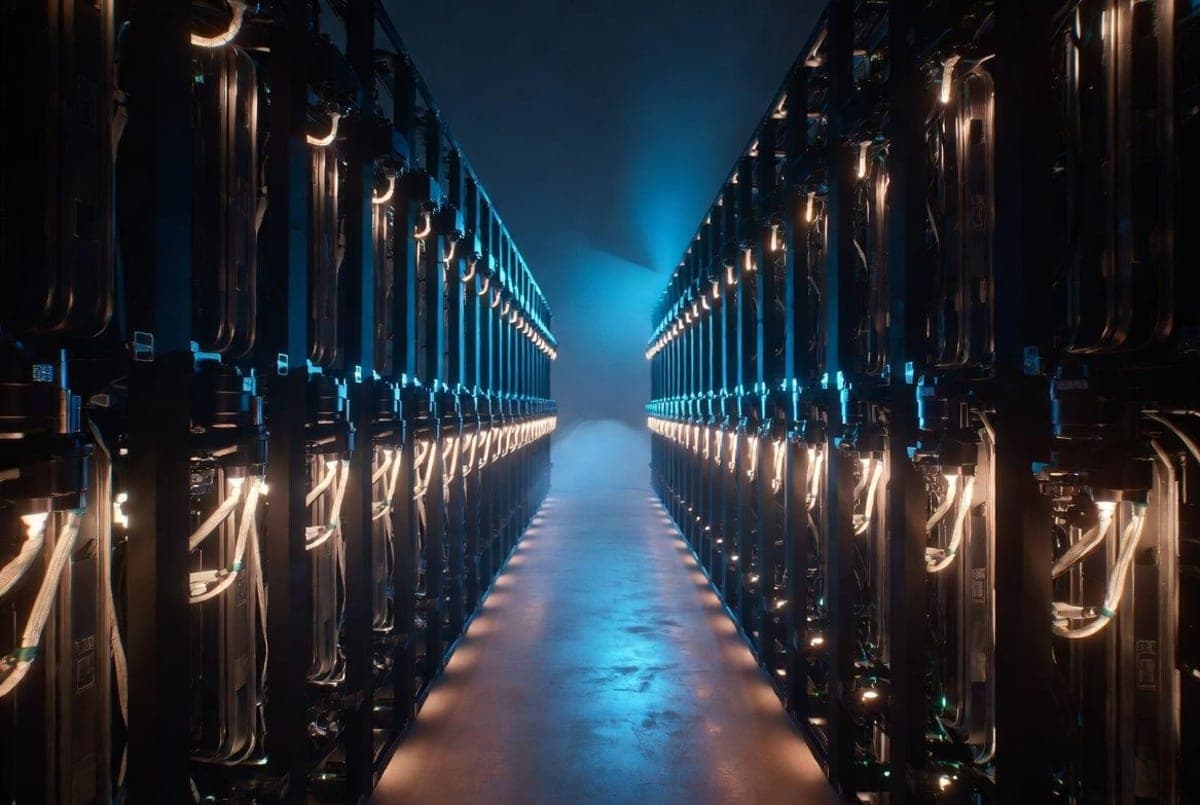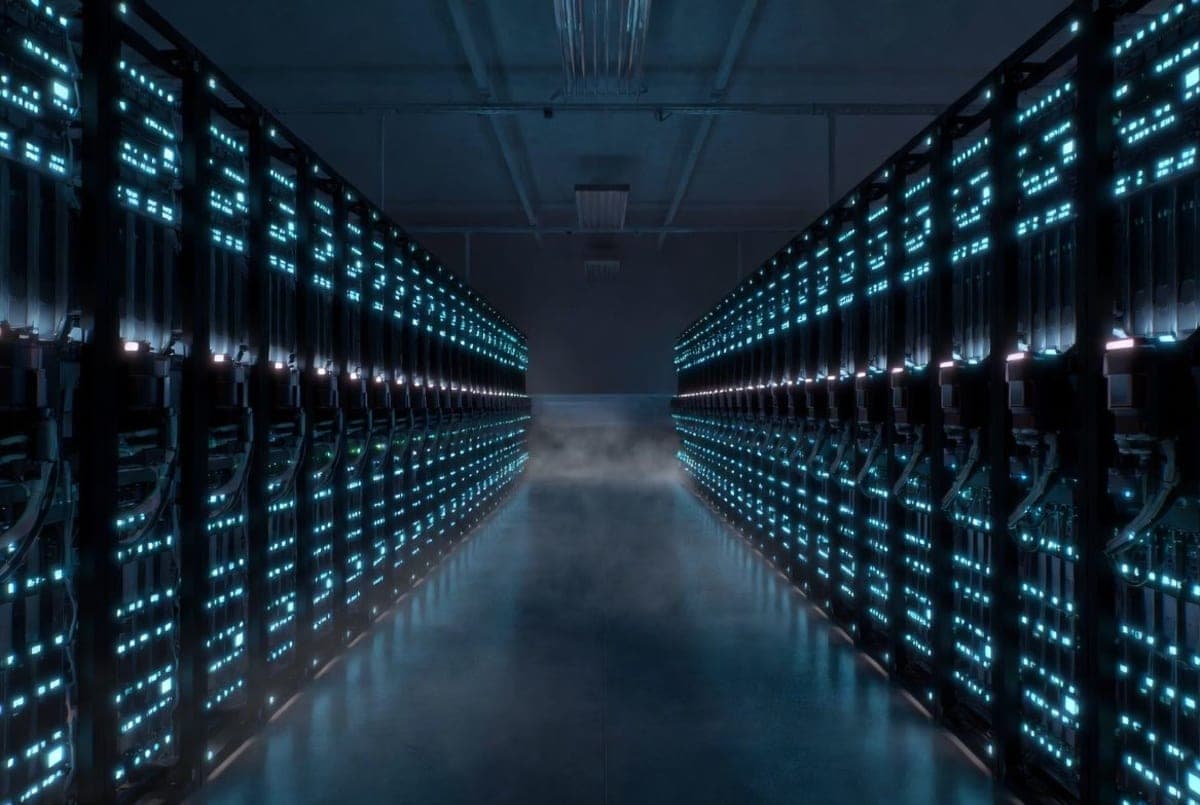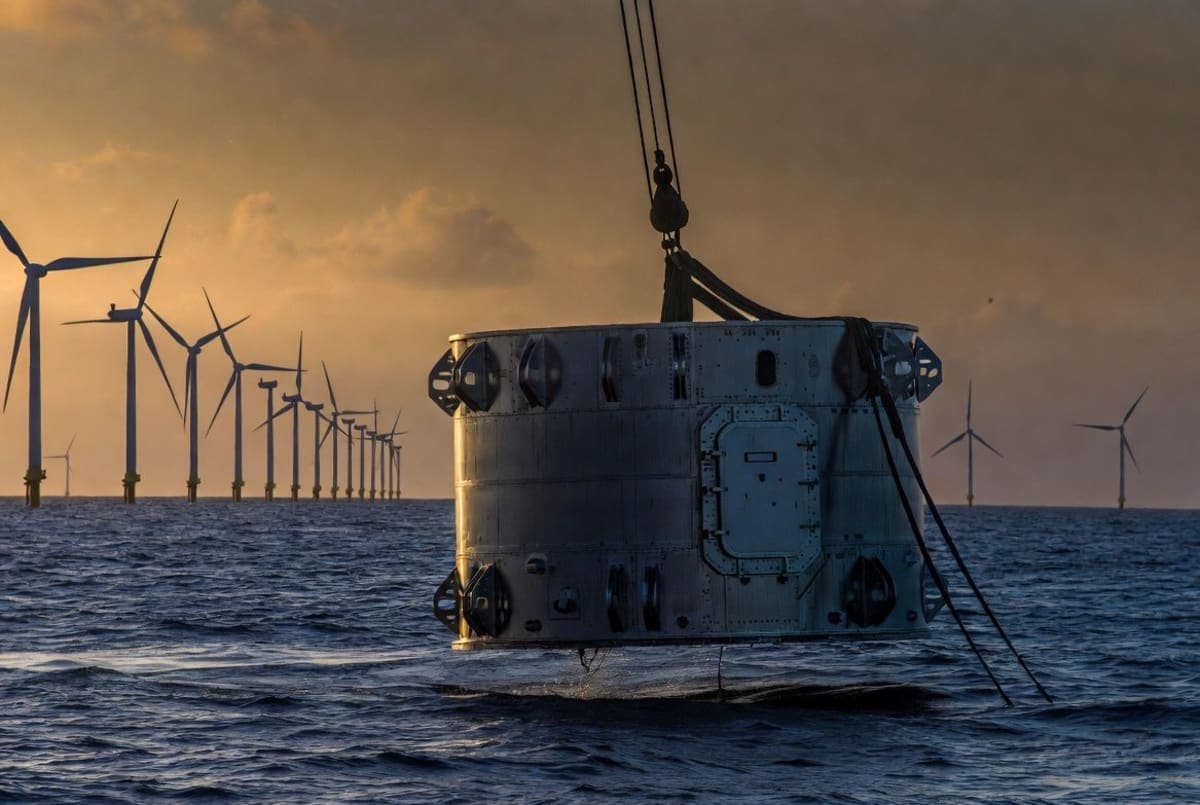
A wind-powered data center sitting on the seabed off Shanghai began full commercial operation this month, according to its Chinese builder and state media, making it the first facility of its kind to move past trials and into paying work. The 24MW site holds roughly 2,000 servers and pulls more than 95 percent of its electricity from a neighboring offshore wind farm.
What's actually down there
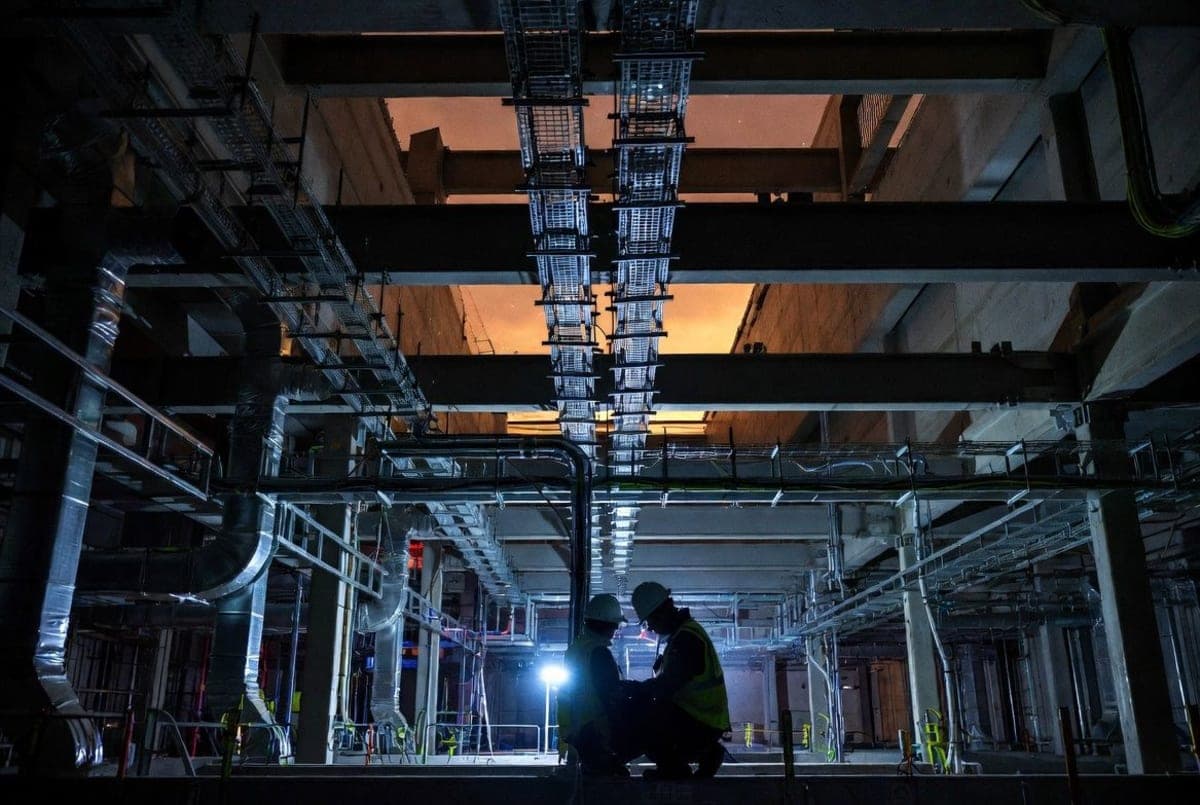
The project sits in Shanghai's Lingang Special Area, about 75 kilometers southeast of the city, built by HiCloud Technology alongside a roster of state-backed partners including China Telecom. Per data center coverage, construction wrapped in October 2025, trials ran in February, and the facility went fully live last week. The bill came to roughly $226 million.
Servers sit inside sealed, pressure-resistant modules and get cooled by the surrounding seawater. No chillers, no HVAC, which are the two biggest energy drains in a conventional data hall. China Telecom and an operator called LinkWise have parked GPU clusters inside for AI training, big-data annotation, and 5G work, plus what the operators describe as Chinese language-model development.
The "world's first" label deserves an asterisk
Chinese reports, echoed by Tom's Hardware, call this the world's first wind-powered underwater data center in full commercial operation. Read that qualifier carefully. Microsoft got to the underwater part years ago.
Its Project Natick ran from roughly 2013 to 2024, sinking capsules off California and later Scotland's Orkney Islands, and it actually found lower hardware failure rates beneath the waves than on land. Then Microsoft walked away without ever going commercial, citing the economics and the basic problem of how you fix a broken server you've welded shut and dropped in the ocean. So the Chinese claim isn't that they invented the idea. It's that they're the ones charging customers for it.
The numbers don't fully agree
Start with depth, which should be the easy part. Most outlets, and the operators themselves, put the modules at 35 meters down. But an offshore wind report places them at 10 meters, between two phases of the Lin-gang wind farm. A 25-meter discrepancy on a flagship project is the kind of thing that makes you wonder what else got lost in translation from the press release.
The efficiency figures lean optimistic too. An efficiency estimate claims a 22.8 percent cut in total power use versus a comparable land facility, with a power usage effectiveness of 1.15 against an industry average closer to 1.5. Those are projections, not audited results from a site that has been running commercially for about two weeks. Worth filing under "promising, unproven."
The people involved aren't pretending otherwise. "Construction of UDCs is still in its initial stage," said Wang Shifeng of CCCC's Third Harbor Engineering, which is a strikingly modest thing to say about something you're calling a global first. The open questions are real ones: saltwater corrosion, keeping seals airtight under pressure for years, whether the undersea cables hold, how you service anything down there, and what all this warm water does to the marine life around it.
HiCloud's larger ambition is a build that could eventually reach 500MW. Whether the sealed modules survive their first full year underwater is the number actually worth watching.