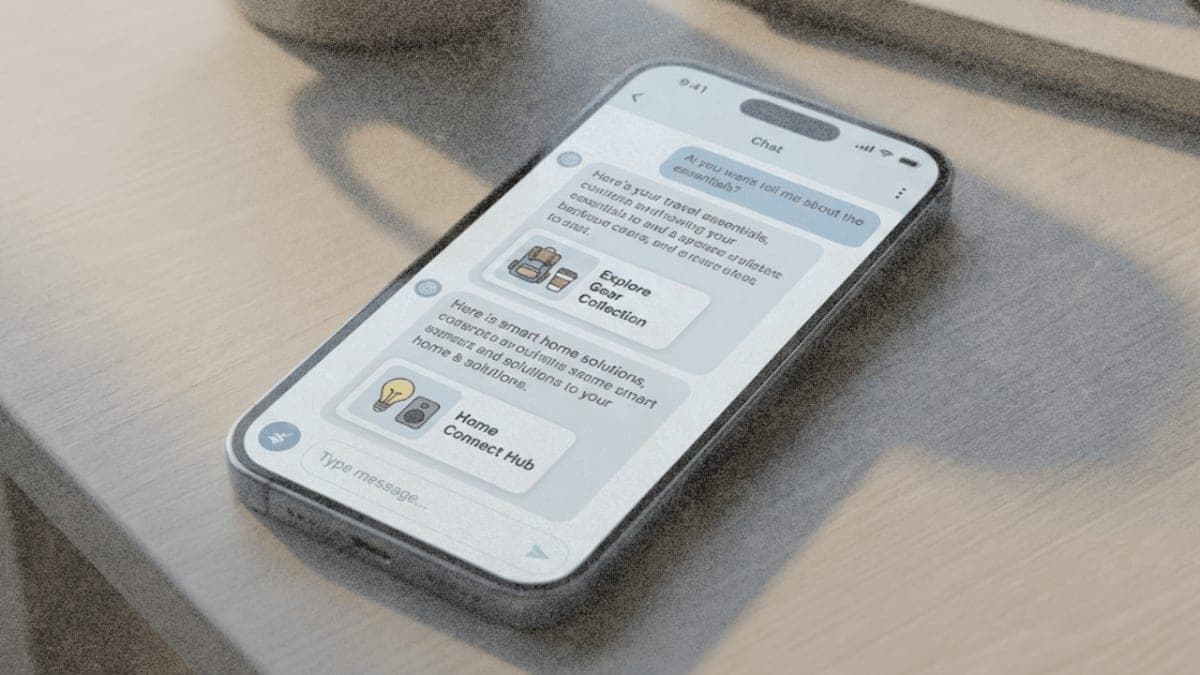
OpenAI is actively developing advertising formats for ChatGPT, with internal discussions exploring sponsored content that would appear directly within the chatbot's responses, according to a report from The Information published this week.
The formats under consideration
One approach would have ChatGPT preferentially surface sponsored products when users ask for recommendations. Ask about mascara, get a Sephora ad. Another mockup shows more conventional sidebar advertisements next to the chat window, a format that would be easier to ignore but also easier to block.
A third option attempts something subtler: ads that only appear after users request additional details. Someone asking about Barcelona might see the Sagrada Familia mentioned, and clicking that suggestion could trigger sponsored links to tour packages. OpenAI confirmed to The Information that it's exploring how advertising might work "without compromising user trust," which is the sort of qualifier that could mean almost anything.
The most contentious piece involves ChatGPT's memory function. The feature, which lets the chatbot remember details from previous conversations, could theoretically be used for ad targeting. Your past discussions about running shoes or kitchen renovations would inform which products get recommended.
Altman's earlier position
This represents a notable shift from comments Sam Altman made in early 2024. Speaking on the Lex Fridman podcast, the OpenAI CEO described ad-influenced AI responses as easy to imagine as "a dystopian future" and said he liked that ChatGPT users know their answers aren't shaped by advertisers. He believed OpenAI didn't need to rely on advertising "for aesthetic reasons."
That was before the company's infrastructure costs became quite so visible. OpenAI reportedly lost over $5 billion last year, and its planned data center buildout could cost $115 billion by 2029. The company hit $10 billion in annual recurring revenue by mid-2025, according to multiple reports, but the vast majority of ChatGPT's 800 million weekly users don't pay anything.
Recent turbulence
The advertising push has already hit some bumps. In early December, Altman declared a "code red" after ChatGPT's app suggestions started resembling ads, prompting user backlash. One paid subscriber complained about receiving a Peloton recommendation in the middle of a conversation about an Elon Musk podcast. OpenAI insisted it wasn't an ad, "just a suggestion," but the distinction felt thin.
Work on advertising was reportedly deprioritized after that incident as the company focused on competing with Google's Gemini, which has been gaining ground. But momentum has apparently rebuilt. Internal timelines, per various reports, point to 2026 pilots starting with US users.
The targeting question
The memory-based targeting is where this gets interesting, and where Altman's earlier comments look most awkward. ChatGPT knows things about users that Google's search history only hints at. People tell it about their health concerns, relationship problems, career anxieties. The advertising potential is obvious. Whether users would tolerate it is less clear.
OpenAI's spokesperson said the company is trying to figure out how to do this without losing trust. That's the whole game, really. The 35 million paying subscribers (out of 800 million weekly users) generate meaningful revenue, but the free tier represents an enormous audience that currently costs money to serve.
The internal term for the strategy is "intent-based monetization." ChatGPT wouldn't just answer questions but would occasionally make recommendations. The company is also exploring "generative ads" where the AI itself crafts the pitch, testing different approaches to see what converts.
OpenAI's bet seems to be that it can reinvent advertising for the AI era rather than just bolting Google's model onto a chatbot. Whether that's possible without becoming "dystopian" remains the open question.