Netflix has acquired InterPositive, the AI filmmaking startup Ben Affleck quietly founded in 2022, in a deal Bloomberg reports could reach $600 million if performance targets hit. The deal was announced on March 5, nine days after Netflix walked away from its bid for Warner Bros. Discovery.
What it actually does
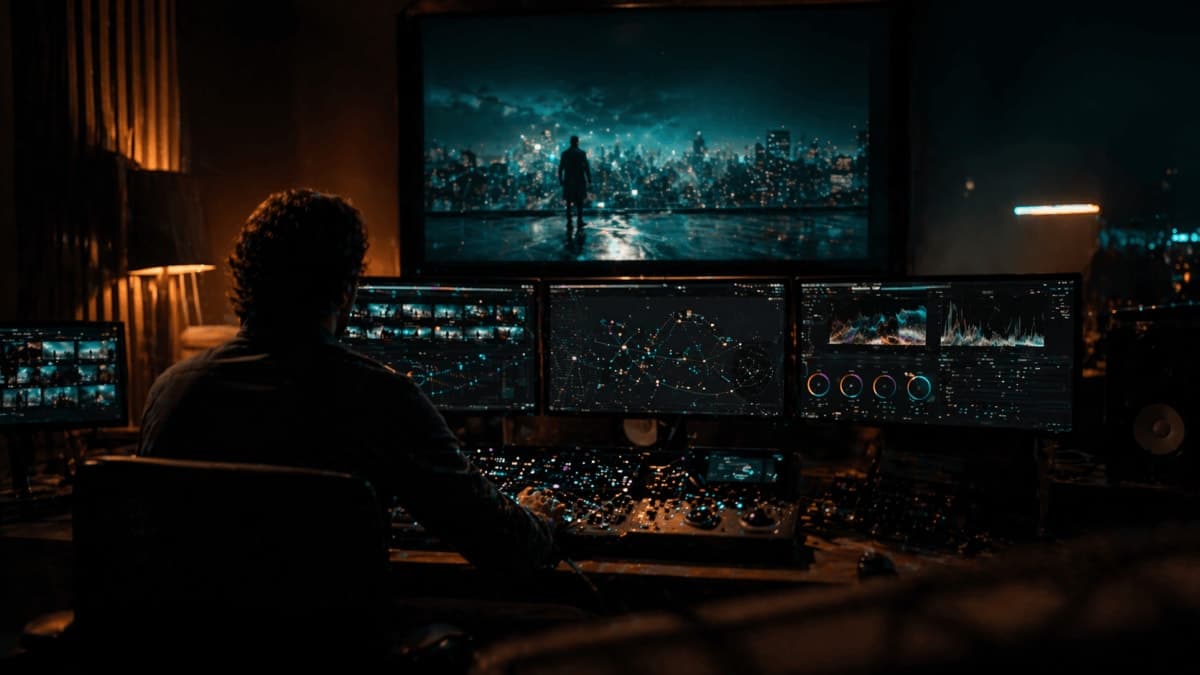
The tool is not Sora. Affleck has been insistent on that point. Netflix's post announcing the deal shows him explaining that InterPositive trains a model on a single production's own dailies, then helps editors relight shots, clean up continuity errors, reframe scenes, or strip wires from stunts. No text prompt. No footage pulled off the open internet.
What it does replace is a grinding layer of post-production work that has, for years, been outsourced to India, South Korea, the Philippines, and parts of Latin America. Color grading. Rotoscoping. The frame-by-frame repetition that entry-level artists do before they ever touch the work that pays well.
The offshoring problem
More than two million people work in global visual effects, Rest of World reports, and they're the ones doing most of this work. Netflix has said it won't license InterPositive to rival studios, but that's cold comfort if you're a junior compositor in Mumbai whose studio relies on Netflix contracts to keep the lights on.
Technicolor, one of the largest VFX vendors in the world, collapsed in February 2025 and abruptly shut its India operations. About 3,000 workers in Bengaluru and Mumbai were left without pay or severance. That was roughly a year before the Affleck deal dropped. Netflix, for its part, opened a new AI-focused facility called Eyeline Studios in Hyderabad on March 12, the same week the acquisition hit the trades.
The numbers nobody wants to talk about
A 2024 study by CVL Economics, commissioned by the Animation Guild and several other Hollywood labor groups, surveyed 300 industry leaders. Three-quarters of them said they were already using generative AI to eliminate, reduce, or consolidate jobs as of 2023. The study estimated 118,500 US film, TV, and animation positions could be hit within three years, roughly 21.4% of the workforce.
That figure is US-only. The global number has not been calculated. It would almost certainly be larger.
Some argue efficiency gains will translate into more productions and therefore more jobs. Kimberly Owczarski, a film professor at Texas Christian University, told Rest of World that theory doesn't match what's actually happening: the overall number of film and TV productions has been shrinking, not growing.
"Innovation should empower storytellers, not replace them." That's Elizabeth Stone, Netflix's chief product and technology officer, in the press release, and it's the kind of sentence every company acquiring an AI tool releases on the same day.
The senior adviser question
Affleck himself now sits at Netflix as a senior adviser. In the Netflix video, he frames the tools as protecting human judgment in filmmaking, the kind "that takes decades to build." Fair enough. The people losing their shot at those decades are the ones coming up now.
Commercial sales are not in the plan, at least not yet. Netflix intends to roll the tech out through in-house creative partners first. Expect the first InterPositive-touched productions to show up on the service later in 2026.