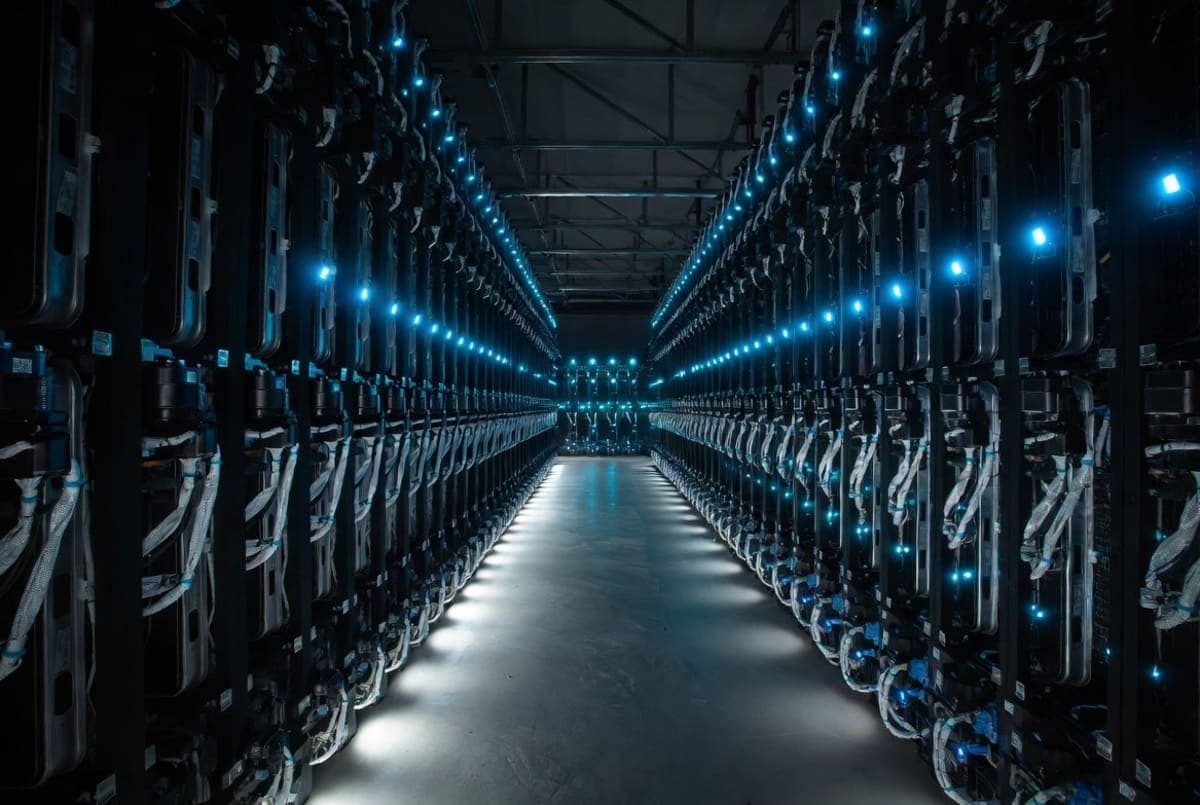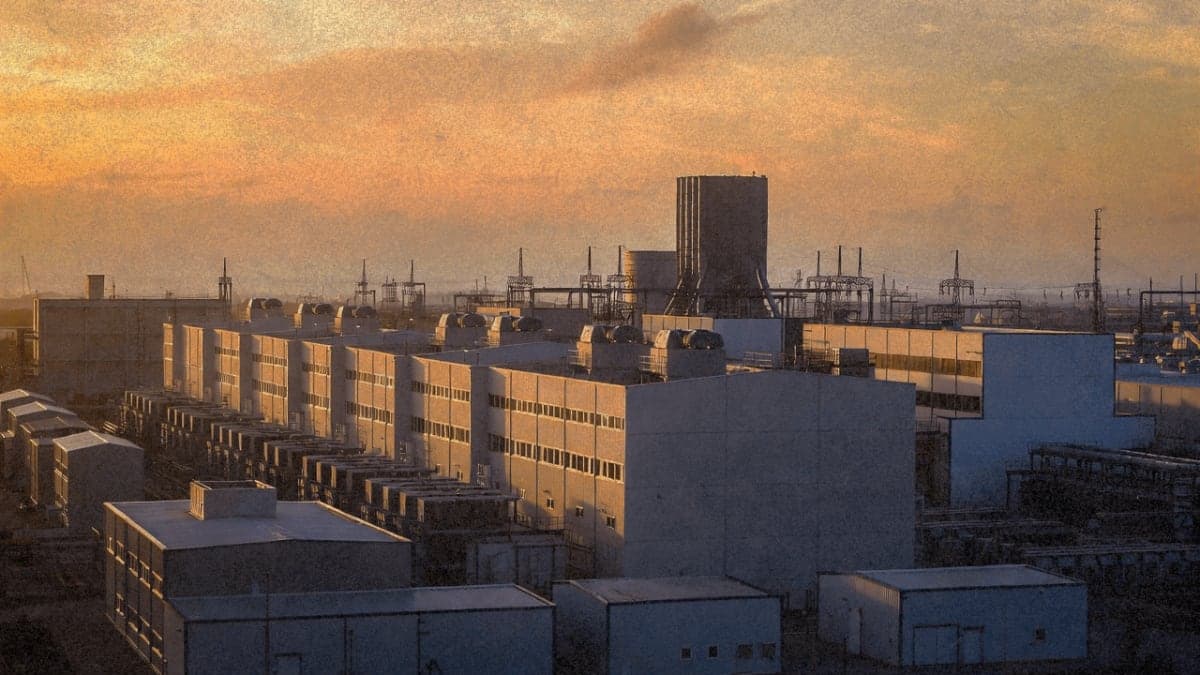
Mark Zuckerberg announced on January 12th that Meta is creating a new division called Meta Compute, dedicated entirely to building AI infrastructure. The stated goal: tens of gigawatts of capacity this decade, with hundreds of gigawatts as the long-term target. For reference, a gigawatt is roughly half the output of the Hoover Dam.
The timing here is interesting. This announcement came hours after Meta named Dina Powell McCormick, a former Trump administration official and Goldman Sachs partner, as company president. And just days after Meta signed nuclear power deals with three companies for up to 6.6 gigawatts by 2035.
So the question becomes: is this a strategic vision or a scramble?
The people running this thing
Santosh Janardhan, Meta's head of global infrastructure since 2009, will handle the technical side. The more curious appointment is Daniel Gross, who's leading long-term capacity planning and supplier relationships.
Gross was CEO of Safe Superintelligence, the startup Ilya Sutskever founded after leaving OpenAI. Meta tried to buy SSI outright last year but Sutskever refused. Zuckerberg then poached Gross instead, along with former GitHub CEO Nat Friedman and their venture fund NFDG. If you can't buy the company, buy the management. Classic.
Powell McCormick sits above both, handling government relations and sovereign wealth fund partnerships. She spent 16 years at Goldman Sachs and served as Trump's deputy national security advisor. The company announcement emphasized her "deep relationships around the world." Translation: she knows who to call.
Why infrastructure? Why now?
The honest answer: Llama isn't winning. When Llama 4 launched in April, the reception was poor. Developers complained about inconsistent results and weak fine-tuning compared to competitors. Meta's CFO Susan Li has acknowledged the company faces an "uphill climb" in foundation models against OpenAI and Google.
So the new strategy is to win on infrastructure instead. Li told investors that "developing leading AI infrastructure will be a core advantage in developing the best AI models and product experiences." Which sounds like something you say when your models aren't the best.
The $600 billion figure Zuckerberg floated at a White House dinner in September is now official policy. That number includes data centers, hiring, cloud deals with Google, CoreWeave, and others, plus whatever else Meta can throw at the problem.
The nuclear bet
Meta's power strategy deserves its own mention. The company signed 20-year agreements with Vistra for power from three existing nuclear plants in Ohio and Pennsylvania. More interesting are the deals with TerraPower (Bill Gates' nuclear startup) and Oklo (backed by Sam Altman).
TerraPower's sodium-cooled reactors won't generate power until 2032 at the earliest. Oklo's advanced reactors are targeting 2030, but the company has struggled to get NRC approval.
Meta is essentially providing financing certainty so these companies can raise capital and build. The upside: first mover advantage on clean baseload power. The downside: these technologies are unproven at commercial scale.
Whether Oklo can actually deliver 1.2 gigawatts from its 75-megawatt modular reactors by 2034 is an open question. That's at least 16 reactors they'd need to build and operate. The company went public via SPAC in 2024. Make of that what you will.
What this actually changes
Creating a dedicated unit with Zuckerberg's direct reports running it suggests Meta is serious about operational focus. Previously, infrastructure decisions were scattered across engineering and finance teams. Now there's clear ownership.
The political angle is harder to ignore. Powell McCormick resigned from Meta's board in December, then immediately rejoined as president. Trump congratulated her on Truth Social within hours of the announcement. Meta has also hired Curtis Joseph Mahoney, a former Trump trade official, as chief legal officer.
Zuckerberg is building relationships with the incoming administration while committing to massive US investment. The infrastructure plays well in DC. Jobs, domestic manufacturing, energy independence.
What they're not saying
A few things buried in the announcements. The nuclear power will flow through the PJM grid, which covers the Mid-Atlantic and Midwest. That grid is already saturated with data center demand. Meta isn't solving the regional power problem; they're competing for the same constrained resource.
Also missing: any clarity on costs. The TerraPower and Oklo deals have no disclosed financial terms. These early-stage nuclear projects are expensive. TerraPower estimates eventual costs of $50-60 per megawatt-hour. Oklo is targeting $80-130. Those numbers are for later projects. First-of-a-kind reactors always cost more.
And the timeline is optimistic. Tens of gigawatts by 2030 requires building at a pace that nobody in the data center industry has achieved. Meta's 2GW Hyperion data center isn't even finished yet.
The bottom line
Meta is making a bet that infrastructure will matter more than algorithms in the AI race. If compute becomes the binding constraint on frontier model development, controlling the power supply is a serious advantage. That's the optimistic read.
The cynical read: when your AI models are falling behind, emphasize everything else. Llama 4.5 is supposedly coming before year end. Meta Compute buys time.
Next milestone to watch: Meta's Prometheus supercluster in New Albany, Ohio is expected online sometime in 2026. That's the first major test of whether the infrastructure thesis actually produces results.