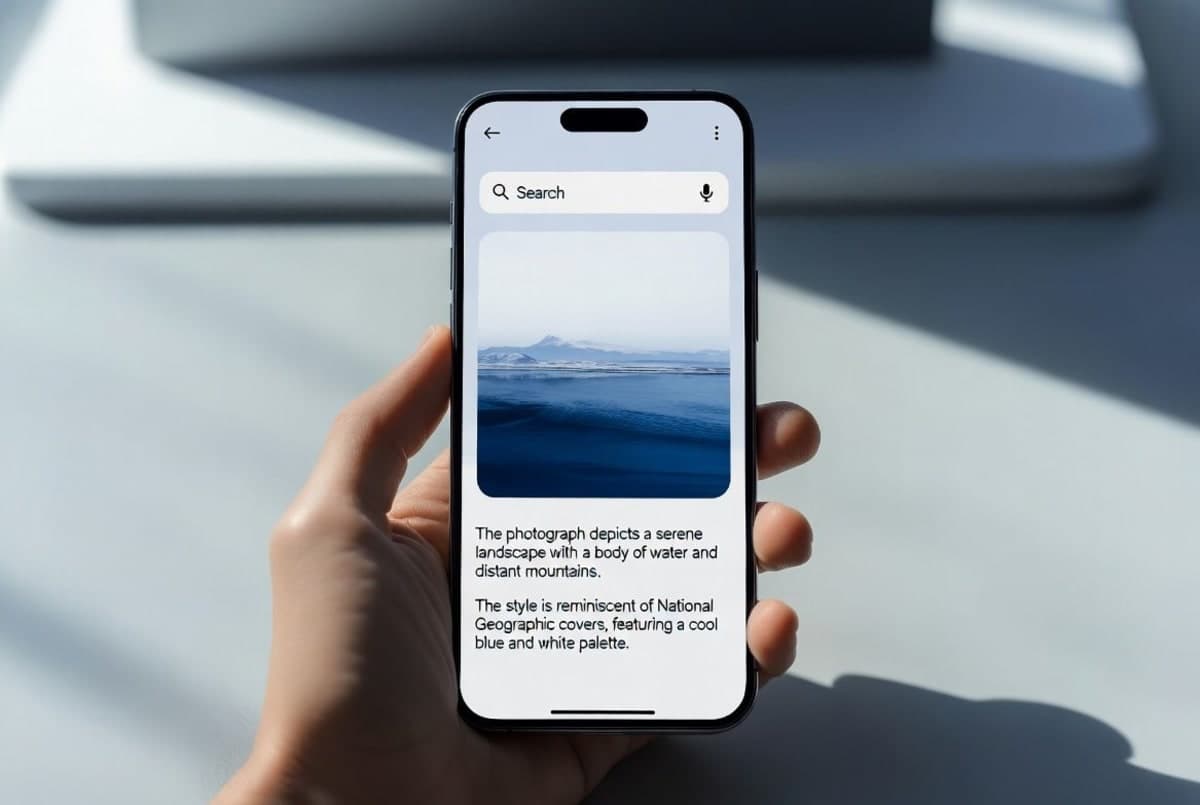
Getty Images and OpenAI signed a multi-year display deal that will surface Getty's licensed photographs and editorial imagery inside ChatGPT's search and discovery results. Getty announced the partnership on June 21, 2026, from New York, and its stock did the rest of the talking.
The flip nobody saw coming three years ago
Here is the part worth sitting with. Getty spent years as the loudest rightsholder yelling about AI scraping, banning AI-generated art from its library back in 2022 and then suing Stability AI for copyright infringement, a case a court rejected late last year. Now it is handing its catalog to the largest AI company on the planet so those same images can decorate chatbot answers.
Getty CEO Craig Peters framed it the way you would expect. He called licensed visual content something that makes AI search more trustworthy, which is true and also exactly what you say when you have decided to stop fighting and start invoicing.
Display, not training. That distinction is the whole thing
This is not a training data deal, and the difference matters more than the headlines let on. Getty's images will appear inside ChatGPT responses as rights-cleared illustrations, with attribution. Whether OpenAI gets to feed those images into future models is simply not addressed in the announcement. Reporting from Engadget's coverage notes Getty's earlier Perplexity arrangement explicitly barred training use, but nobody has confirmed the same fence exists here.
So read it as a distribution channel. Getty gets paid per impression on a platform with hundreds of millions of weekly users. OpenAI gets a legally clean source of images instead of whatever the open web coughs up. The training question stays open, and that is the question that actually decides whether this is a tidy licensing win or the first step toward something messier.
About that stock move
Shares jumped as much as 145% intraday on June 22 before closing up 90% at $1.15, per Bloomberg figures relayed in market reporting. Sounds explosive until you notice the stock had fallen roughly 55% year-to-date and was trading in penny territory. A 90% pop off a base that low is the market expressing relief, not confidence. Getty had been getting flattened by the same generative AI tools it was litigating against, and investors apparently like the idea of Getty repositioning as the licensed layer those tools need rather than roadkill.
The Shutterstock piece
There is a bigger structural story sitting behind this. Getty's roughly $3.7 billion merger with Shutterstock, announced in January 2025, cleared a major hurdle when the UK's Competition and Markets Authority conditionally approved it on May 15, 2026, after a Phase 2 review that began the prior November. The catch: clearance requires Shutterstock to divest its global editorial business to a CMA-approved buyer. A Shutterstock regulatory filing later confirmed US Department of Justice clearance too. A combined Getty-Shutterstock would control a far deeper pool of licensable imagery, which makes deals exactly like the OpenAI one more valuable.
Getty has not said how its contributing photographers get paid out of any of this, or whether they can opt out. For a company that built its AI-era brand on defending creators, that silence is loud.
The OpenAI feature rolls out as the integration goes live across ChatGPT search and discovery. Watch for whether OpenAI or Getty ever clarifies the training question, and whether the editorial divestiture closes the Shutterstock deal.