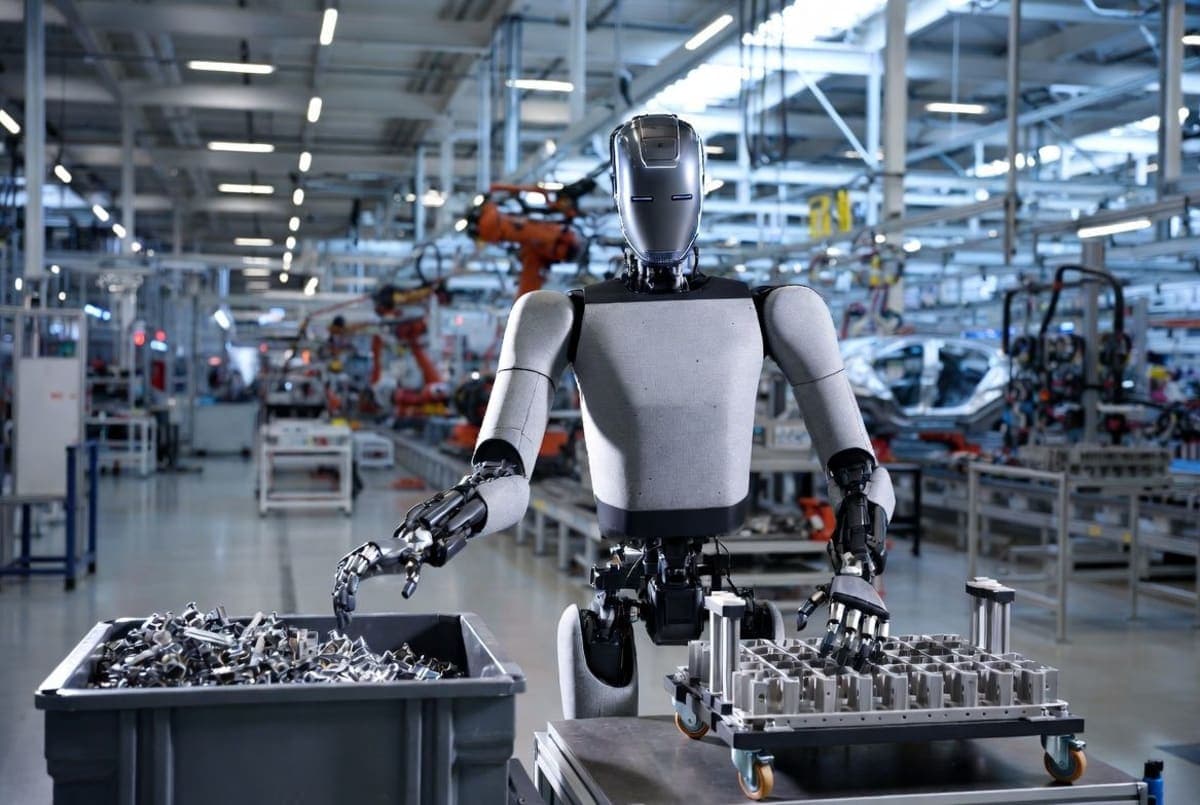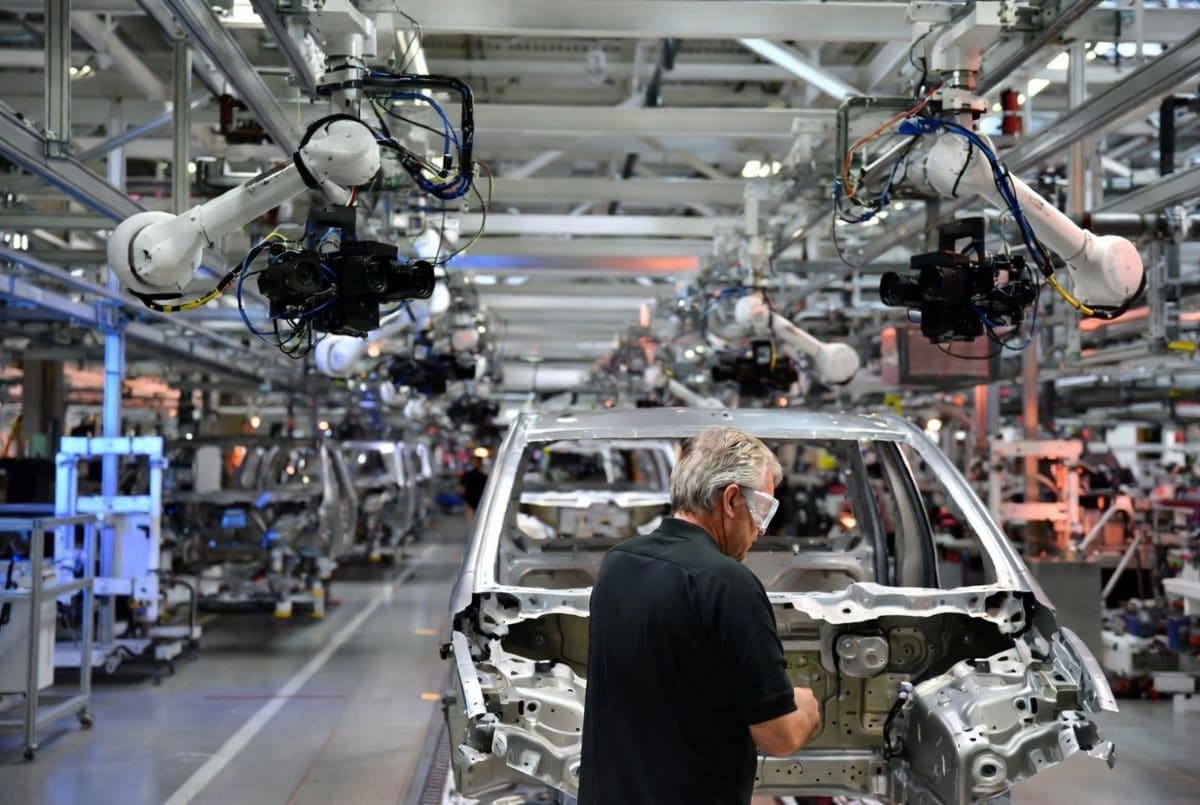
Ford spent three years quietly hiring back about 350 veteran engineers after its automated quality systems failed to catch the defects the company expected them to. Executives laid out the reversal on a press call the week of June 24, tied to Ford topping the JD Power Initial Quality Study among mainstream brands for the first time since 2010.
What went wrong
The short version, straight from the person who owns it: the machines weren't trained on the right stuff. "Mistakenly, we thought that by just introducing artificial intelligence and ingesting the design requirements that we had, that would produce a high-quality product," Charles Poon, Ford's VP of vehicle hardware engineering, told reporters, per TechCrunch. It's a strikingly blunt admission for a Fortune 500 exec, and Ford clearly decided owning the mistake played better than burying it.
The problem wasn't really the AI. It was timing. Many of Ford's most experienced engineers had already walked out the door before anyone captured what they knew, which meant the quality tools were being trained on incomplete data by people who didn't have the same instincts. COO Kumar Galhotra told Bloomberg the company had been relying more and more on automated systems with disappointing results.
The gray beards come back
So Ford went and got them. The rehired engineers, internally nicknamed "gray beards," now run mandatory weekly design reviews and act as internal auditors, hunting for failure points before a blueprint ever reaches the factory floor. They're also retraining the machine-learning systems and mentoring junior staff, which is the part that matters long term. You can't clone a 20-year technician who diagnoses a problem by sound.
Ford frames the count at roughly 350 people hired, rehired, or promoted over three years, though some coverage rounds it to 300. In a company that has shed thousands of salaried roles since 2020, it's a small number carrying a lot of narrative weight.
Did it actually work?
The quality numbers moved, and moved hard. Ford jumped from 10th among mainstream brands in last year's JD Power survey to first this year, landing above Toyota and Honda, with only Porsche and Genesis ranking higher overall. The F-150, Super Duty, and Mustang each topped their categories. That's a dramatic swing for a survey that measures problems in the first 90 days of ownership, and swings that size usually reflect real operational change rather than a marketing refresh.
Here's the catch worth sitting with. Ford is still the most recalled automaker in America and expects around $1 billion in warranty and materials costs this year. Galhotra called recalls a "lagging indicator," which is true, but it's also exactly what you'd say if the good headline number and the bad reality number were pointing in opposite directions. CEO Jim Farley says lower warranty and recall spending is worth "hundreds and hundreds of millions of dollars" in cost tailwind, a figure that's hard to independently check on a press call.
Ford isn't abandoning AI. It reportedly added more than 100,000 new automated tests to stress its software systems. The lesson Ford is selling is narrower than "AI failed," and closer to: you can't fire the people who know things and expect the model to know them instead.
JD Power's next Initial Quality Study lands in mid-2026, and that's the number to watch. If Ford holds the top spot with newer vehicles making up more of the fleet, Galhotra's lagging-indicator argument holds. If the recall figures don't come down, it doesn't.