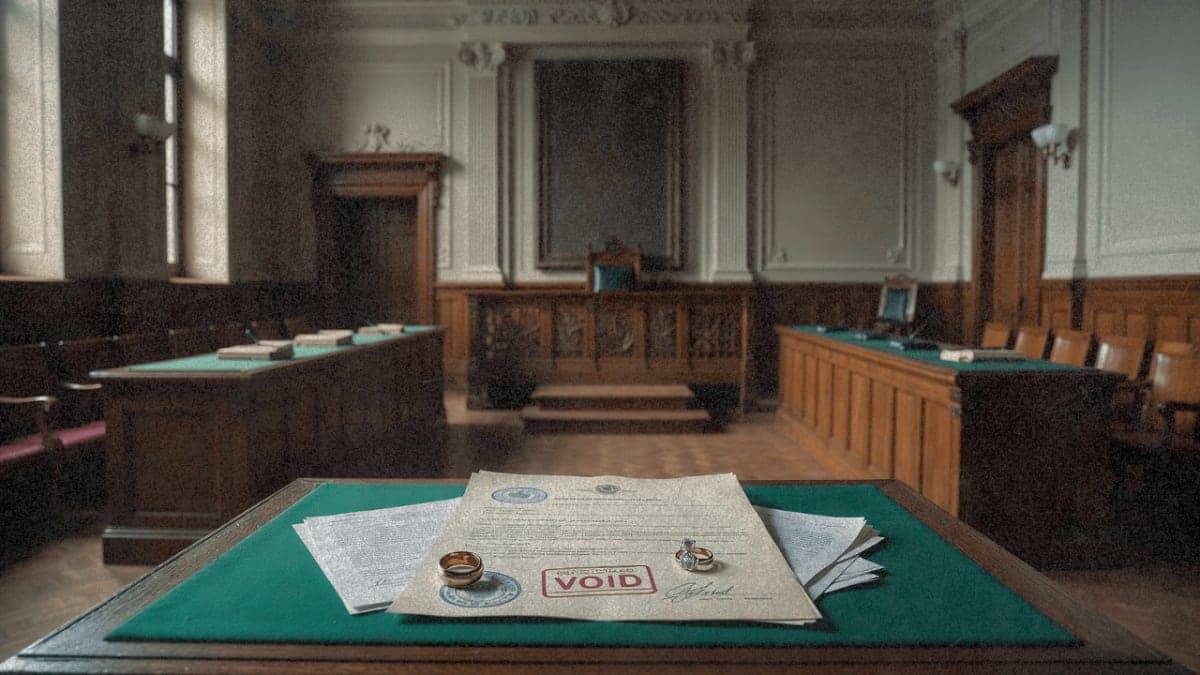
So here's a story that's either a warning about AI or about reading the manual. A couple in Zwolle, Netherlands asked a friend to officiate their wedding on April 19, 2025. The friend, serving as what the Dutch call an "eendagsbabs" (a one-day civil registrar), wanted to keep things light. Turned to ChatGPT for help writing the ceremony. And now, according to a court ruling issued January 7, 2026, they're not actually married.
The problem wasn't that the ceremony was AI-generated. It was that ChatGPT apparently didn't know Dutch marriage law.
What the law actually requires
Under Article 1:67 of the Dutch Civil Code, couples must explicitly declare before a registrar that they accept each other as spouses and will fulfill all duties the law connects to marriage. It's specific language, and it's not optional.
What the couple actually said, per the court documents: "Do you promise that today, tomorrow, and all the days to come, you will stand by [name]? To laugh together, grow together, and love each other, whatever life brings?"
Nice sentiment. Not legally valid.
The friend then declared them "not only husband and wife, but above all, a team, a quirky couple, each other's love, and each other's home."
Again: charming, but the court noted this isn't what the statute says. The required declaration about fulfilling legal duties? Never happened.
The part that makes this worse
There was a municipal civil registrar present at the ceremony. This is standard procedure when someone uses an eendagsbabs. Their job is essentially quality control.
The couple's lawyers pointed this out. The official was right there. Said nothing. Let the ceremony proceed. The couple reasonably assumed everything was fine.
The court's response: sympathetic but unmoved. The law is the law. The couple asked if they could at least keep their original wedding date for the official record, since April 19th had special significance to them. The judge said no to that too.
How it unraveled
The municipality discovered the problem after the fact and flagged it to prosecutors. The public prosecution office reviewed the materials and decided they needed a judicial ruling, which they got this week.
The couple filed a petition in August arguing they shouldn't be held responsible for their friend's mistake, especially when a city official was present and didn't intervene. Didn't work.
The marriage certificate has been removed from the civil registry and the national personal records database. They'll need to get married again.
The AI angle, sort of
Coverage of this case has predictably focused on the ChatGPT element, and sure, it's a good hook. But the actual failure here is pretty mundane: someone didn't know the script for a legal ceremony and didn't check. You could make the same mistake with a Google search or by just winging it.
What ChatGPT did was generate plausible-sounding wedding language that missed a technical legal requirement. Which is exactly the kind of thing these models do. They produce fluent text that sounds right but may not be. The friend probably should have googled "Dutch wedding ceremony legal requirements" instead of asking an AI to be creative.
The court ruling doesn't actually care that AI was involved. It cares that the declaration wasn't made.