OpenAI says 40 million people consult ChatGPT about health concerns daily, according to a company report released in January 2026 titled "AI as a Healthcare Ally." The number would represent roughly 5% of all ChatGPT conversations globally. Seven in ten of those health-related chats happen outside normal clinic hours.
The figure sounds enormous, and it probably is. But the methodology behind it matters, and OpenAI doesn't share much detail on how they're counting. Are follow-up messages in the same conversation counted separately? Does asking about a headache after discussing work stress count as a "health consultation"? The report doesn't say.
What people actually ask about
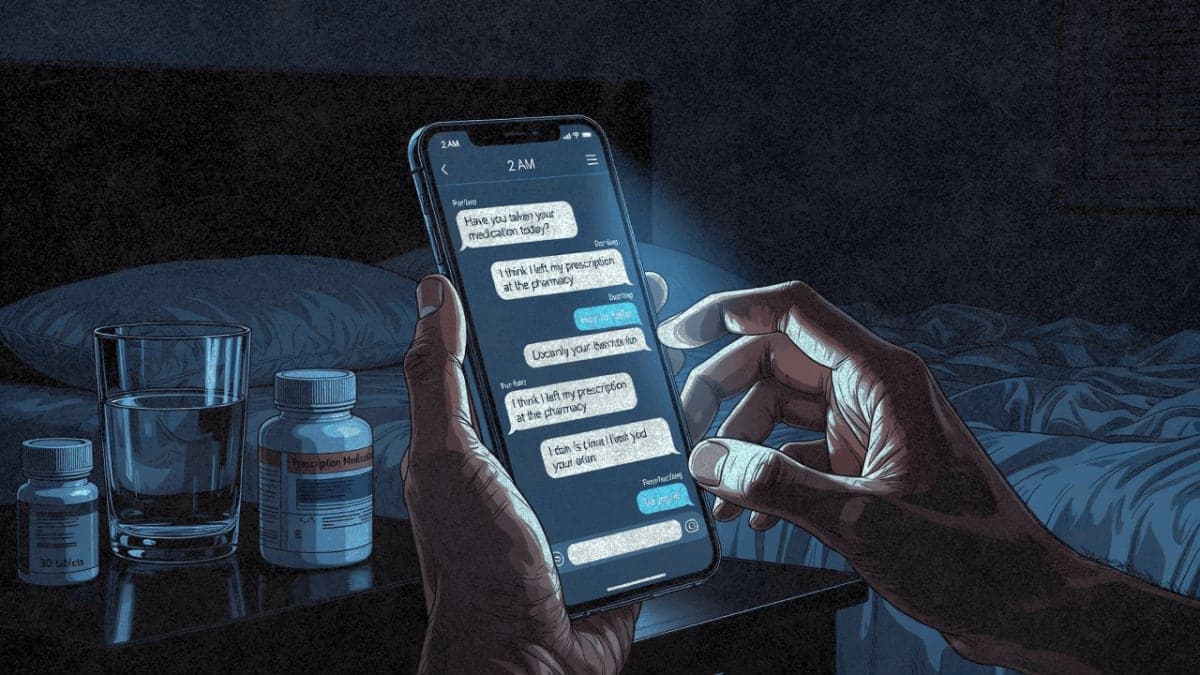
Three categories dominate the health conversations, per OpenAI's breakdown. Symptom checking tops the list at 55%, which makes intuitive sense. People want to know if their chest tightness is anxiety or something worse before they commit to an ER visit at 2 AM.
Medical jargon translation comes second at 48%. This one's harder to argue with as a use case. Discharge summaries read like they were designed to confuse patients, full of abbreviations and clinical language that nobody explained. If ChatGPT can turn "Pt presents with acute exacerbation of COPD with hypoxemia" into plain English, that's genuinely useful.
Treatment research rounds out the top three at 44%. People want to understand what their doctor prescribed, or they're hunting for alternatives. Whether this leads to better-informed patients or more WebMD-style anxiety spirals probably depends on the person.
The after-hours problem
That 70% figure for off-hours usage reveals something interesting about why people turn to AI for health questions in the first place. It's not necessarily that they prefer a chatbot to a doctor. It's that the doctor's office is closed.
Primary care has an access problem that predates AI. Getting a same-day appointment with your physician is impossible in many parts of the country. Urgent care fills some gaps but costs more and often means waiting anyway. Telehealth helped during COVID, but many providers have scaled back.
So people do what they've always done: they look up their symptoms online. The difference now is that the interface talks back and sounds confident.
The "co-pilot" framing
OpenAI's report leans heavily on positioning AI as a physician's assistant rather than a replacement. The company claims doctors use ChatGPT to cut administrative work by 40% and to cross-reference rare diagnoses. Both claims are plausible but unverified. No peer-reviewed studies are cited.
The framing is strategically smart. Healthcare AI faces significant regulatory and liability questions that OpenAI would rather not answer directly. If the chatbot is just helping doctors do their jobs better, that's easier to defend than if it's practicing medicine on 40 million patients a day.
But the usage data tells a different story. Those millions of after-hours conversations aren't happening with a physician present. People are asking ChatGPT health questions because they need answers and don't have a doctor available. That's not a co-pilot relationship. That's primary care by proxy.
The rural factor
The report highlights "medical deserts" as a key use case, referencing areas where the nearest hospital is 30 minutes or more away. For these communities, ChatGPT may be the most accessible source of health information available at any hour.
This cuts two ways. On one hand, some medical guidance is better than none when you're genuinely isolated from care. On the other, the people most likely to rely on AI health advice are also those with the least access to follow-up care if the AI gets something wrong.
Rural health access has been deteriorating for years as hospitals close and physicians concentrate in metropolitan areas. AI won't fix the underlying economics driving that consolidation. It might just make the situation more tolerable while nothing structural changes.
What's missing from the numbers
OpenAI doesn't report on outcomes. We don't know how many of those 40 million daily conversations led to people seeking appropriate care versus delaying treatment versus pursuing unnecessary interventions. Without that data, the headline number is impressive but meaningless for evaluating whether this trend is good for public health.
The company also doesn't address accuracy rates for health-related responses. ChatGPT can hallucinate with confidence, and medical misinformation carries different stakes than getting a recipe wrong. Studies on AI chatbot medical accuracy have shown mixed results, with performance varying widely by specialty and question type.
The report's silence on these points is telling. OpenAI wants to emphasize the scale of healthcare adoption without accepting accountability for healthcare outcomes.
What happens next
The FDA hasn't weighed in on chatbots providing health information at this scale. Neither has the FTC. OpenAI's terms of service explicitly disclaim medical advice, which provides legal cover but doesn't change user behavior.
Health systems are watching. Some see an opportunity to integrate AI into patient communication and reduce administrative burden on staff. Others worry about liability exposure if they officially recommend tools they can't control.
For now, 40 million people will keep asking ChatGPT about their symptoms tonight. Most will be fine. Some will get bad advice. And the healthcare system will continue pretending this isn't happening until something forces the conversation.