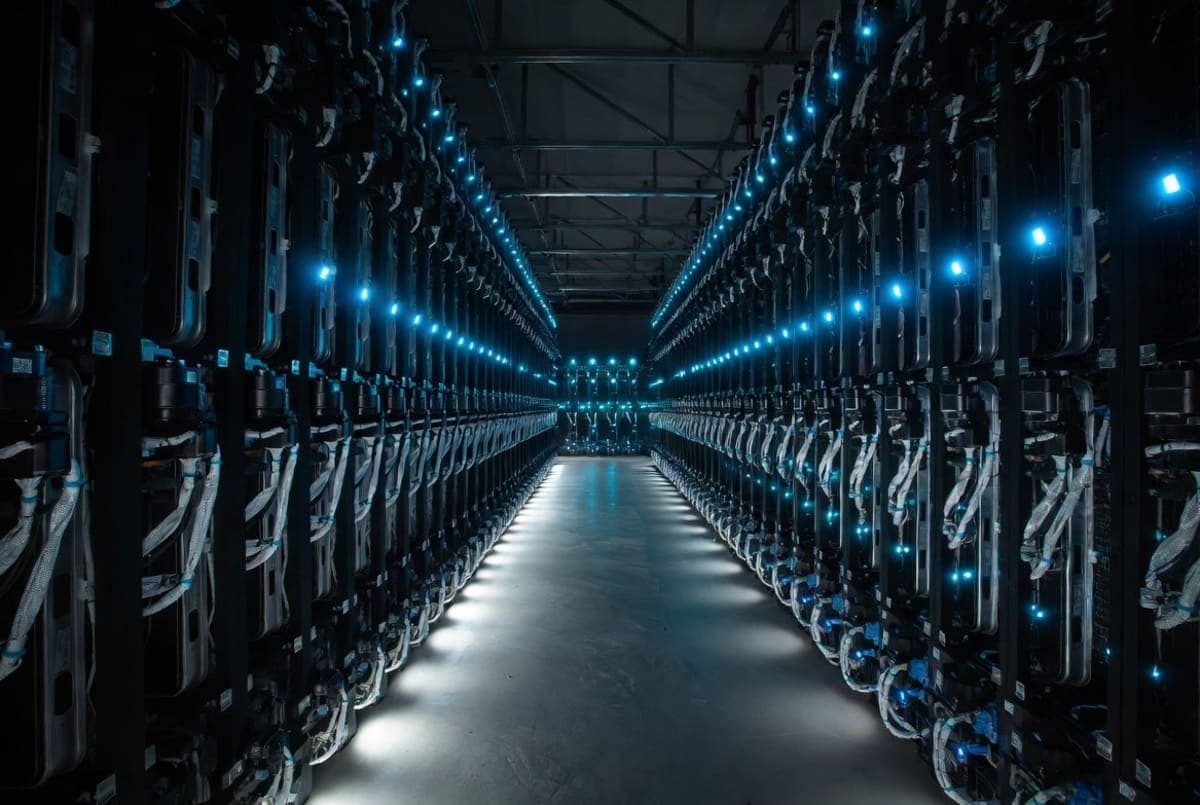
Microsoft, Amazon, and Google have committed a combined $67.5 billion to Indian investments since October, with roughly 80% of that total announced in December alone. The bulk of the money will fund massive data centers designed to power AI workloads at a scale India has never seen.
The numbers, and what's missing from them
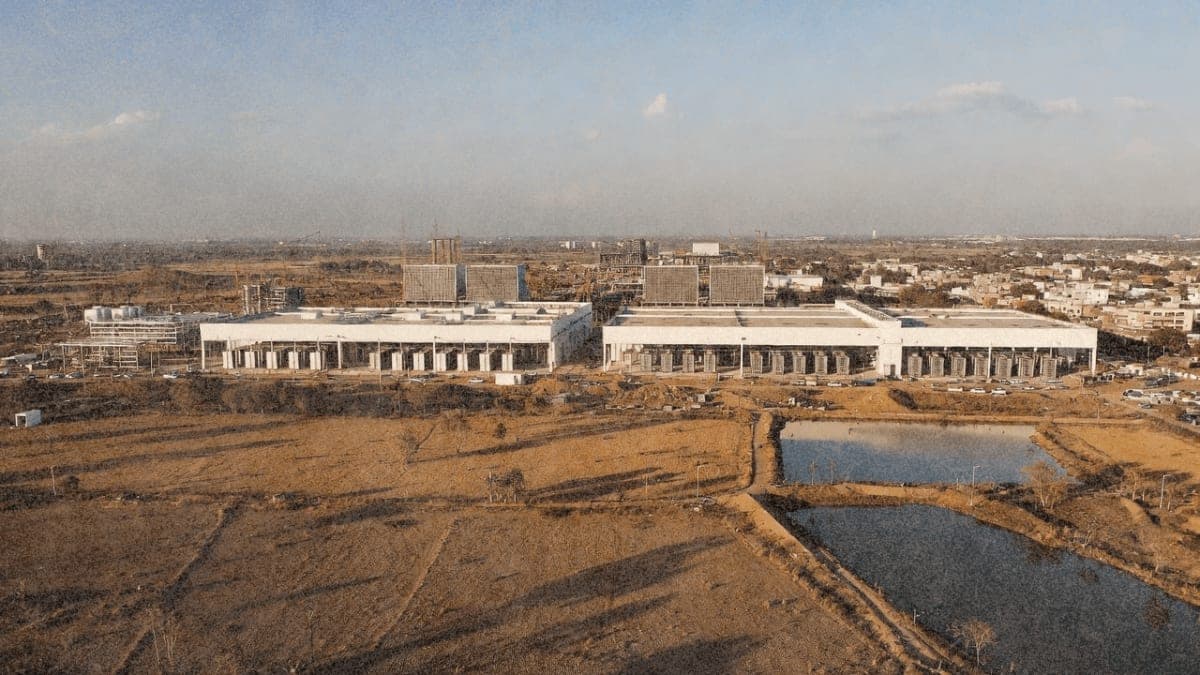
Microsoft's $17.5 billion pledge, announced December 10 after CEO Satya Nadella met with Prime Minister Narendra Modi, is the company's largest infrastructure bet in Asia. The investment spans four years and includes a new data center region in Hyderabad expected to open by mid-2026. Microsoft describes the Hyderabad campus as roughly the size of two Eden Gardens cricket stadiums, which sounds impressive until you realize that's a marketing comparison, not a capacity specification.
Amazon followed with $35 billion earmarked through 2030, building on $40 billion the company claims it has already invested in India since 2010. Google's $15 billion, announced in October, will fund a gigawatt-scale data center campus in Visakhapatnam, Andhra Pradesh, developed in partnership with the Adani Group.
What none of these announcements adequately address is water. Data center water use in India is expected to more than double from 150 billion litres in 2025 to 358 billion litres by 2030, according to projections cited by The Business Standard. Most of these facilities are being built in urban clusters like Mumbai, Hyderabad, Chennai, and Bengaluru, which are already struggling to meet existing water demands.
Why India, and why now
The timing is not coincidental. Singapore, long Asia's premier data center hub, imposed a moratorium on new facilities from 2019 to 2022 over sustainability concerns. Even after lifting restrictions, Singapore has been more selective, awarding only about 80 MW of new capacity through a pilot program in 2023. Land constraints and energy limits mean it cannot keep pace with AI-driven demand.
India offers what Singapore cannot: abundant land, relatively cheap power, and a government eager to roll out the red carpet. Power costs in India are among the lowest globally, after China. The country also has a massive pool of technical talent, over a billion internet users, and growing domestic demand for cloud services. For hyperscalers racing to deploy AI compute capacity, it's an obvious target.
"India is entering a sweet spot where global cloud providers, AI players, and domestic digitalization all converge to create one of the world's hottest data center markets," said Deepika Giri, associate vice president and head of research at International Data Corporation.
That's the optimistic read. A more skeptical interpretation: Big Tech is finding places to build infrastructure that won't say no.
The water problem nobody wants to discuss
Sahana Goswami, a water researcher at WRI India, put it bluntly in an interview with The Business Standard: "Water use does not figure prominently in any of these policy groups, and is a significant blind spot that places high risk on the long-term functioning of these centres."
An S&P Global study estimates that 60-80% of India's data centers will face high water stress this decade. India has 18% of the world's population but only 4% of its freshwater resources. Building water-intensive infrastructure in already strained regions seems, at minimum, shortsighted.
Google's Visakhapatnam project has drawn particular scrutiny. The coastal city is already water-scarce, and advocacy groups have raised concerns about diverting public water resources for private infrastructure. Google has pledged to work on clean energy and sustainability initiatives, but the company hasn't published specific water consumption targets for the facility.
The transparency problem extends across the industry. A review by Down To Earth magazine of ESG reports from India's top data center operators found "a consistent and troubling pattern: a pervasive lack of transparency in how these firms report their water use."
The government's awkward position
India's public investment in AI is dwarfed by what American companies are pledging. The government's IndiaAI Mission, approved by Cabinet in March 2024, allocated roughly Rs 10,371 crore (about $1.2 billion) over five years. For context, that's less than 2% of what Microsoft, Amazon, and Google have committed in just the past few months.
The mismatch creates a lopsided dynamic. Foreign tech giants will own and control the infrastructure that India's AI future depends on. Whether that arrangement serves India's long-term interests is a question that seems to be getting lost in the enthusiasm over headline investment figures.
Prime Minister Modi has embraced the announcements enthusiastically. After the Microsoft deal, he posted on X: "When it comes to AI, the world is optimistic about India! The youth of India will harness this opportunity to innovate and leverage the power of AI for a better planet."
That's the political framing. The engineering reality is messier.
What happens next
Google expects to begin construction on its Visakhapatnam campus in early 2026, with completion within two and a half years. Microsoft's Hyderabad region should come online by mid-2026. Amazon hasn't provided specific timelines for its expanded investments.
Meanwhile, data center power demand in India is projected to grow from 0.5-1% of total electricity consumption to as much as 3% by 2030, according to a Nomura study. There's no regulation currently mandating that data centers use renewable energy, though industry groups and researchers are pushing for such requirements.
"In the end, we need to ensure that one good is not sacrificed for another," said Nidhi Garg of the International Institute for Sustainable Development.
That's a diplomatic way of saying India risks trading environmental sustainability for digital ambition. Whether it's a trade worth making depends on who's counting the costs, and who isn't being asked to pay them.