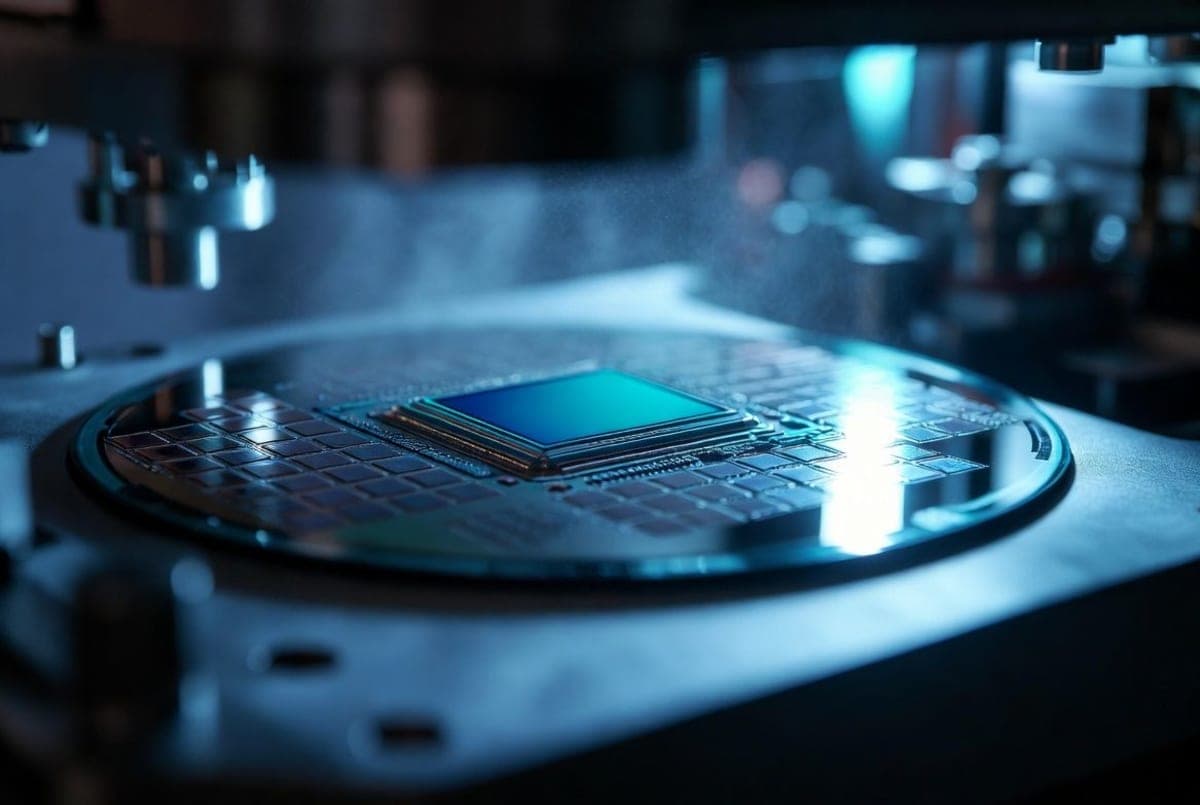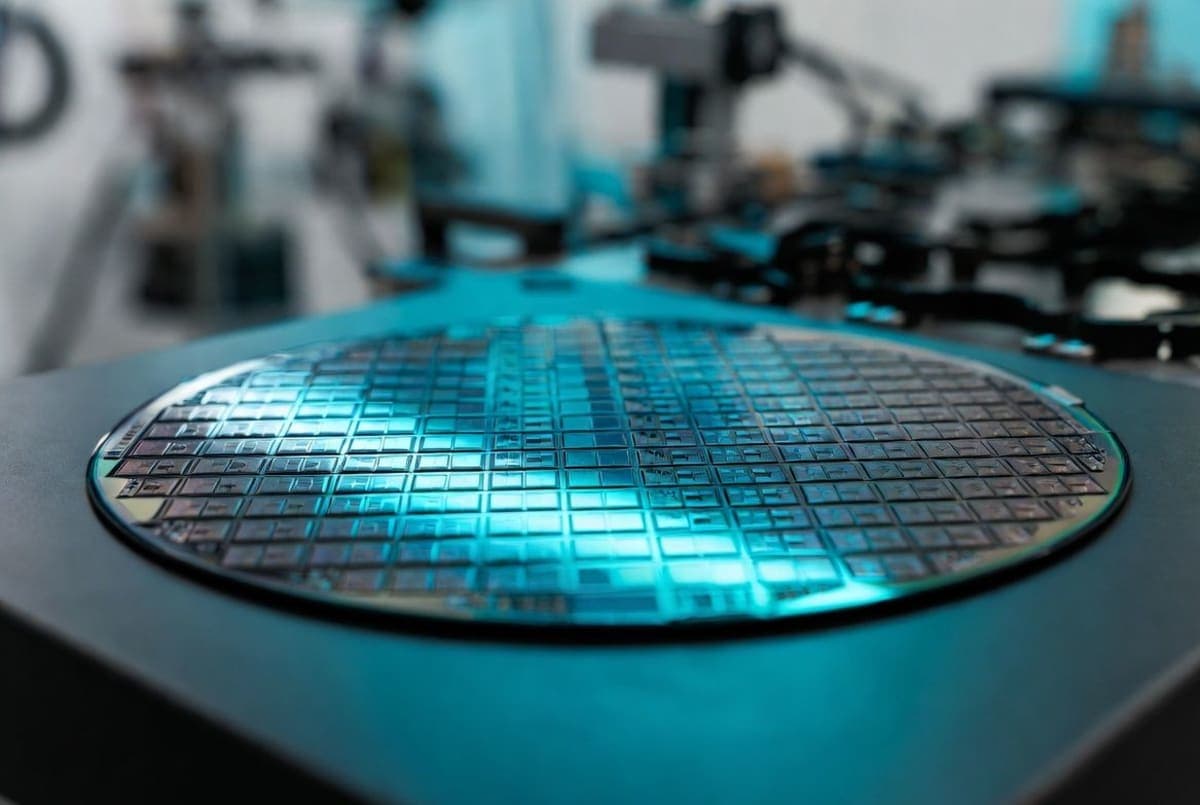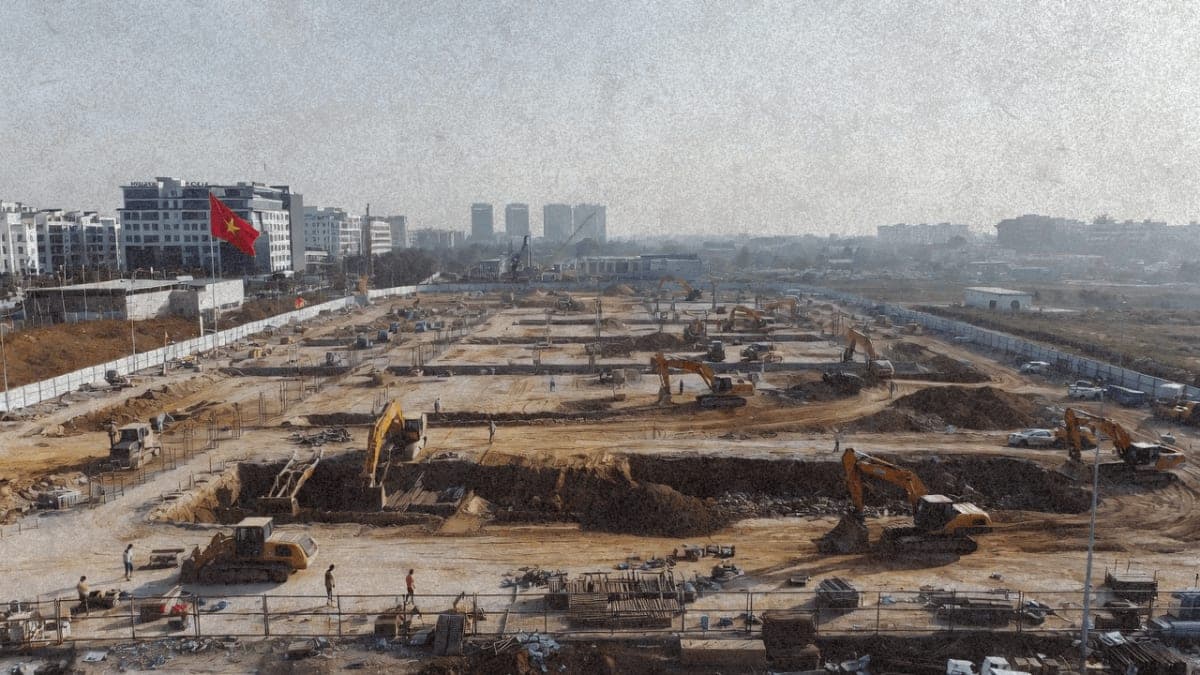
Vietnam's state-owned Viettel Group began construction on the country's first domestic chip fabrication plant on January 16 at Hoa Lac Hi-Tech Park outside Hanoi. Party General Secretary To Lam and Prime Minister Pham Minh Chinh attended the ceremony.
The 27-hectare facility represents a government-backed effort to move Vietnam beyond its current role as an assembly and packaging hub. Viettel, which operates under the Ministry of National Defense, plans to complete construction and begin trial production of 32-nanometer chips by the end of 2027.
What the plant actually does
Vietnam already hosts major semiconductor operations from Intel, Amkor, and Hana Micron, but all of them focus on packaging and testing. Actual chip fabrication has never happened on Vietnamese soil. This facility closes that gap, at least on paper.
Viettel CEO Tao Duc Thang laid out the timeline at the groundbreaking: construction and technology transfer through 2027, then process optimization from 2028 to 2030. The 32nm process node is mature technology by industry standards, roughly where Intel sat around 2010. But for a country building its first fab from scratch, starting with proven processes makes sense.
The official announcement frames the plant as national infrastructure for aerospace, telecommunications, IoT, automotive, and medical device manufacturing. Defense applications went unmentioned in the press release but are certainly part of the picture given Viettel's military ownership.
The money behind it
The Vietnamese government approved approximately $500 million for this project back in March 2025, with the state covering up to 30% of costs if completion happens before the end of 2030. That funding structure suggests Viettel isn't building this alone, though the company hasn't disclosed technology transfer partners or equipment suppliers.
For context, $500 million builds a modest mature-node fab. TSMC's Arizona facility, targeting far more advanced nodes, carries a $40 billion price tag. Vietnam isn't trying to compete with Taiwan or South Korea on cutting-edge chips. The goal is establishing baseline capability.
The government sweetened the deal with tax incentives allowing semiconductor companies to retain 20% of taxable income for reinvestment. Land allocation bypassed public auction, speeding up the process.
Why this matters for Vietnam's semiconductor ambitions
Vietnam has been aggressively courting chip companies looking to diversify away from China. According to SEMI, the country now hosts 174 foreign semiconductor-related projects worth nearly $11.6 billion combined. Intel runs its largest global packaging plant in Ho Chi Minh City. Amkor's $1.6 billion Bac Ninh facility processes 3.6 billion chips annually.
But all of that is backend work. The Viettel fab represents Vietnam's first attempt at the most complex part of chipmaking.
Prime Minister Chinh called the groundbreaking a shift from "participation to ownership and from assembly to innovation." Whether that's aspirational rhetoric or achievable strategy depends largely on execution over the next four years.
Vietnam's national semiconductor strategy targets 50,000 trained chip design engineers by 2030 and a 100,000-person semiconductor workforce by 2040. The Hoa Lac plant will reportedly double as a training facility connecting education with production.
The skeptic's view
Several obstacles remain unaddressed. Vietnam still struggles with power supply stability, a critical issue for fabs that require uninterrupted electricity. The country lacks domestic suppliers for semiconductor raw materials and fabrication equipment. And the talent pipeline, while growing, isn't deep.
Regional competition is also intensifying. Malaysia, Singapore, and India are all chasing the same supply chain diversification money. Vietnam's cost advantage erodes as it moves up the value chain.
The 32nm process, while a reasonable starting point, is several generations behind current leading-edge production. Bridging that gap requires sustained investment over decades, not years.
Whether Vietnam can transform from reliable backend partner to actual chipmaker remains an open question. The groundbreaking ceremony was the easy part.
Trial production begins late 2027. Full process optimization continues through 2030.