Utopai Studios rolled out PAI 2.0, the second version of its generative video platform, less than three months after the first one shipped. The company introduced PAI in March, pitching it as a single workspace where users generate, edit, and produce short videos without juggling separate AI tools. Coverage of the launch ran in Variety.
The headline numbers come from Utopai itself. The company says PAI is now pulling $11 million in annual recurring revenue, a figure that isn't independently verified. It's targeting marketing agencies and creators who want to make their own video content.
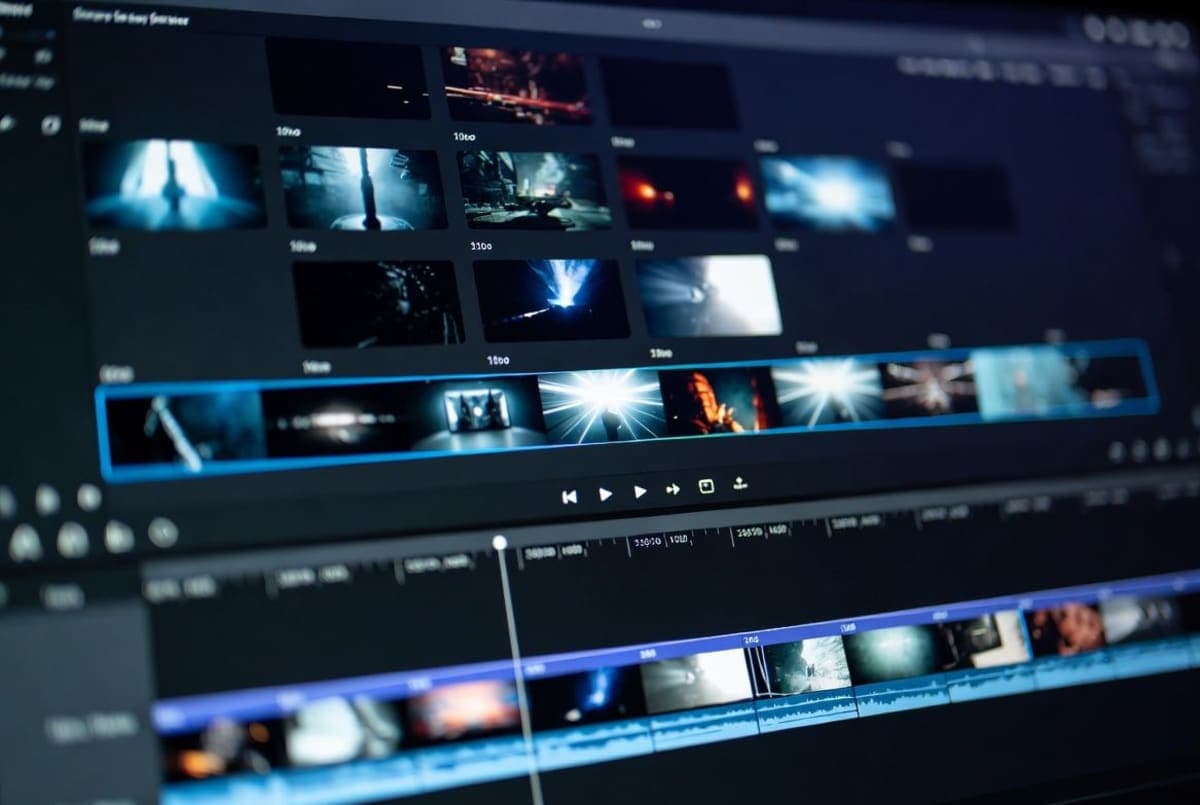
The new version adds rapid variant generation, 2x2 keyframes for each 15-second segment, and native 4K output, all aimed at producing longer videos that hold together. PAI 2.0 now splits into Easy Mode and Pro Mode, with Pro users getting a Canvas workspace to organize and re-edit clips.
"A 'Claude Code moment' for media generation," is how chief scientific officer Zijian He framed the goal in a statement. Bold framing for a platform still measured in one-minute clips. He argued that faster isolated clips aren't enough for real filmmaking, and that PAI 2.0 is built to preserve narrative context across longer sequences.
Existing PAI users can migrate at a reduced rate before the 1.0 version expires on July 2. Monthly, annual, and business plans for 2.0 are coming, though pricing wasn't disclosed.
Bottom Line
PAI 1.0 expires July 2, and existing users can move to the 2.0 version at a reduced subscription rate before then.
Quick Facts
- Product: PAI 2.0, Utopai Studios' generative video platform
- Revenue: $11M annual recurring (company-reported, unverified)
- First version debuted in March 2026
- PAI 1.0 expires July 2, 2026
- Output: native 4K, 15-second segments, 2x2 keyframes