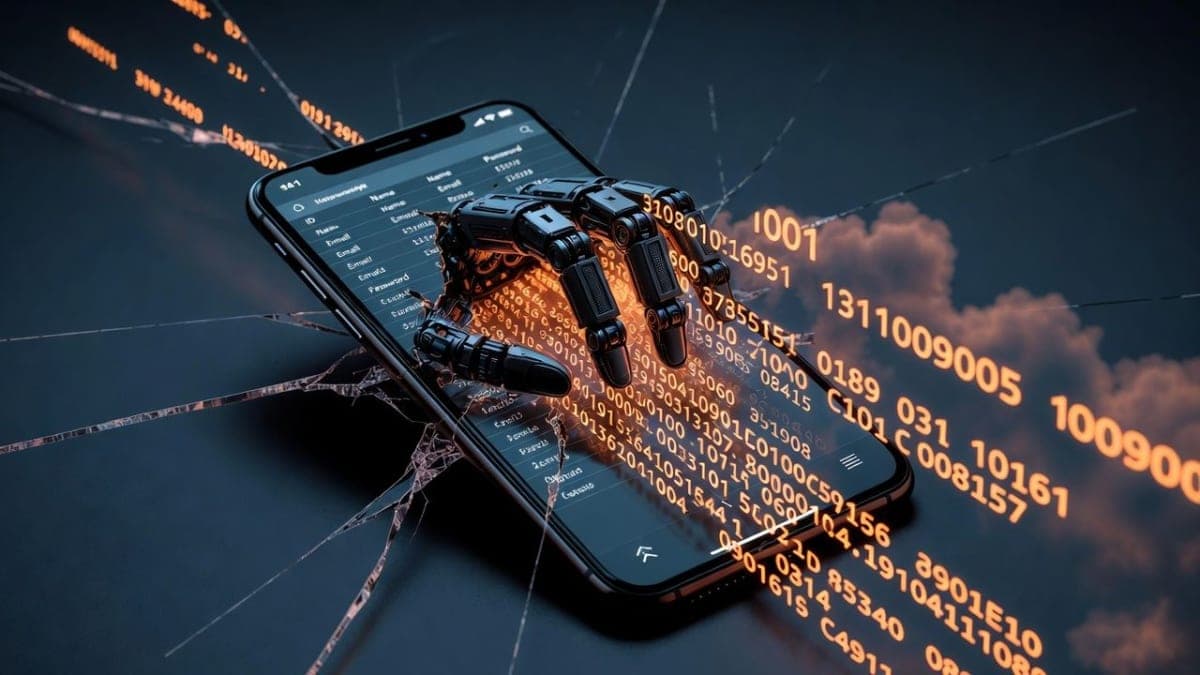
Samsung is interested in letting Galaxy owners vibe code their phones. That is, use natural language prompts to generate custom apps and tweak the interface on the fly. Won-Joon Choi, who runs Samsung's mobile experience division, told TechRadar the concept is "very interesting, and something we're looking into."
That's it. That's the announcement.
There's no prototype, no demo, no timeline. What we have is a senior exec at the world's largest Android manufacturer expressing enthusiasm about a trend that, to be fair, has been gaining real traction elsewhere. The question is whether Samsung is genuinely building something or just making sure reporters know they've heard of vibe coding.
What Choi actually said
The full quote is worth sitting with. Choi described the "possibility of customising your smartphone experience in new ways, not just your apps but your UX," adding that users are currently "limited to premade tools, but with vibe coding, users could adjust their favorite apps or make something customized to their needs." The mention of UX is what makes this interesting. If Samsung only meant generating standalone mini-apps, that would be one thing. Adjusting UX logic on the fly, changing how the phone itself behaves based on a text prompt, is a considerably bigger idea.
But Samsung has customization DNA. The company's Good Lock suite has let power users reshape One UI for years, and Modes and Routines already offers "if this, then that" style automation. Vibe coding would be a step up from those, collapsing the gap between "I want my phone to do X" and actually having it happen, without navigating menus or writing Bixby routines.
Nothing got there first
Samsung isn't operating in a vacuum here. Nothing launched its Playground platform in beta on February 10, positioning it as the first step toward what the company calls Essential OS. The tool lets Nothing Phone 3 owners describe a widget in plain English and have AI generate it. You type "show me the best time to run based on my calendar and weather," and a working homescreen widget appears.
In practice, it is rough. Hands-on coverage from 9to5Google found that results varied wildly, with sizing issues, inconsistent outputs, and the kind of jankiness you'd expect from a beta built on prompt-generated code. Nothing itself admits many apps may "feel unfinished." And right now, these are homescreen widgets only, not full apps. The permissions are limited to location, calendar, and contacts.
Still, Nothing shipped it. Samsung hasn't.
The vibe coding land grab
The broader context matters. Andrej Karpathy coined "vibe coding" in a post on X back in February 2025, describing a workflow where you let the AI write code and just accept the output without reading it. He meant it for throwaway weekend projects. Thirteen months later, it is Collins Dictionary's Word of the Year for 2025, and companies are racing to productize the concept on mobile.
Gizmo, a TikTok-style feed of vibe-coded mini apps from startup Atma Sciences, caught enough attention that Meta just hired the entire team. On the iPhone side, an app called bitrig lets users build SwiftUI apps from their phone using prompts. Venture money is flowing in too: Wabi raised $20 million in a pre-seed round, and Reddit cofounder Alexis Ohanian led a $9.4 million seed into an app literally called Vibecode.
Samsung dropping the phrase "vibe coding" in an interview looks less like a product roadmap and more like making sure they're part of the conversation.
The hard part Samsung isn't talking about
Generating a weather widget from a prompt is one thing. Letting users modify UX logic on a phone with Samsung Pay credentials, health data, and enterprise Knox security is something else entirely. Choi's vision implies a sandboxing challenge that dwarfs what Nothing is dealing with. How do you let AI-generated code interact with the OS without opening up security holes? What happens when a vibe-coded routine conflicts with an enterprise MDM policy?
Samsung already ships on both Snapdragon and Exynos chipsets, each with different NPU capabilities. Running generative models on-device for code generation would require the newer, more powerful hardware. Whether this stays cloud-based (with the privacy trade-offs that implies) or targets specific flagship NPUs, we don't know. Because Samsung hasn't said.
And there's the quality problem. Anyone who has spent time with AI-generated code knows it works until it doesn't. Nothing's Playground demonstrates this neatly: you can get a serviceable widget in minutes, but getting it exactly right can take longer than just building the thing manually. Scale that up to UX-level modifications on a phone used by hundreds of millions of people, and the QA challenge gets real.
What comes next
Samsung's Galaxy S26 series just launched with a 39% more powerful NPU and new AI features like Now Nudge. The company has stopped calling its devices smartphones entirely, preferring "AI phones." In that context, saying you're "looking into" vibe coding is almost obligatory. The real signal will be whether anything shows up in Good Lock Labs or a One UI beta in the next six months. Until then, this is an exec interview, not a product announcement.