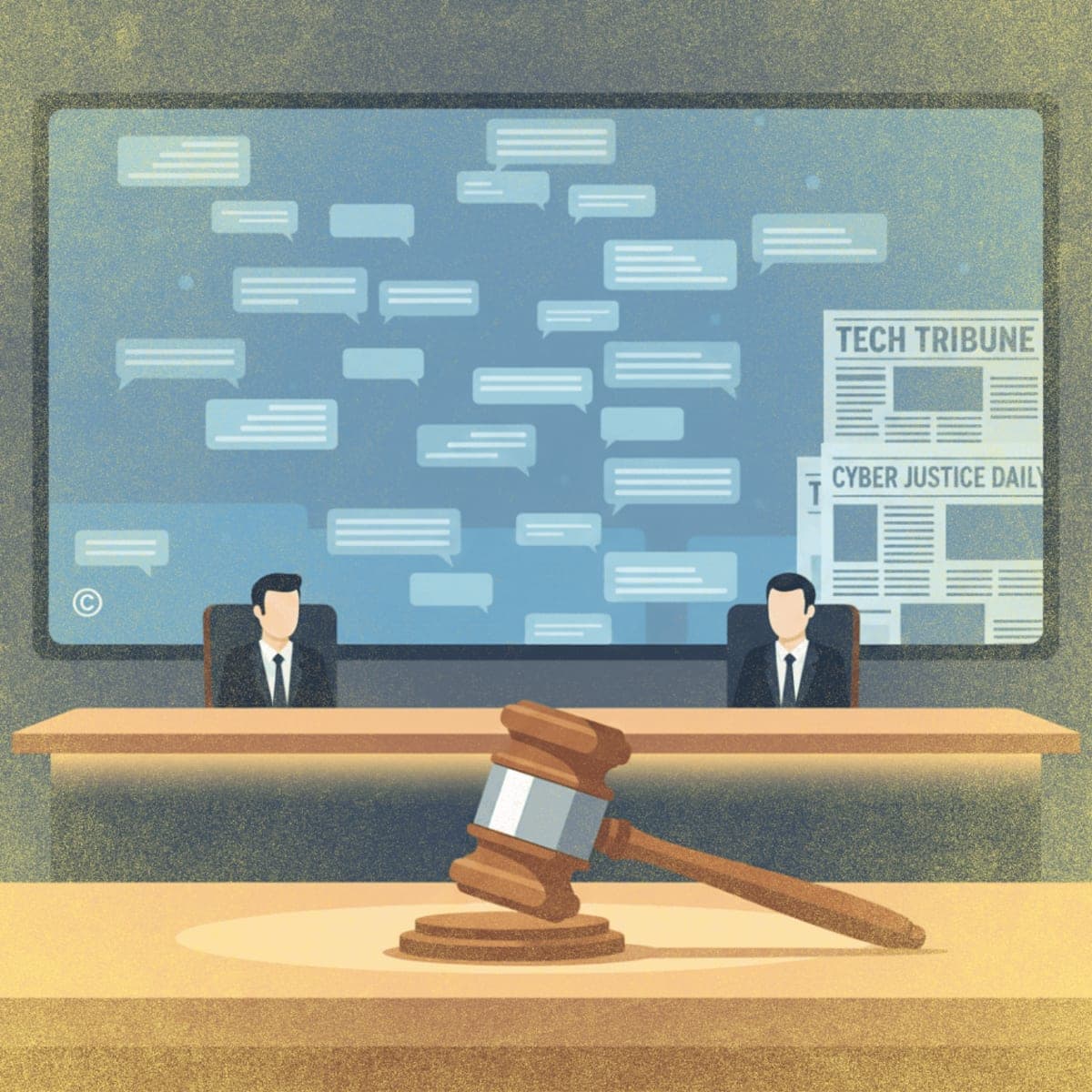
OpenAI must turn over 20 million anonymized ChatGPT conversations to The New York Times and other news organizations suing the company for copyright infringement. Manhattan Magistrate Judge Ona Wang denied OpenAI's request to reconsider her November ruling in a nine-page order made public Wednesday.
The news publishers want the logs to prove ChatGPT reproduces their copyrighted articles. Judge Wang found the AI conversations were "clearly relevant" to claims that they contain partial or complete reproductions of copyrighted works. The court also noted that OpenAI had withheld "critically important evidence" when first requested, with the judge suggesting OpenAI's delays may have been "motivated by an improper purpose."
OpenAI argued disclosure would expose private user conversations, but Wang wasn't convinced. The court emphasized that OpenAI's de-identification process would "reasonably mitigate associated privacy concerns." The 20 million sample represents less than 0.05% of the tens of billions of output logs OpenAI has retained. The company has seven days to comply after completing anonymization and has already appealed to District Judge Sidney Stein.
The Bottom Line: OpenAI faces its biggest discovery setback yet in the NYT case, and the ruling could reshape how AI companies handle copyright claims industry-wide.
QUICK FACTS
- Logs ordered: 20 million anonymized ChatGPT conversations
- Deadline: 7 days after de-identification is complete
- Judge: U.S. Magistrate Judge Ona Wang (Manhattan)
- Plaintiffs: NYT, Chicago Tribune, NY Daily News, Tribune Publishing, MediaNews Group
- Case origin: Lawsuit filed in 2023