OpenAI rolled out a beta self-serve Ads Manager this week, letting U.S. businesses buy ChatGPT ads directly instead of routing everything through holding companies. The platform, available at ads.openai.com, adds cost-per-click bidding to the existing impression-based model and drops the $50,000 minimum spend that gated the original pilot.
What changed
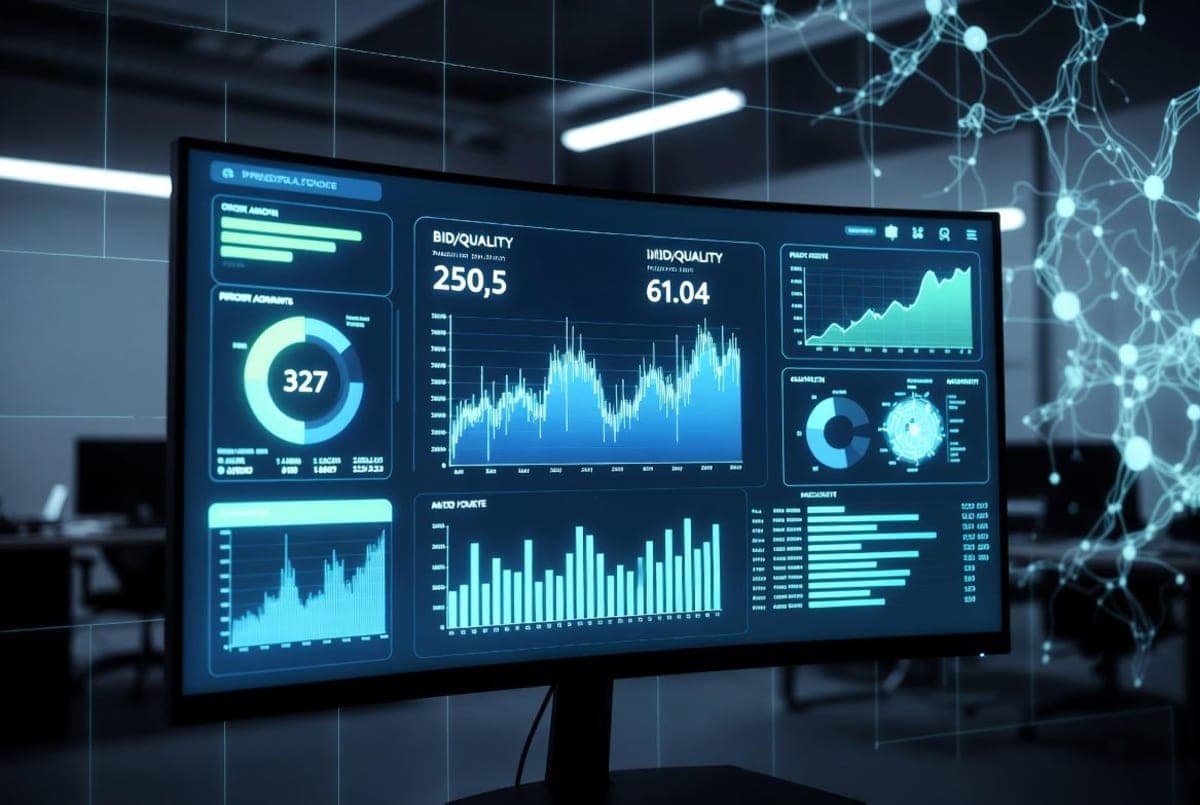
OpenAI's head of monetization Asad Awan briefed reporters Monday. His pitch: small advertisers no longer need an agency contract and a six-figure budget to put a campaign in front of ChatGPT users. Register at the portal, set budgets, upload creative, watch performance in a dashboard that looks like every other ad platform launched in the past decade.
Existing partner channels stay alive. Dentsu, Omnicom, Publicis, and WPP retain access for their clients, joined by ad tech firms Adobe, Criteo, Kargo, Pacvue, and StackAdapt. OpenAI says delivery decisions stay on its side; partners handle the buy.
CPC bidding matters more than the dashboard, honestly. The pilot ran on roughly $60 CPMs, comparable to NFL broadcast inventory, which is what you charge when you're rationing scarcity, not chasing performance budgets. Click pricing pulls ChatGPT closer to the Google and Meta playbook. A Conversions API and pixel tracking shipped in the same release, so advertisers have something to point at when justifying spend.
The $100 billion question
OpenAI told investors it expects $2.5 billion in ad revenue in 2026, climbing to $100 billion by 2030. The trajectory in between: $11 billion in 2027, $25 billion in 2028, $53 billion in 2029, then nearly doubling in the final year.
Take that with appropriate seasoning. The 2030 figure assumes 2.75 billion weekly users (a level only Google and Meta currently approach) and a mature ad business OpenAI has been running for less than a quarter. Its U.S. pilot did cross $100 million in annualized revenue six weeks after launching, which is a real number. It's also a sliver of the 2030 target.
The market it's chasing
eMarketer projects U.S. AI search advertising will grow from about $1 billion in 2025 to roughly $26 billion by 2029. Most of that growth gets split with Microsoft and Google, both of which have spent the past two years bolting AI onto products that already sell ads at scale. OpenAI is starting from a different place: a chatbot users mostly access free, where ads are a new and not-universally-loved guest.
Cost-per-action bidding and third-party measurement are next on the roadmap, though Awan didn't commit to a date or partners. The next public test comes when OpenAI expands eligible advertiser categories beyond its current short list of consumer goods, travel, local services, and digital products.