Elon Musk, the world's richest person with a net worth north of $700 billion, has some financial advice for the rest of us: stop worrying about retirement savings. Speaking on the Moonshots podcast with Peter Diamandis in early January, the Tesla and SpaceX CEO said AI and robotics would make the entire concept of saving money obsolete within two decades.
"Don't worry about squirreling money away for retirement in 10 or 20 years," Musk said. "It won't matter." Easy to say when you're a centibillionaire.
The pitch
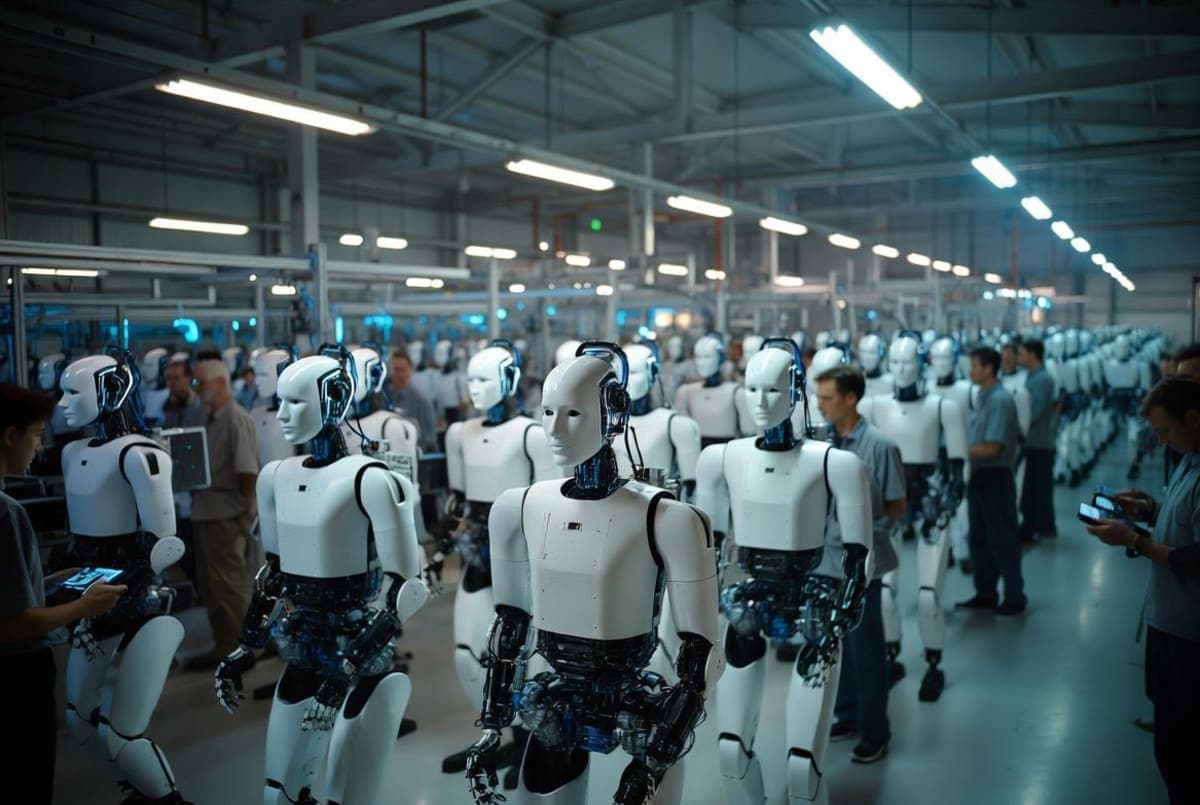
Musk's argument follows a familiar techno-optimist script. AI and robotics will create so much productive capacity that goods and services become practically free. He called the coming wave a "supersonic tsunami" and predicted AI will surpass the combined intelligence of all humans by 2030. In this world, people wouldn't get a universal basic income but what Musk called a "universal high income," where anyone could have "whatever stuff they want," including medical care better than anything currently available.
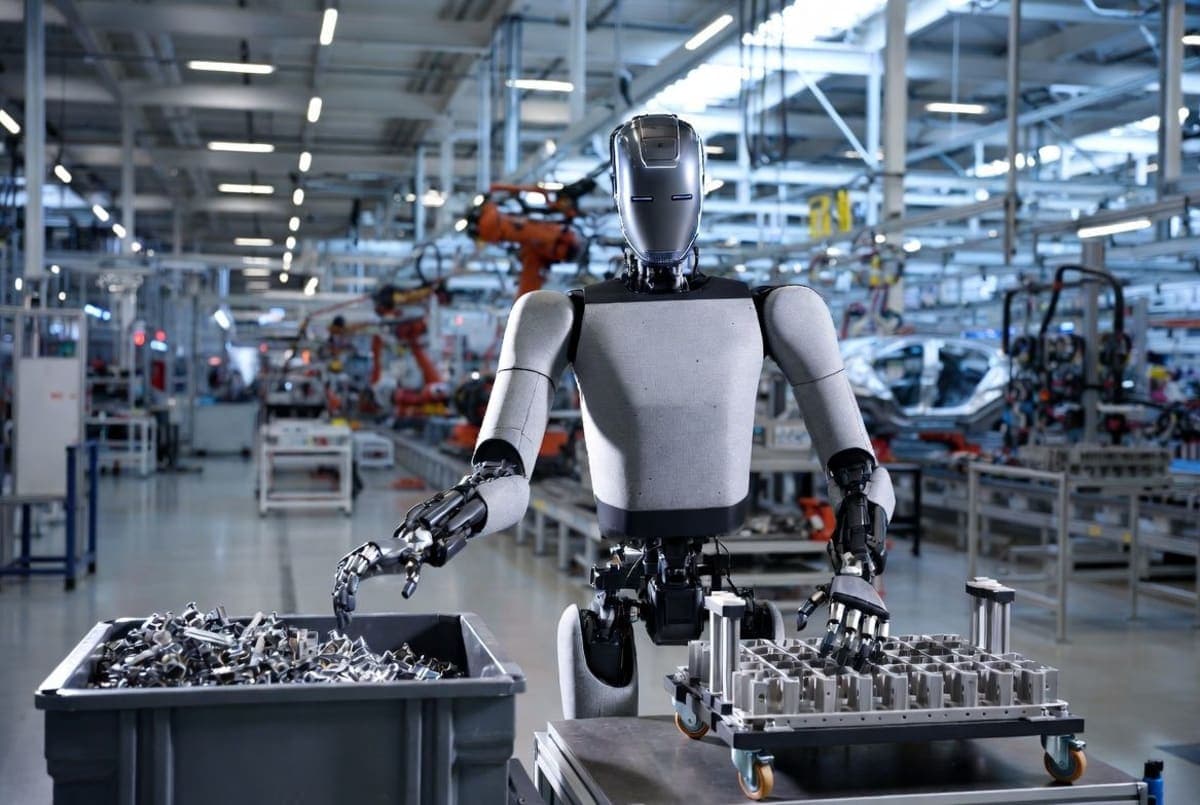
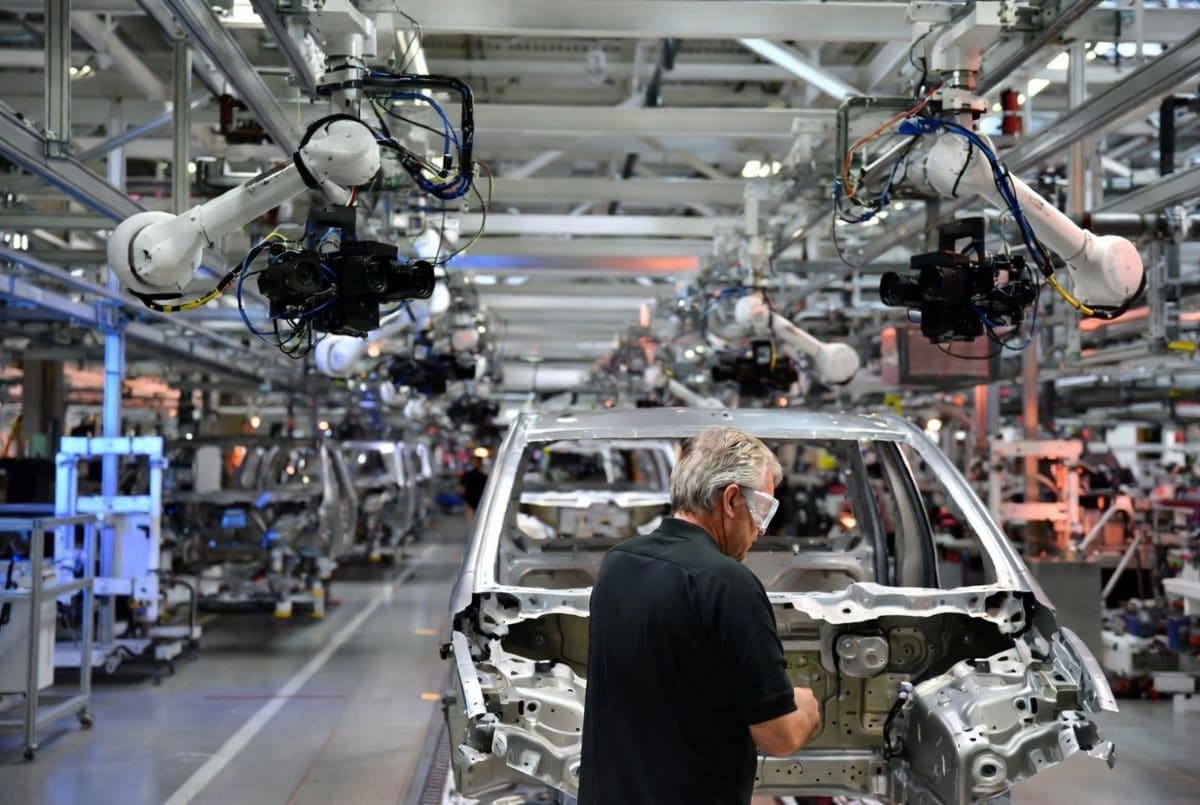
He went further during the nearly three-hour conversation, claiming AI could replace half of all white-collar jobs right now if companies would bother to implement it. "Anything short of shaping atoms, AI can do probably half or more of those jobs right now," he said, which is a bold claim that conveniently benefits his own companies: Tesla is building humanoid robots, xAI is building AI models, and SpaceX is, well, shaping atoms into rockets.
Who's actually struggling to save
The timing of Musk's advice is worth sitting with. According to the Federal Reserve's 2024 SHED survey, only 55% of American adults have a rainy day fund covering three months of expenses. That's down from 59% in 2021. Thirty percent of adults said they couldn't cover three months of expenses by any means at all. And just 35% of non-retirees thought their retirement savings were on track.
So when the man with more money than most countries tells working people to stop saving, there's a disconnect that no amount of AI optimism bridges. Musk acknowledged during the podcast that the transition might be "bumpy," with potential social unrest and a "crisis of meaning" as traditional work disappears. That's a lot of caveats buried under a headline-grabbing soundbite.
Why this keeps coming up
This isn't the first time Musk has floated this idea. At the U.S.-Saudi Investment Forum last November, he compared future work to hobby gardening: optional, done for enjoyment, not survival. The framing is consistent. Musk genuinely seems to believe abundance is coming fast enough to make financial planning irrelevant. He may even be right on a long enough timeline.
But as financial advisors have pointed out, this thesis requires three things to go perfectly: technology advancing on schedule (which it rarely does), wealth being broadly distributed (which technology revolutions historically don't do), and government systems adapting smoothly (which, well). Missing any one of those and you've got a generation of retirees with empty accounts and a lot of optimism. Compound interest doesn't care about your predictions. A 35-year-old who stops contributing to a 401(k) today and discovers in 2046 that the robots haven't quite arrived can't get those years back.
Musk's next big bet on this front is Optimus, Tesla's humanoid robot, which the company plans to produce at its Austin gigafactory. Whether it can actually replace the labor force is a question that will answer itself in the next few years. Until then, maybe keep funding the IRA.