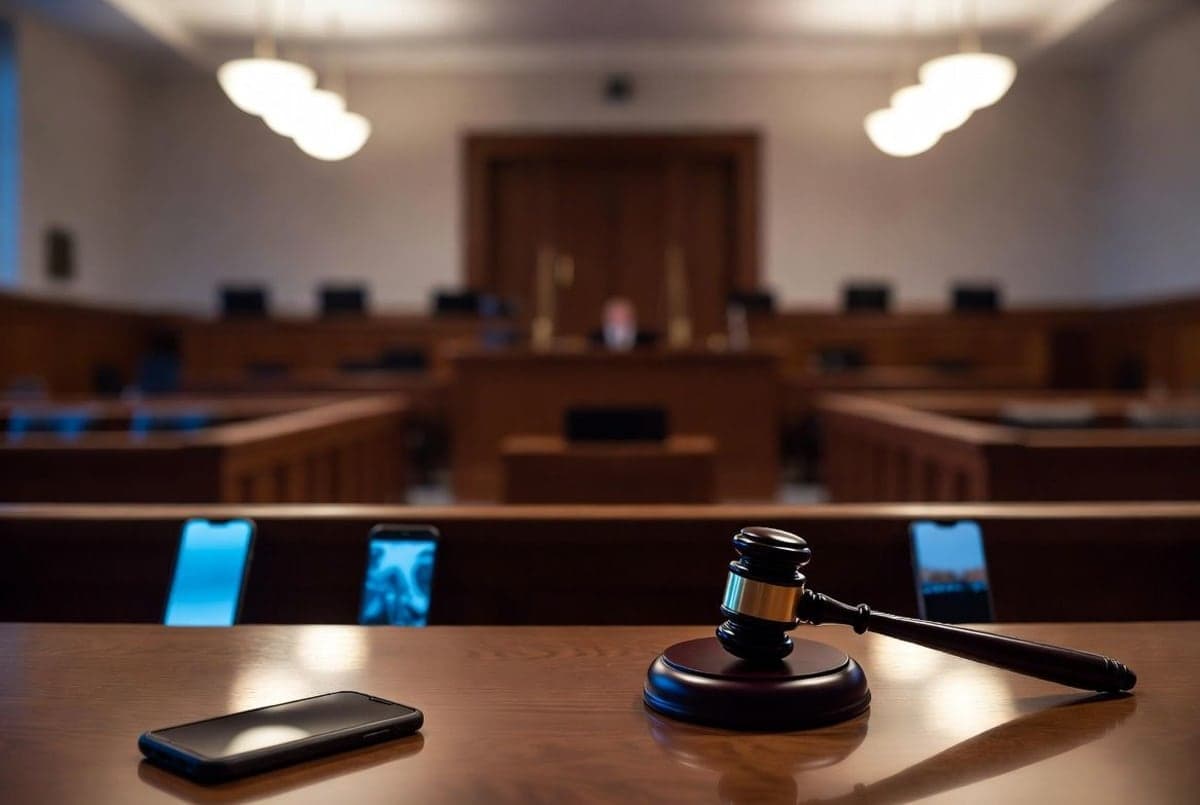
A Los Angeles jury found Meta and YouTube negligent Wednesday, ordering the companies to pay $6 million in total damages to a 20-year-old woman who said the platforms hooked her as a child and wrecked her mental health. The dollar figure is trivial for two companies worth a combined $4 trillion. The legal precedent is not.
What the jury actually decided
The plaintiff, identified in court as K.G.M. or Kaley, testified she started using YouTube at age 6 and Instagram at age 9. She described years of compulsive use that led to body dysmorphia, depression, and suicidal thoughts. According to CNBC's report, the jury answered "yes" to every question on both negligence and failure to warn, with 10 jurors siding with the plaintiff on each count.
The breakdown: $3 million in compensatory damages and $3 million in punitive damages. Meta bears 70% of the liability ($4.2 million total), YouTube the remaining 30% ($1.8 million). The jurors also found both companies acted with "malice, oppression or fraud."
One juror told reporters outside the courtroom that Zuckerberg's testimony, and how he "changed it back and forth," didn't sit well with the panel. Some jurors pushed for a higher amount but were concerned about awarding a single plaintiff too large a lump sum. They wanted the companies to understand their practices were unacceptable, she said.
The $6 million doesn't matter
Meta's market cap hovers around $1.5 trillion. YouTube's parent Alphabet is worth roughly $2 trillion. Six million dollars is what these companies generate in the time it takes to read this article. Possibly less.
But this was a bellwether trial, chosen by the court specifically to set a framework for resolution of connected litigation across California. According to NPR, roughly 2,000 similar lawsuits are pending from parents and school districts arguing that social media platforms should be treated as manufacturers of defective products. The plaintiffs' legal strategy centered on design features (recommendation algorithms, autoplay, notification systems) rather than user-generated content. That distinction matters because it sidesteps Section 230 of the Communications Decency Act, the shield tech companies have relied on for decades to avoid liability for third-party posts.
"The reason why this case is consequential is not the individual case, but the way that it's a bellwether test case that might guide the resolution of other lawsuits," said Sarah Kreps, director of Cornell University's Tech Policy Institute. That framing is more measured than the jubilation from plaintiffs' attorneys, and probably more accurate.
Two verdicts in two days
The LA decision landed one day after a separate New Mexico jury hit Meta with $375 million for violating state consumer protection laws and failing to protect children from sexual predators on Instagram and Facebook. That trial, brought by New Mexico Attorney General Raúl Torrez, revealed internal Meta messages discussing how Zuckerberg's push to encrypt Facebook Messenger by default would compromise the company's ability to report child sexual abuse material to law enforcement.
Torrez isn't done. A second phase of the New Mexico trial begins May 4, where a judge will consider whether Meta created a public nuisance and whether to order platform changes: real age verification, algorithm modifications, removal of predators, and an independent monitor.
The comparison to Big Tobacco keeps coming up, and it's tempting but imprecise. The tobacco master settlement in 1998 cost the industry $206 billion over 25 years. Social media litigation is nowhere near that scale yet, though Clay Calvert of the American Enterprise Institute told CBS News the verdict "could open the floodgates of litigation."
So what happens next?
Both companies plan to appeal. Meta's statement was corporate boilerplate about teen mental health being "profoundly complex." Google's response was more interesting: a spokesperson insisted YouTube is "a responsibly built streaming platform, not a social media site," which is the kind of semantic argument that might play differently with an appellate judge than it did with this jury.
The bigger test comes this summer, when a federal trial begins in the Northern District of California consolidating claims from school districts and parents nationwide against Meta, YouTube, TikTok, and Snap. TikTok and Snap already settled with the plaintiff in the LA case before trial started in late January, though both remain defendants in the federal proceedings.
James Steyer, CEO of Common Sense Media, called the verdict proof that tech companies "buried their own research showing children were being harmed." That's advocacy language, but the jury apparently agreed. The seven-week trial included testimony from Zuckerberg, Instagram head Adam Mosseri (who had previously called the concept of social media addiction "problematic"), and Kaley herself. YouTube CEO Neal Mohan was not called to testify.
A federal trial date this summer, the New Mexico phase two hearing on May 4, and appeals from both companies mean this story has a long way to run. But the legal question has shifted from whether platforms can be held liable for design choices to how much they'll pay when they are.