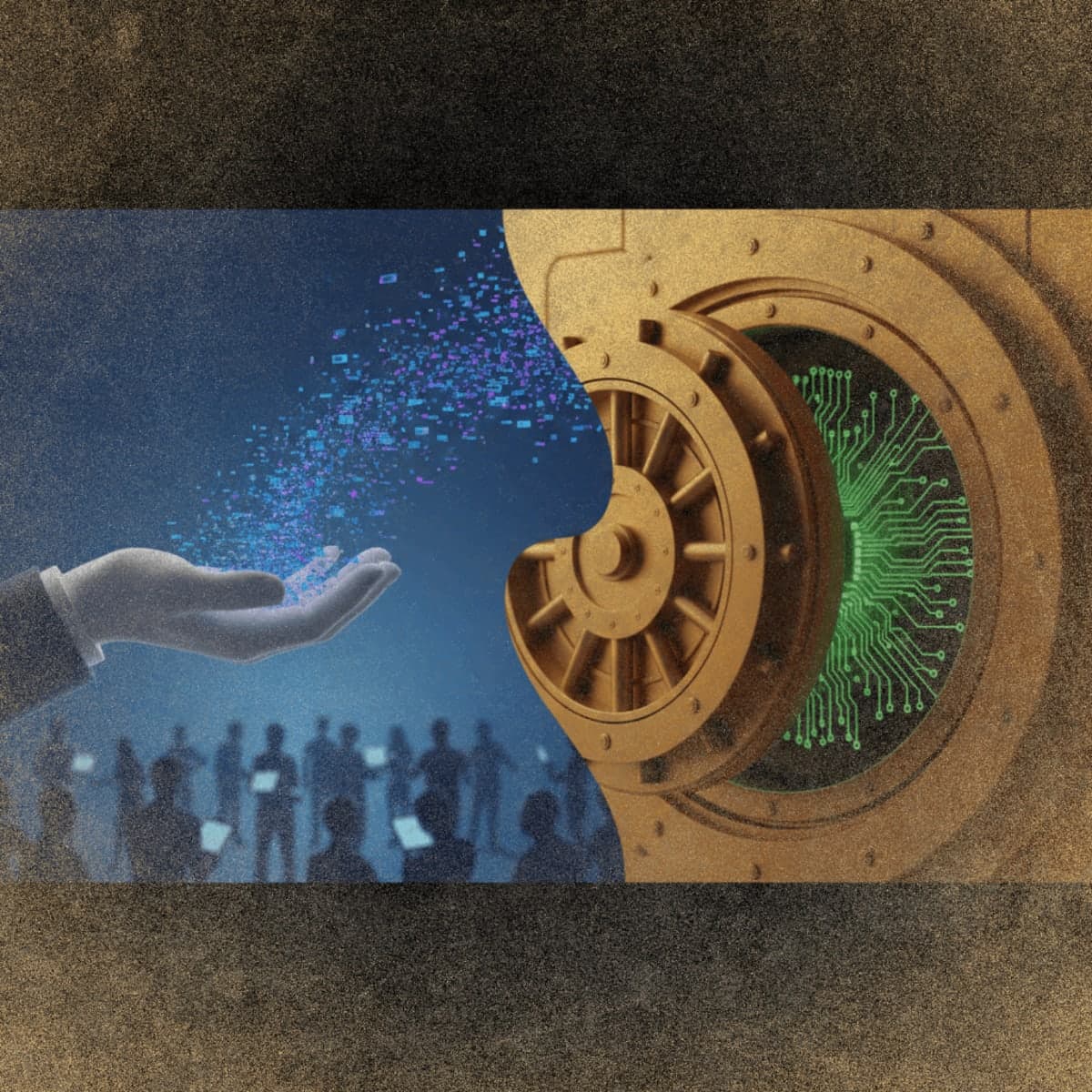
Mark Zuckerberg is quietly building a closed AI model that customers would pay to use, Bloomberg and CNBC report. Codenamed "Avocado," the model would represent Meta's biggest departure yet from the open-source strategy the company championed for years.
The shift follows Llama 4's troubled rollout. Meta's flagship "Behemoth" model, originally slated for April, was delayed multiple times after engineers struggled to show meaningful improvements over existing models. The Wall Street Journal reported that senior executives blamed the Llama team for the lack of progress, and Meta has since made significant leadership changes. In October, the company laid off roughly 600 employees from its Fundamental AI Research (FAIR) unit.
Avocado is being developed inside "TBD Lab," a small team within Meta Superintelligence Labs led by 28-year-old Chief AI Officer Alexandr Wang. Meta hired Wang in June as part of a $14.3 billion deal for a 49% stake in his company, Scale AI. According to Bloomberg, the TBD team is training Avocado using outputs from rival models including Google's Gemma, OpenAI's gpt-oss, and Alibaba's Qwen.
Zuckerberg has hinted at this pivot before. In July, he told investors Meta would pursue both open and closed models, adding that the company needed to "be rigorous about mitigating these risks." The concern appears partly driven by DeepSeek, the Chinese lab whose R1 model successfully replicated Llama's architecture.
Meta has not confirmed whether Avocado will launch as proprietary. A release is expected in spring 2026, with restricted access requiring payment.
The Bottom Line: Meta is spending $70-72 billion on AI infrastructure this year while hedging its open-source bets with a model it can actually monetize.
QUICK FACTS
- Avocado expected spring 2026 (delayed from late 2025)
- $14.3 billion deal brought Scale AI's Alexandr Wang to Meta in June
- Meta's 2025 capital expenditure: $70-72 billion
- ~600 FAIR employees laid off in October 2025
- Llama 4 Behemoth (2 trillion parameters) remains unreleased