Two of the more visible names in AI coding tools, Boris Cherny of Anthropic and Peter Steinberger of OpenClaw, have spent recent days telling developers more or less the same thing: stop hand-prompting coding agents, start building loops that prompt them for you. The pitch arrives bundled with a feature Anthropic shipped on May 28 that makes the idea concrete.
What they actually said
Cherny, who built Claude Code, put it plainly in a recent talk. He says he no longer prompts Claude himself. Instead he runs loops that prompt Claude and decide what to do next, and his job, as he frames it, is writing those loops. He expects the shift to define the rest of the year.
The other half of the chorus is Steinberger, the Austrian engineer behind OpenClaw who joined OpenAI in February. His tweet, the one doing the rounds, says you shouldn't write prompts for coding agents anymore and should instead design a loop mechanism that prompts the agents for you. Same idea, fewer words. One Chinese tech outlet clocked the post at 1.5 million views, which is the kind of number you take on faith because nobody can check it.
So what is a loop, really
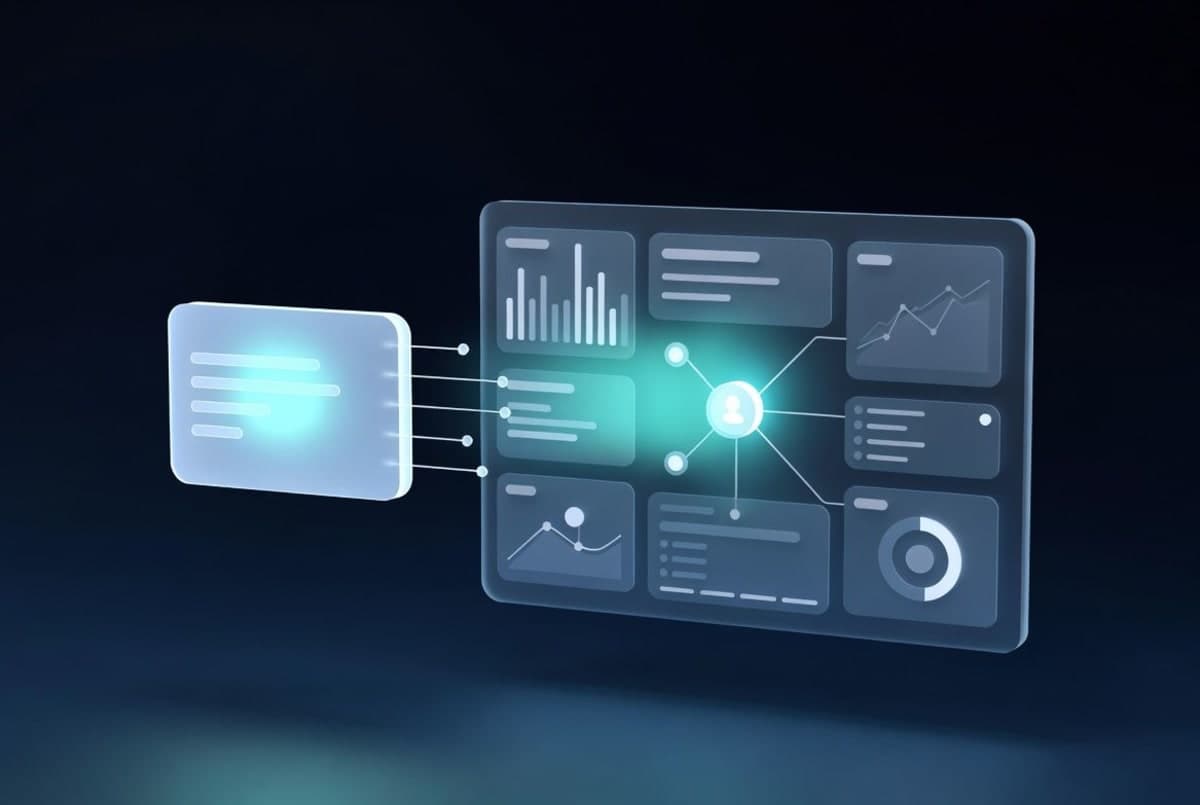
Strip away the framing and a loop is a small script that does what you used to do by hand. It starts with a goal, asks the model for the next change, runs the tests, and if they fail it feeds the error back and asks for a fix. Repeat until the tests pass or you hit a ceiling. You write the goal, the evaluation rules, and the stopping logic. The loop grinds.
Cherny's own setup is more aggressive than that sounds. He reportedly runs many sessions in parallel, sometimes overnight, and leans on Claude Code features like /loops run on a cron schedule and server-side Routines. Anthropic detailed the broader machinery when it announced Claude Code's dynamic workflows on its official blog alongside Opus 4.8.
The receipt everyone points to
The example doing the heavy lifting is Bun. Jarred Sumner, who maintains the JavaScript runtime, used dynamic workflows to port Bun from Zig to Rust: roughly 750,000 lines of generated code, 99.8% of the existing test suite still green, eleven days from first commit to merge. Those are Anthropic's numbers, and worth reading as such. One detail buried in the coverage matters more than the line count: the ported code has not actually shipped to production. A migration that passes 99.8% of tests is impressive and also not the same thing as a runtime people depend on.
The part nobody on stage dwells on
Loops burn tokens. Every iteration is a full prompt execution, so a loop firing once a minute for eight hours is something like 480 API calls, and that math compounds fast if you're running sessions in parallel. When a developer pointed out to Steinberger that a $20 plan can't sustain this, his answer was, more or less, isn't your time worth more. Easy to say when, as the same writeup noted, the companies behind both men hand them effectively unlimited tokens.
That's the friction the loop gospel skates past. Cherny and Steinberger are describing a workflow that works beautifully when compute is free to you. For everyone else it's a budgeting question dressed up as a paradigm.
Dynamic workflows are in research preview now across the Claude Code CLI, desktop, and VS Code extension, on by default for Max and Team plans, opt-in for Enterprise admins. Whether the loop becomes the default way people code or stays a power-user habit depends largely on what a month of running them does to your bill.