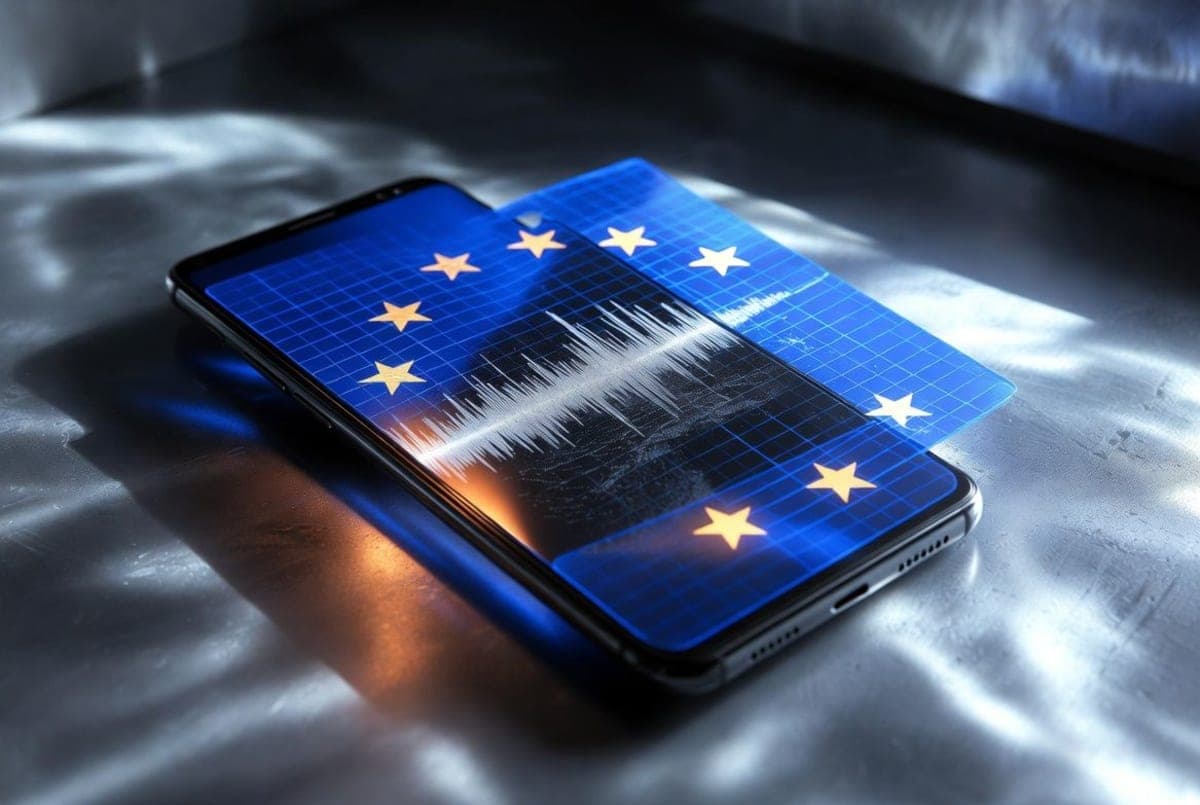
Apple will not ship its rebuilt Siri AI to iPhone and iPad users in the European Union when iOS 27 and iPadOS 27 launch later this year, the company said in a statement Monday. On Tuesday the European Commission fired back, with spokesperson Thomas Regnier telling reporters in Brussels that the decision belongs to Apple alone and that nothing in the Digital Markets Act stops Apple from launching new products in Europe.
So we have two versions of the same event. Apple says it tried and the regulators stonewalled. Brussels says Apple asked for a carve-out, got refused, and is now spinning the outcome.
What each side is actually claiming
Apple's framing lands in its EU statement, where software chief Craig Federighi said the company is "deeply disappointed" EU users won't get Siri AI on iPhone or iPad this year. He pinned it on the regulators' "refusal to engage constructively on solutions that preserve privacy and security." Standard executive boilerplate, the kind you write when you've already decided who the villain is.
The Commission's account is blunter. Apple requested an exemption from interoperability obligations, that request was rejected, and Regnier said Apple was "simply unable to develop interoperability solutions that meet essential EU privacy and security standards." His sharper line, per RTE: the choice not to launch is Apple's and Apple's only.
The part that doesn't quite add up
Here's where the story gets slippery. The DMA's interoperability rule, under Article 6, is about forcing gatekeepers to open their platforms to rival services. It's a competition mechanism. Yet both sides keep arguing about privacy and security, which is a different axis entirely. Apple says opening Siri AI to any third-party assistant would mean handing over near-unlimited device access. The Commission says Apple's privacy-and-security solutions weren't good enough.
You can see the tension. Apple wants to control which assistants touch your messages, photos, and files. The DMA wants Apple to stop using "trust us, it's for safety" as a moat. Both things can be true at once, which is exactly why this fight is hard to adjudicate from a press release.
Apple says it built something called Trusted System Agent, an intermediary meant to let other assistants reach the same capabilities as Siri AI more safely, and proposed launching Siri AI in the EU while phasing that system in over 18 months. The Commission said no to all of it. Whether Trusted System Agent was a genuine fix or a delay tactic dressed as one, neither side is offering enough detail to judge.
And Samsung and Google?
The obvious question Apple's statement skips: how are Android makers handling the same rules? Google, Samsung, and others ship assistants on devices that also fall under DMA gatekeeper obligations. Apple's filing treats deep assistant-to-device access as a uniquely Apple problem requiring a uniquely Apple exception. The reporting so far doesn't show how rivals squared the same circle, and that gap is worth watching, because it's the difference between "the rules are impossible" and "Apple didn't want to."
One detail cuts against the doomsday framing. EU users will still get Siri AI on macOS 27 and visionOS 27, since those platforms aren't bound by the same gatekeeper rules as iPhone and iPad. If the privacy risk were truly intractable, you'd expect Apple to hold the feature everywhere, not just on the two platforms where regulators have leverage.
There is no timeline for an iPhone or iPad rollout in the EU. EU-based developers also can't test the new Siri AI features in their apps. Apple's next move is whatever it files with the Commission next, and so far neither party seems in a hurry to blink.