Apple is developing an AirTag-sized AI wearable with cameras, microphones, and a speaker, according to a report from The Information published January 21st. Internal production targets: 20 million units. Target launch: 2027.
Twenty million. For a device category that sold fewer than 10,000 units before HP bought the corpse for $116 million.
The specs, such as they are
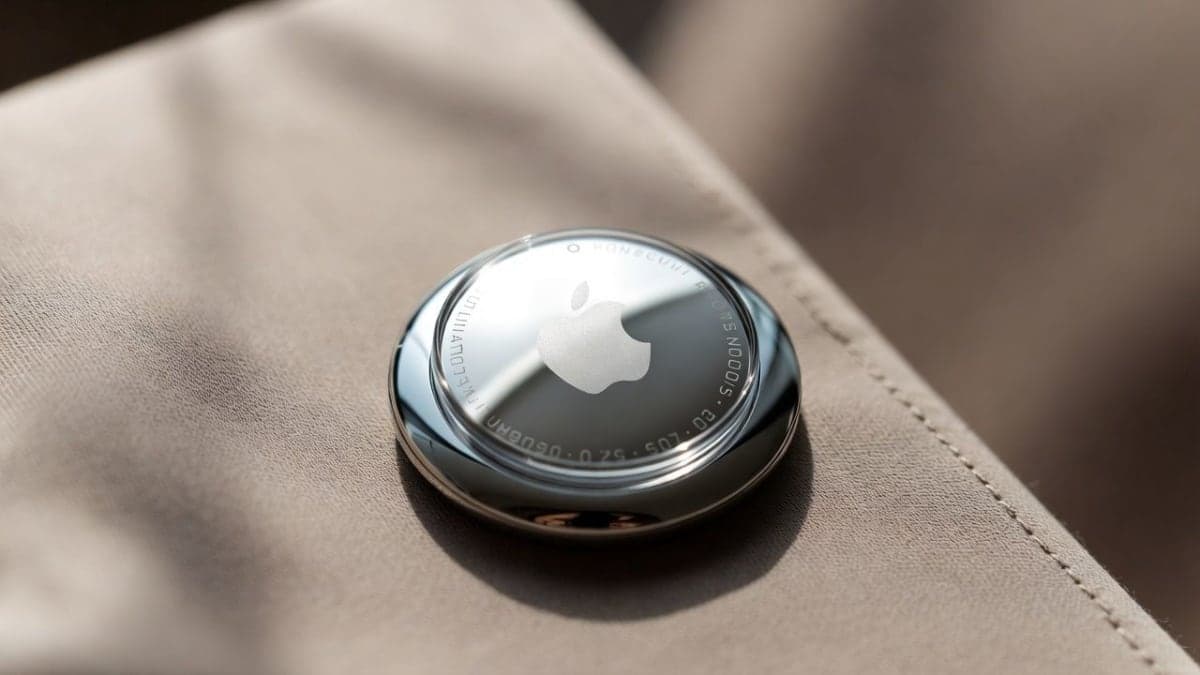
The pin features a thin, flat, circular disc shape with an aluminum and glass shell, two cameras (standard lens and wide-angle), three microphones, a speaker, a physical button along one edge, and a magnetic inductive charging interface similar to the Apple Watch. So basically every sensor you could cram into something AirTag-sized, but thicker.
No attachment mechanism yet. It's unclear if Apple plans to sell the pin on its own or bundle it with future smart glasses. The standalone button and microphones suggest it could work independently, but connecting it to an iPhone seems more likely.
The timing tells you everything
This lands right as Apple announced a partnership with Google to power the next Siri. The multiyear partnership will lean on Google's Gemini and cloud technology for future Apple foundational models. The deal is reportedly worth around $1 billion annually.
The new Siri chatbot, internally called Campos, is coming with iOS 27 later this year. The chatbot will be embedded deeply into the iPhone, iPad and Mac operating systems and replace the current Siri interface. Without that Siri upgrade, a wearable AI pin is just a very expensive microphone.
And then there's OpenAI. OpenAI is "on track" to unveil its first device in the second half of 2026, built with Jony Ive's team after their $6.5 billion acquisition. The internal codename is "Gumdrop." They're aiming for something screenless, possibly audio-focused, designed to feel "peaceful" and "calm."
So Apple is racing to catch up with AI software while also chasing hardware that nobody has proven actually works.
The Humane problem
Here's what happened to the last company that tried this. Humane launched its AI Pin in April 2024, priced at $699 plus a $24 monthly subscription. By August, returns exceeded sales. The company sold roughly 10,000 units total, saw about $1 million in returns, and eventually got acquired by HP for $116 million in February 2025.
Marques Brownlee, maybe the most influential tech voice on the planet, titled his YouTube review "The Worst Product I've Ever Reviewed." The AI assistant couldn't set timers correctly. The battery life was terrible. And it cost $700 for something that worked worse than your phone.
More Ai Pins were returned than sold between May and August.
Apple walked through that crash site and apparently concluded the pilot was the problem, not the aircraft.
Why Apple thinks it's different
The bet makes sense if you squint. Apple has things Humane didn't: actual AI infrastructure (now), an existing hardware ecosystem, and the ability to manufacture at scale without melting down.
The pin could pull context from your iPhone calendar, reference your iCloud email, and deliver answers through your AirPods. That kind of integration was impossible for a startup operating independently of any ecosystem.
OpenAI is building hardware without that infrastructure. Whatever Altman and Ive create will need to work with iPhones and Android devices, crossing platform boundaries rather than deepening them. Apple can build something that only makes sense if you already own Apple products. That's always been the strategy.
But maybe the category failed because people don't want a camera pinned to their chest. Maybe always-on ambient capture just creeps people out. No amount of polish fixes that.
The privacy question Apple hasn't answered
Tim Cook has repeatedly emphasized user privacy as a competitive advantage. Apple's existing products use microphones that activate when users say "Hey Siri," but a dedicated listening wearable is different.
Three microphones pointing outward, capturing conversations. Two cameras capturing your surroundings. The company that's built a brand around privacy is building an always-on surveillance device.
The development is early enough that it could still be canceled. But internal estimates of 20 million units suggest Apple isn't treating this as an experiment.
What happens next
Apple's AI pin depends entirely on whether the Siri chatbot actually works. That chatbot depends on Google's Gemini integration, which Apple announced earlier this month. iOS 27 is expected to debut at WWDC 2026 in June, with public rollout in September.
OpenAI's device is expected in the second half of 2026.
Apple's pin wouldn't arrive until 2027, putting it roughly a year behind OpenAI and years behind the Humane disaster everyone's still processing.
The last company that bet 20 million units on AI hardware was Humane, aiming for 100,000 and barely shipping 10,000. Apple's betting 200 times that figure on the same form factor.