Alphabet announced Monday it will acquire Intersect Power, a clean energy and data center infrastructure company, for $4.75 billion in cash plus the assumption of debt. The deal, expected to close in the first half of 2026, gives Google direct control over multiple gigawatts of energy projects specifically designed to sit next to its AI data centers.
The acquisition comes almost exactly a year after Google led an $800 million funding round in Intersect alongside TPG Rise Climate. That December 2024 investment came with a $20 billion infrastructure target by 2030. Now Google's buying the whole thing, though not quite the whole thing.
What Google actually gets
Here's where this deal gets interesting. Alphabet isn't acquiring all of Intersect. The company's existing operating assets in Texas and California stay with the original investors (TPG Rise Climate, Climate Adaptive Infrastructure, and Greenbelt Capital Partners). What Google gets are the development projects, the construction pipeline, and the team building them.
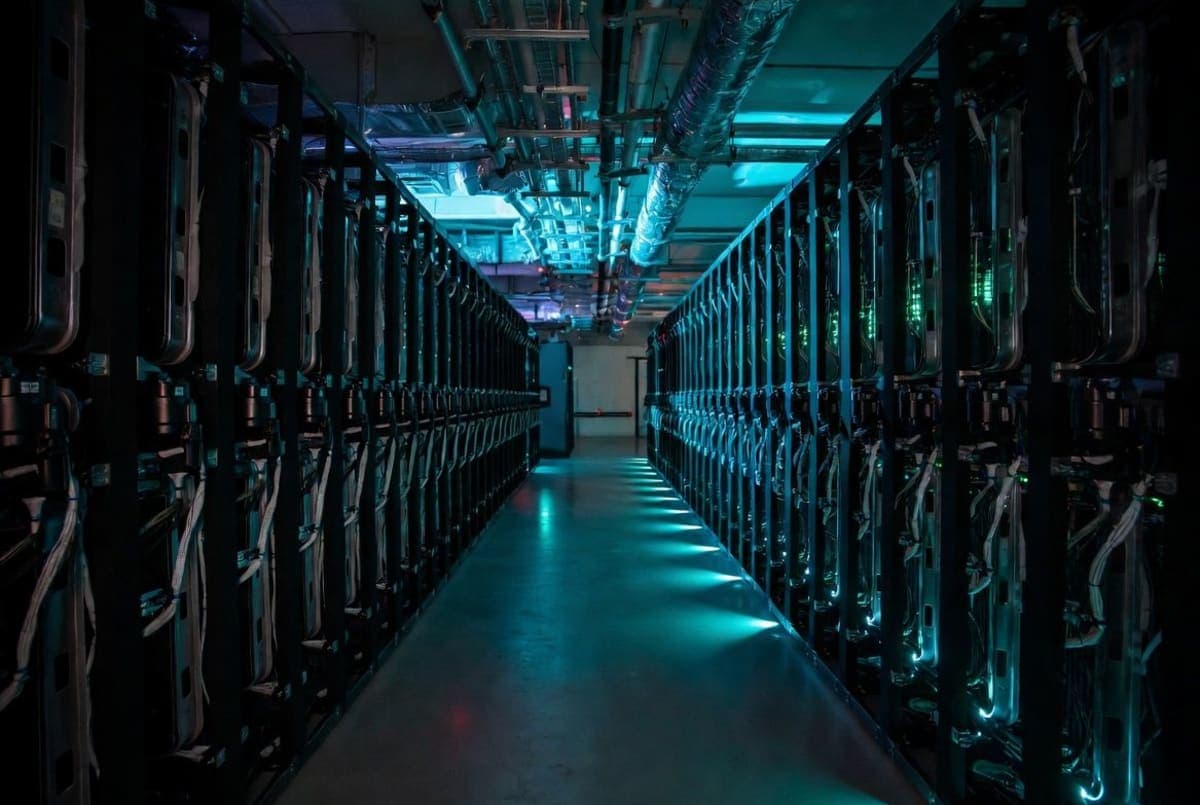
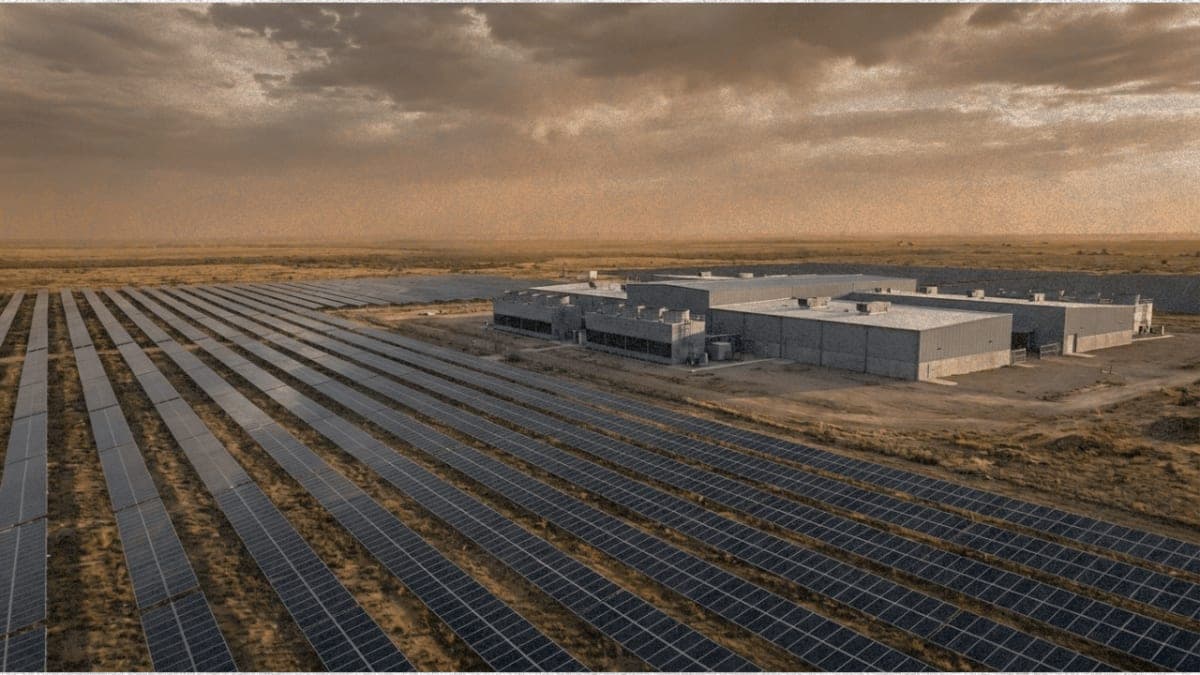
That includes the first co-located project already under construction in Haskell County, Texas, which pairs a Google data center directly with solar generation and battery storage. The approach, which Intersect calls "power-first" development, is essentially a bet that building the power plant and the data center together avoids years of waiting for grid connections.
Intersect says it has a roughly $15 billion portfolio of assets either operating or under construction. By 2028, the company projects about 10.8 gigawatts of power will be online or in development, which sounds impressive until you compare it to OpenAI's infrastructure ambitions.
The competitive pressure Google won't admit
The announcement doesn't mention OpenAI or Microsoft by name, but the timing tells its own story. OpenAI has committed to roughly $1.4 trillion in infrastructure spending over the next eight years, including the $500 billion Stargate project announced at the White House in January. Stargate alone plans to build 10 gigawatts of AI computing capacity in the U.S.
A CNBC report on the Alphabet deal noted that OpenAI "has made more than $1.4 trillion of infrastructure commitments to build out the data centers it needs to meet growing demand for its technology." The figure appears inflated (it likely includes cloud contracts with Oracle, AWS, and others stretching over a decade), but the scale of the gap is real. Google's $4.75 billion looks modest by comparison.
Sundar Pichai framed the deal in predictably corporate language: "Intersect will help us expand capacity, operate more nimbly in building new power generation in lockstep with new data center load." Translation: Google's tired of waiting in line for electricity.
The grid problem nobody can solve
U.S. power grids weren't built for this. AI data centers are essentially industrial-scale electricity consumers appearing in places where the infrastructure to serve them doesn't exist. Utilities need years to approve new connections. Building transmission lines takes even longer. So Google, like Microsoft and Amazon before it, is going vertical.
TechCrunch noted the acquisition "will help Alphabet expand its power-generation capacity alongside new data centers without having to rely on local utilities that are struggling to keep up with the demand of AI companies."
Intersect's model co-locates generation directly with load. The Haskell County project, expected operational in 2026 with full completion by 2027, bypasses the traditional grid approval process by generating power right where it's consumed. Intersect will continue operating as a separate brand under CEO Sheldon Kimber, who founded the company in 2016 after building Recurrent Energy into a major solar developer.
What this says about Google's climate math
Google reported in its 2024 environmental report that greenhouse-gas emissions climbed about 48% over five years as data center demand surged. The company still talks about net-zero goals, but those goals are getting harder to hit when every new AI model requires more compute, and more compute requires more power.
Intersect builds solar parks and battery storage, which helps the sustainability narrative. But the company also develops natural gas generation for backup and reliability. The clean energy story is messier than the press release suggests.
The deal excludes about 10.8 gigawatts of Intersect's existing and planned capacity, which stays independent. Google gets the future projects but not the current revenue stream, a structure that suggests Alphabet is paying a premium for development capability rather than operating assets.
What happens next
The transaction requires standard regulatory approvals and is expected to close in the first half of 2026. Intersect's existing customers with assets not part of the deal will see continuity under the independent company backed by TPG and partners.
Google's $40 billion Texas investment through 2027, announced earlier, includes data center campuses in Haskell and Armstrong counties. The Intersect acquisition gives Google more control over the power that feeds them.