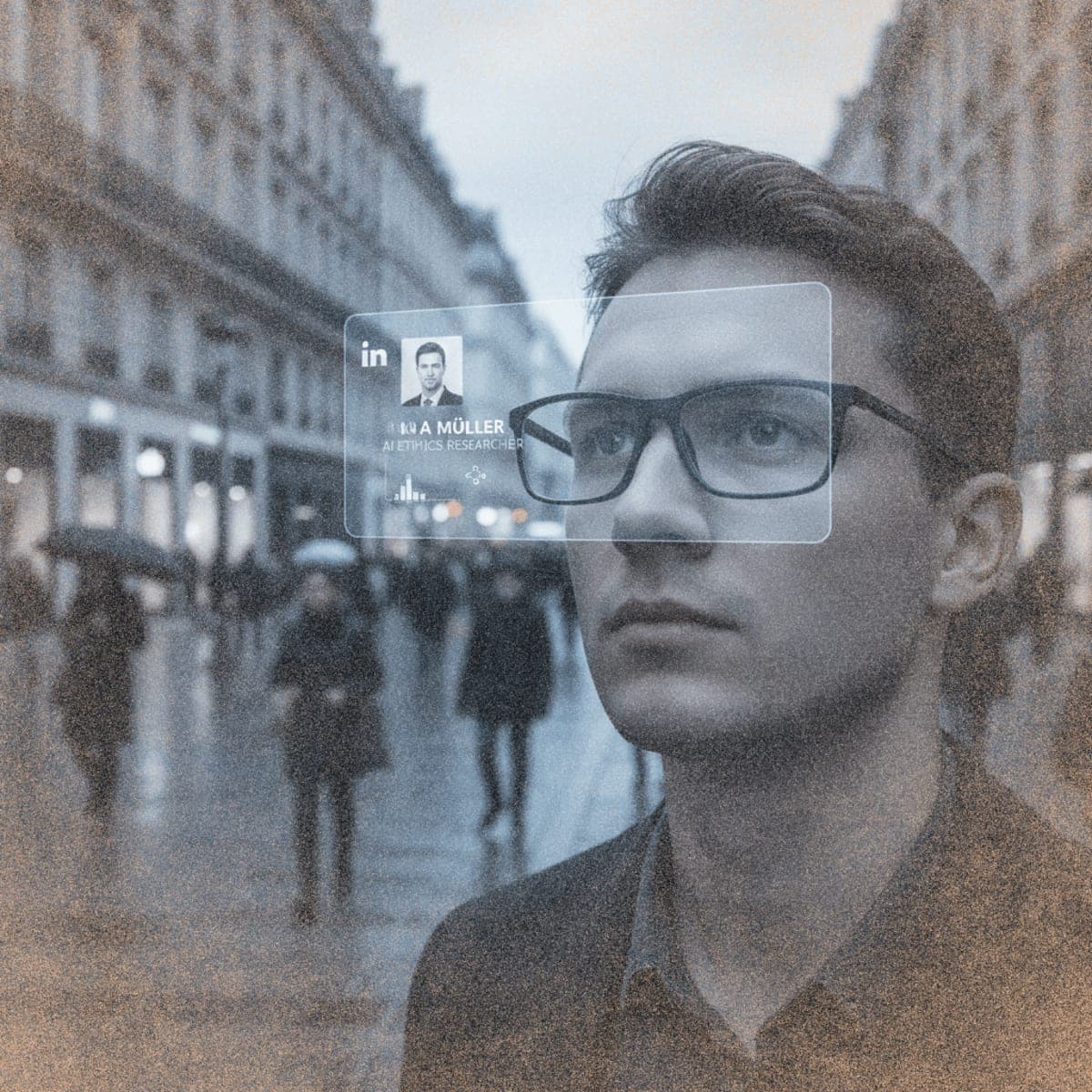
A viral demonstration by Dutch tech journalist Alexander Klöpping has reignited the privacy debate around facial recognition. For a segment on Dutch TV show Eva, Klöpping wore smart glasses through Amsterdam's Zuidas district and identified strangers within seconds, retrieving their names, employers, and LinkedIn profiles just by looking at them.
The setup required no access to government databases or police systems. Klöpping combined off-the-shelf AI with publicly available data sources. The interface resembled PimEyes, a commercial facial recognition search engine. Passersby confirmed their identities on camera, visibly surprised by how much the glasses knew about them.
"I went to Amsterdam's financial district to scare the living daylights out of people," Klöpping wrote on X. He noted the experiment was inspired by two Harvard students who ran similar demonstrations earlier. The video, first posted in November 2024, has resurged this month as smart glasses from Meta and other companies gain traction.
Privacy experts warn this technology is difficult to regulate once deployed. The glasses turn any wearer into a potential surveillance agent, and European GDPR rules around biometric data collection without consent remain hard to enforce on consumer hardware.
The Bottom Line: The demo used no proprietary tech or special access, just a camera, public databases, and AI models anyone can buy.
QUICK FACTS
- Journalist: Alexander Klöpping, Dutch tech reporter
- Location: Zuidas, Amsterdam's financial district
- TV program: Eva (Dutch television)
- Data sources: Public records, LinkedIn, no government access
- Recognition speed: Seconds per face
- Original post: November 20, 2024 on X